After a night in the desert sands on the edge of the Empty Quarter, we headed for Nizwa, one of the oldest cities in Oman. After a morning drive, we had a picnic lunch at a falaj, part of the ancient irrigation system of Oman, then kept going…


Soon, we arrived at Jabreen Castle, considered one of the finest and most picturesque in the country. Built in 1675, this cleverly designed residence was home to Imam Bil-Arab Bin Sultan. We had an exceptionally good tour guide who explained all the interesting, usually defensive, features of the castle…


More of Jabreen Castle. Note the eyes in the ceiling, and imagine that the date palm orchards represent many generations of those venerable trees…


A bit more of Jabreen Castle…


Next, we drove to Nizwa and stayed in the old part of the city, surrounded by souqs and mud brick ruins that are being gradually renovated. While we weren’t the only tourists, it seemed many Omanis were enjoying their historic city…




Most of our group had dinner together atop one of the old buildings and enjoyed the light show projected on the nearby mountains – this clip in time lapse…
The next morning, we went out to tour the old town and explore the souqs. Note the map of Oman in this batch, and the fact that there are two Omani exclaves on the Musandam Peninsula that sticks into the Strait of Hormuz. It is significant that Oman’s Navy, along with Iran, protects access to the Persian Gulf…




Before doing some shopping in the souqs, most of us went to Nizwa Fort, built in the 1650s by the second Ya’rubi; Imam Sultan Bin Saif Al Ya’rubi.
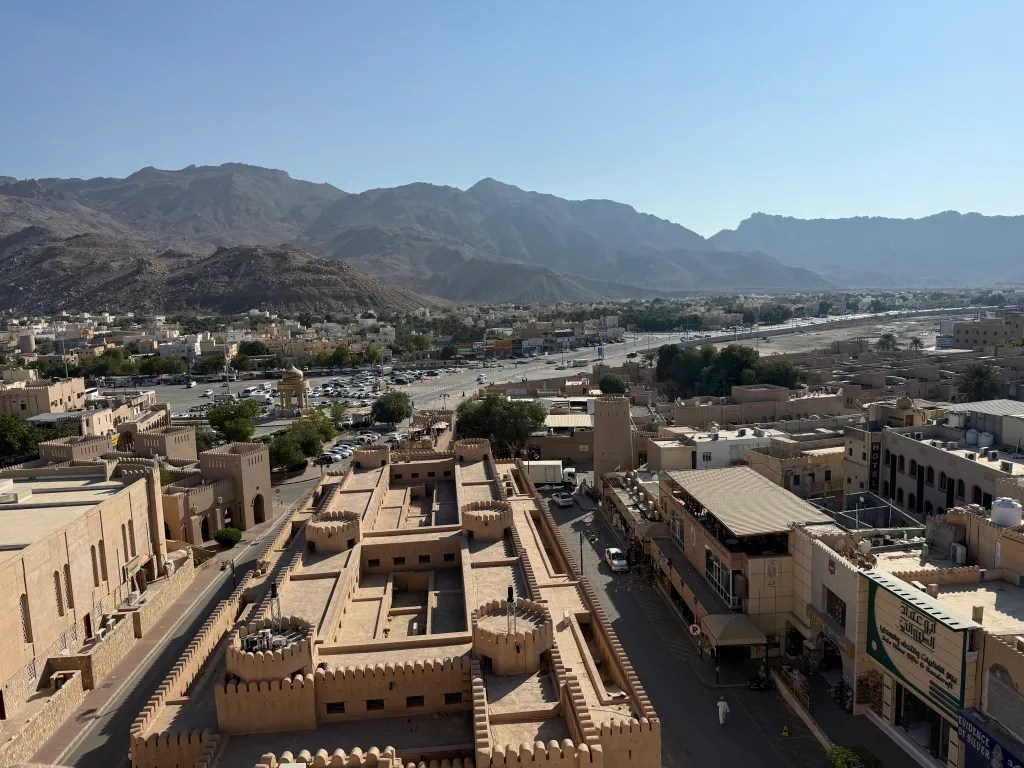


More of Nizwa Fort…



The gardens adjacent to Nizwa Fort…


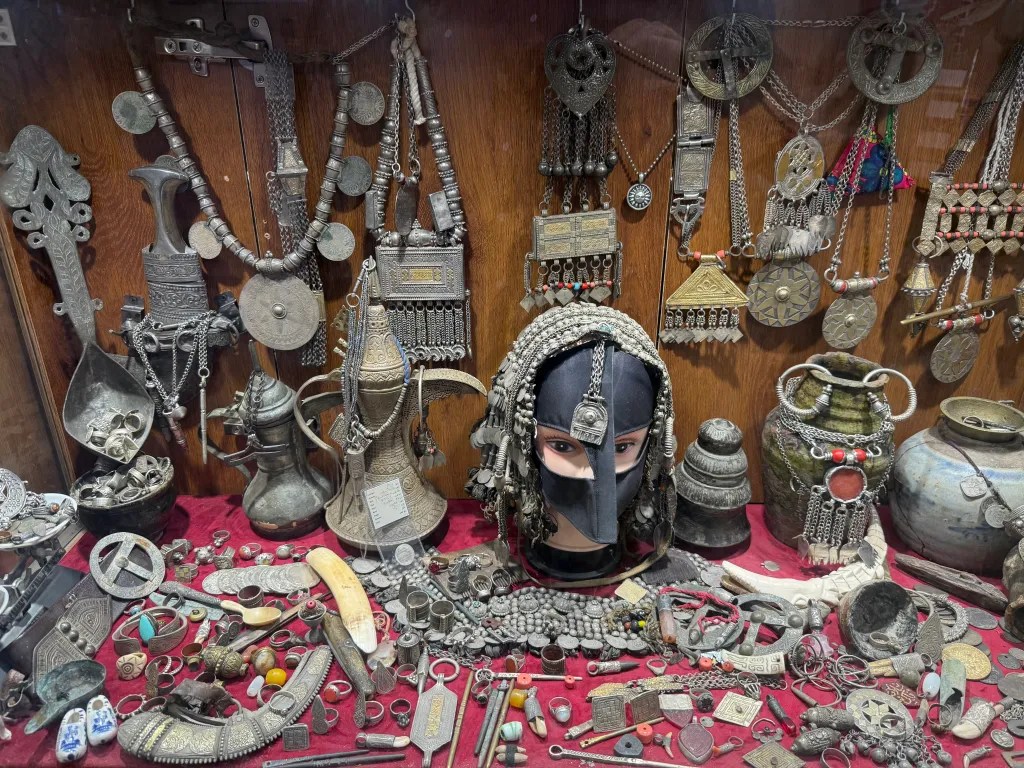
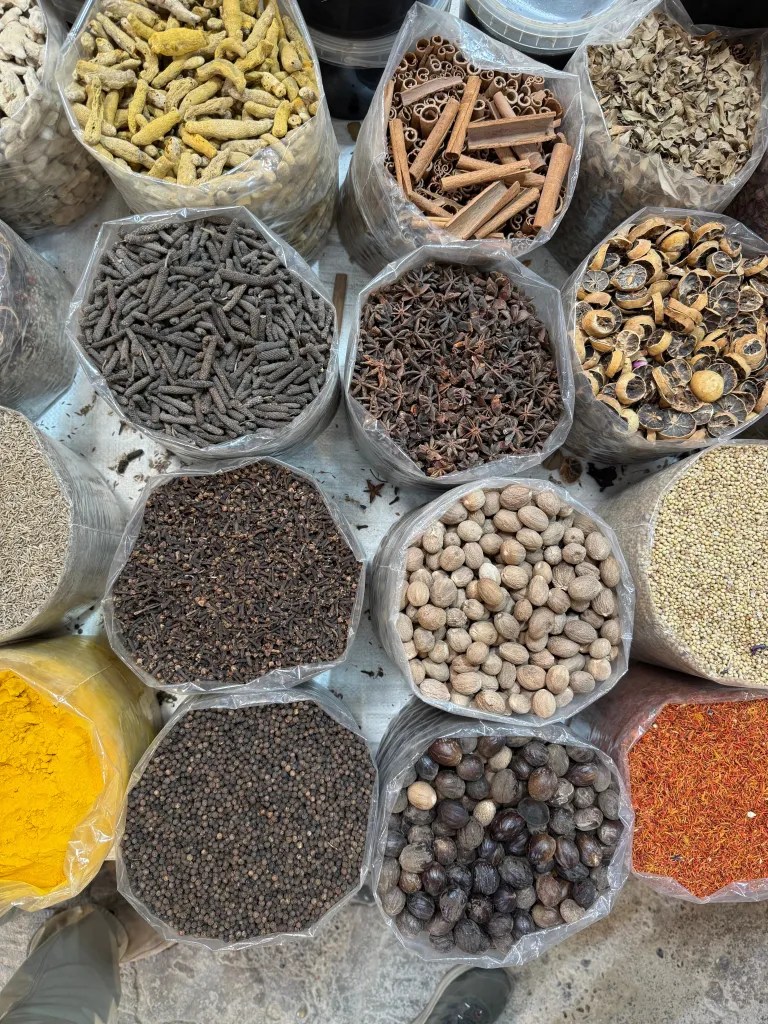
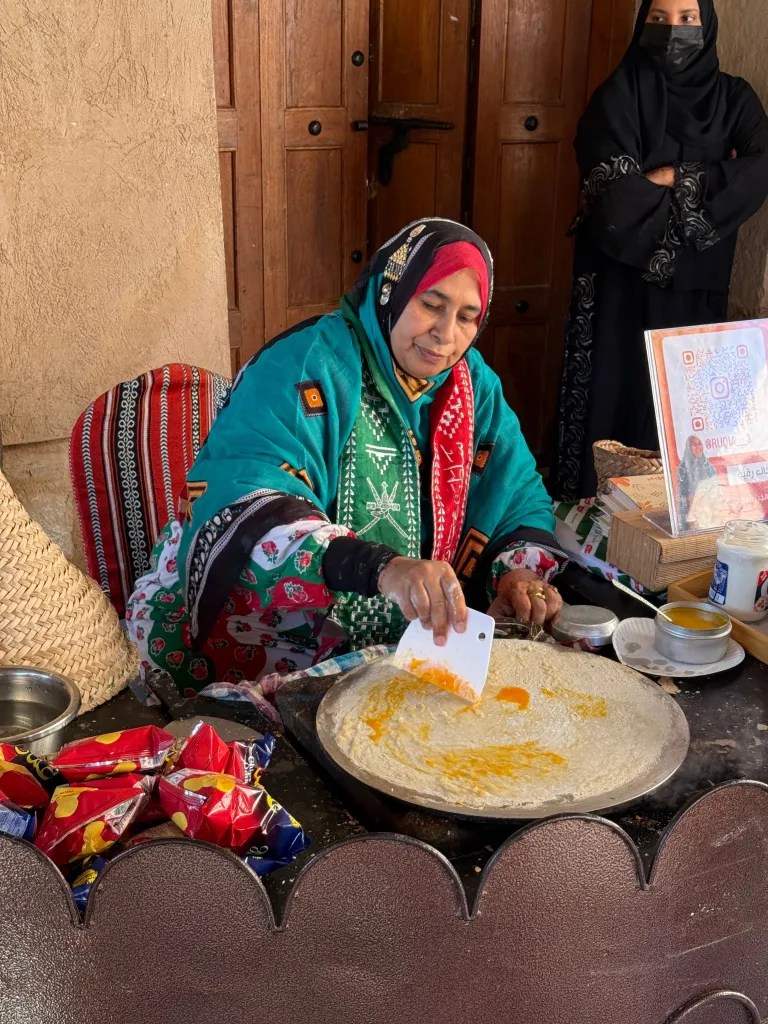
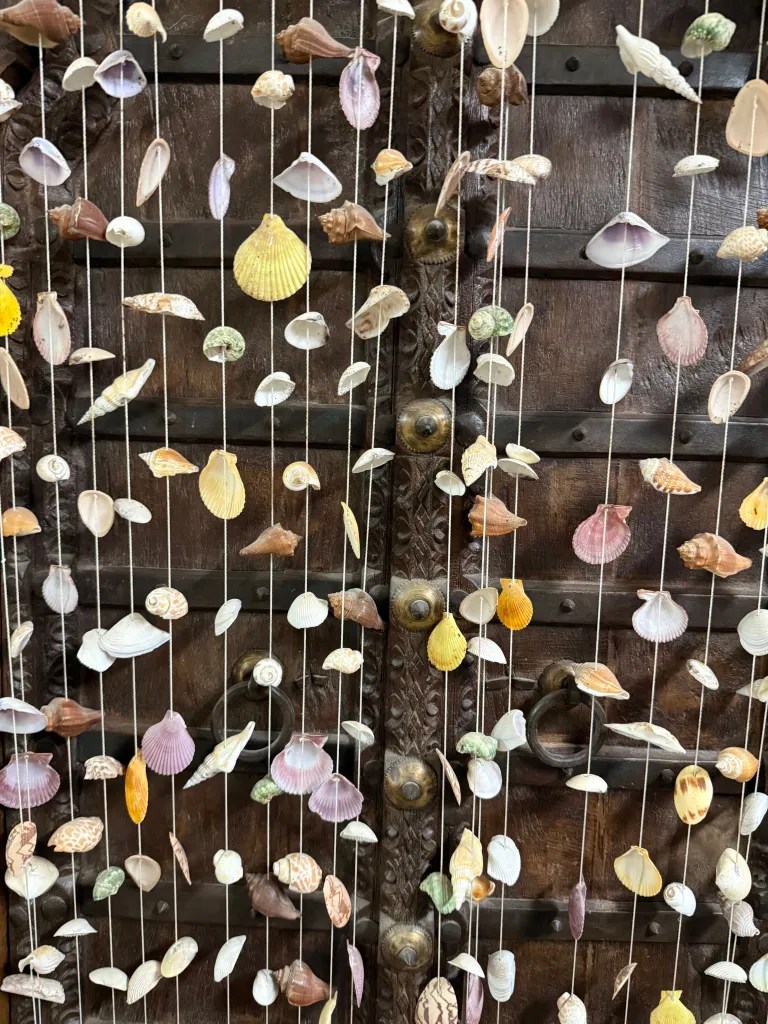
In addition to the variety, one wonderful aspect of the Nizwa souqs is the low pressure sales. The vendors are present, but not pushy or insistent, as elsewhere. Here’s some of the stuff I didn’t buy…



This last shot is with Said and our drivers (of our Toyota Land Cruiser armada) in the lobby of our Nizwa hotel, right before we hit the road again…
