Khor Virap to Lake Sevan

After two nights in Yerevan, we drove an hour to get to Khor Virap, a monastery close to the Turkish border with a view of Mount Ararat.

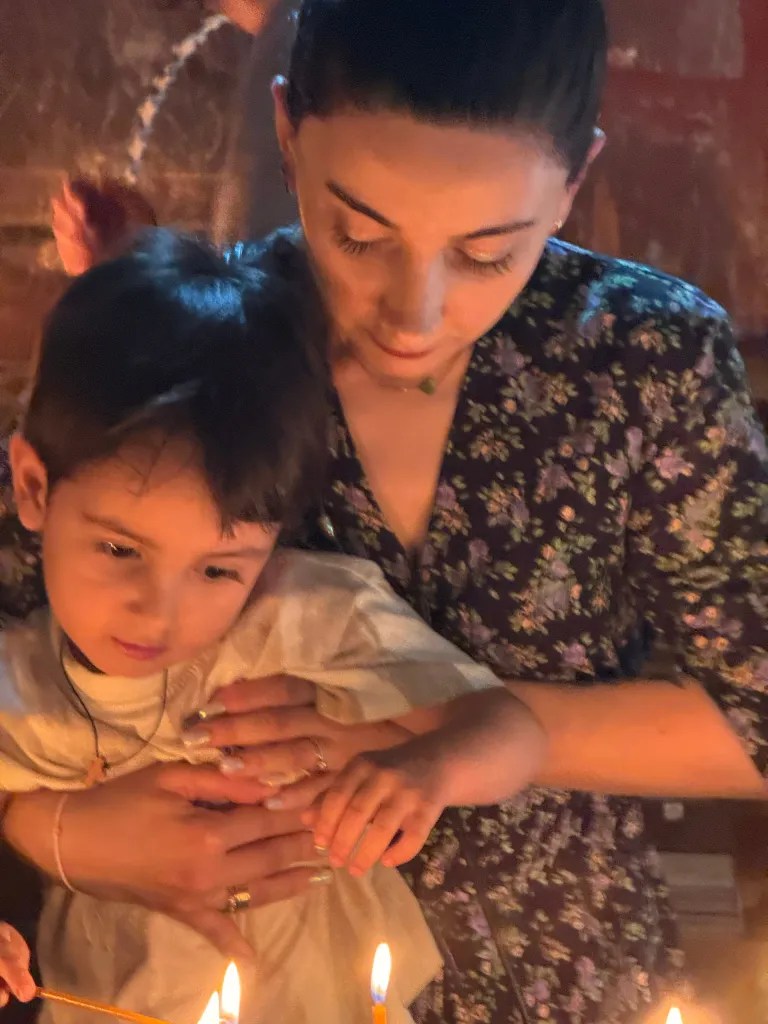
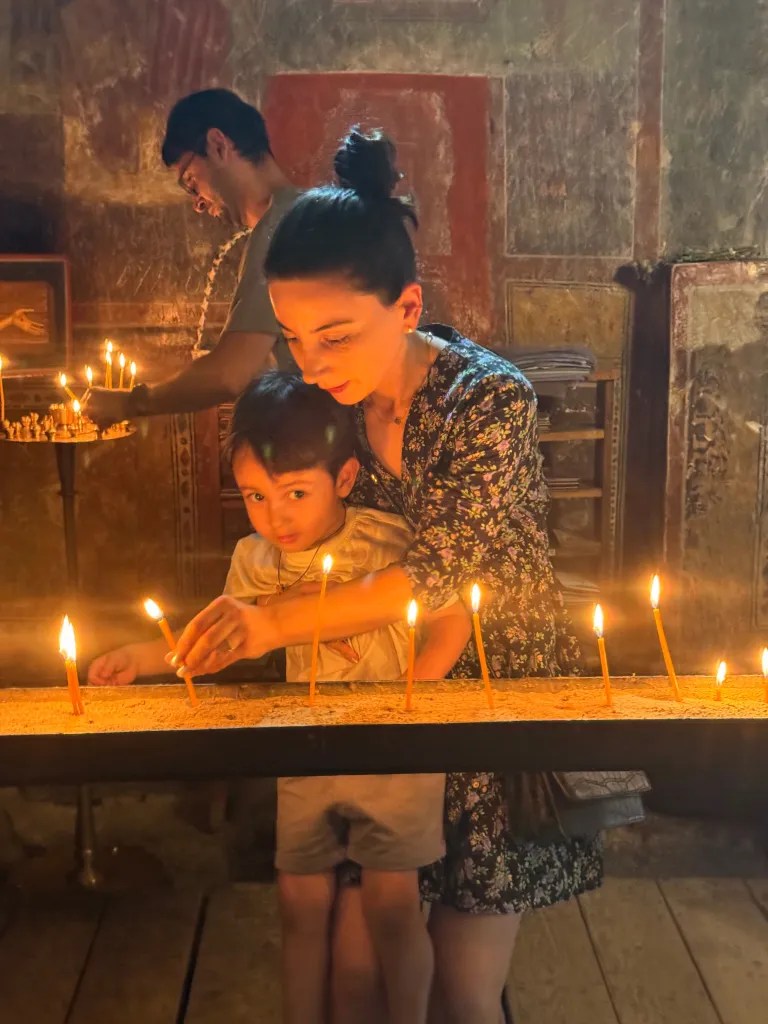
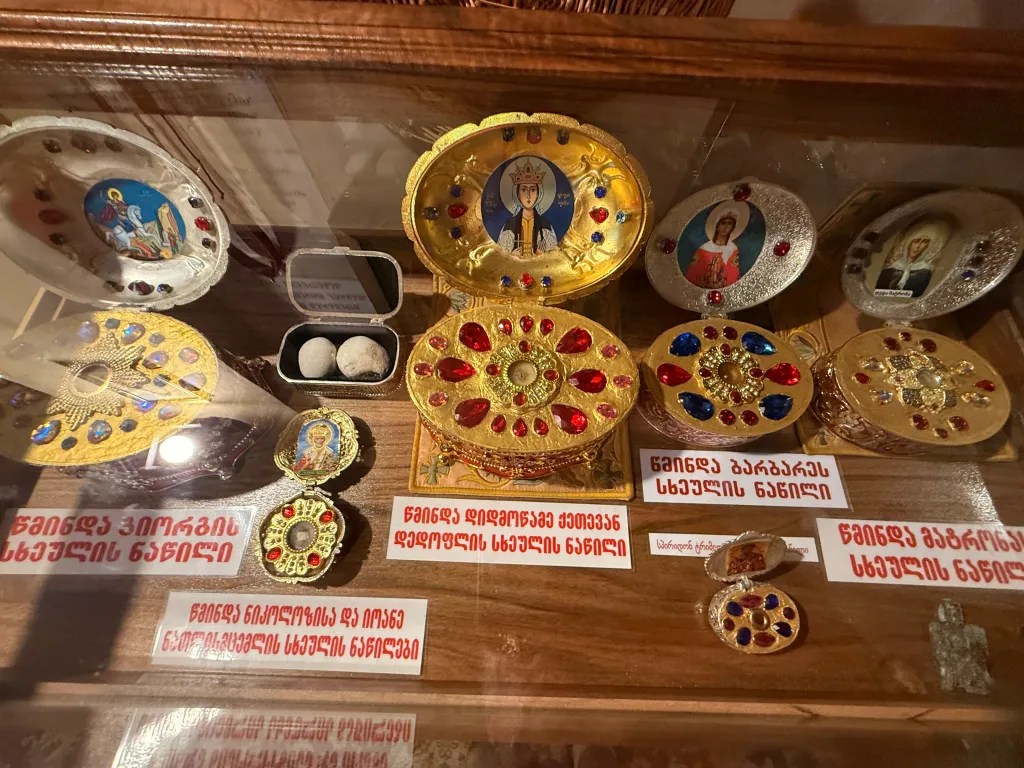
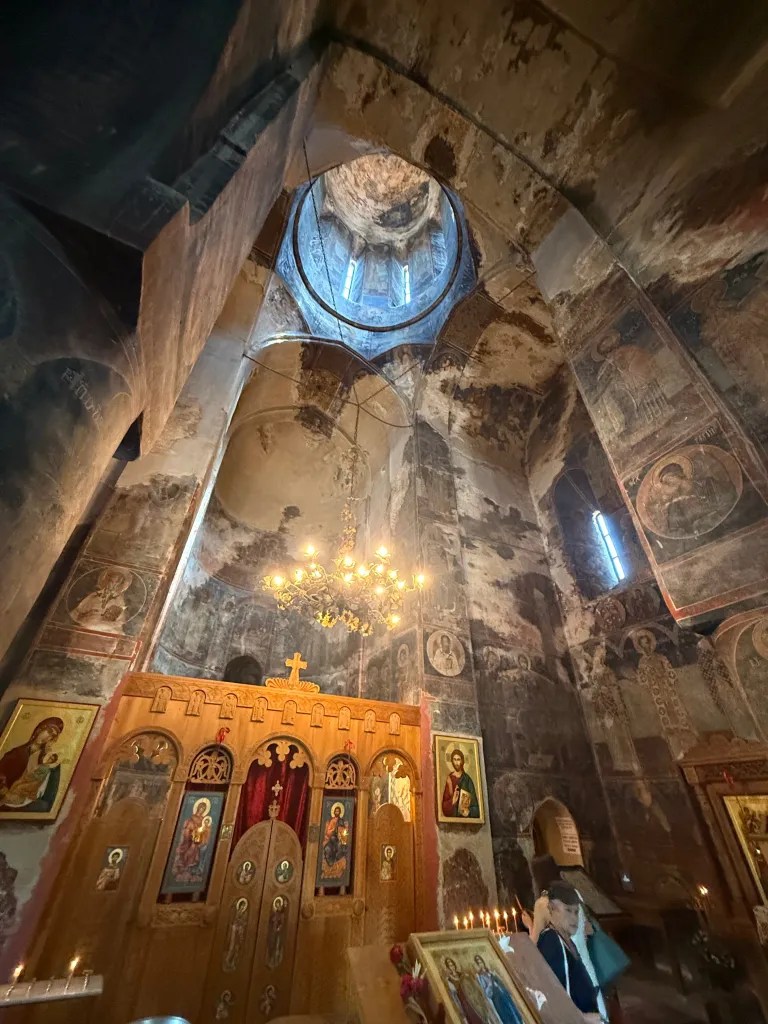
The legend of Gregory the Illuminator, the founder and first official head of the Armenian Apostolic Church. He converted Armenia from Zoroastrianism to Christianity in the early fourth century (traditionally dated to 301), making Armenia the first state to adopt Christianity as its official religion, and the reason that Armenians are the original Christians – apart from Catholicism and the Orthodox churches – started here at Khor Virap. Allegedly put in hole in the ground, filled with snakes & scorpions, for 13 years, he eventually survived to start the earliest Christian church here.

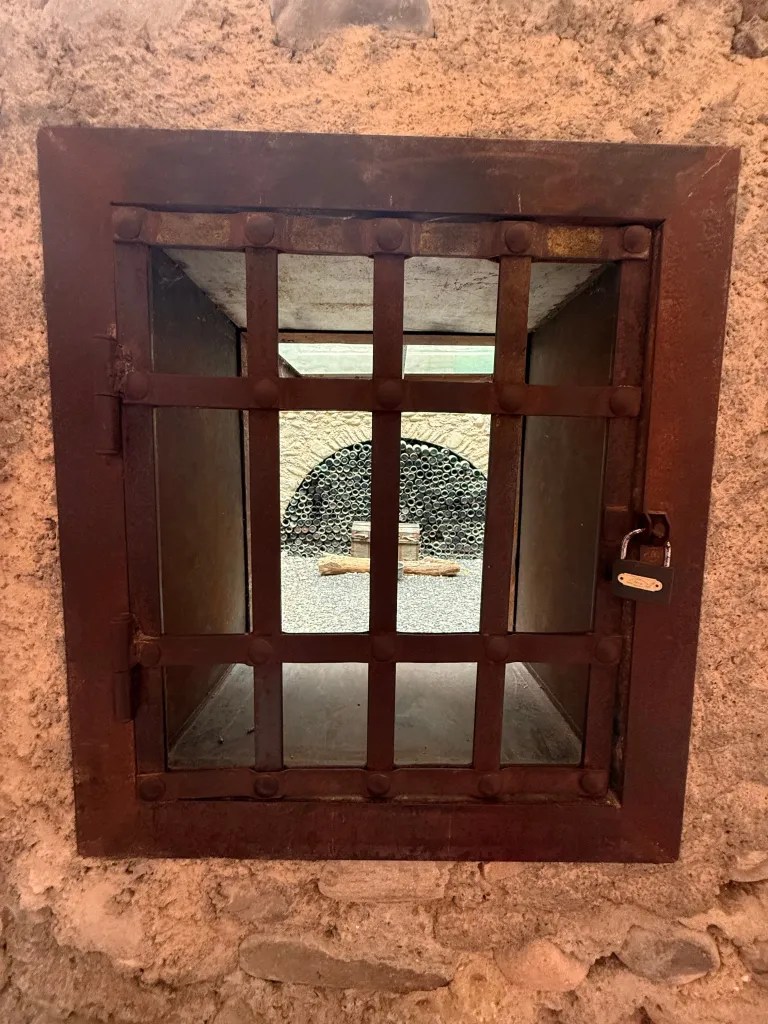
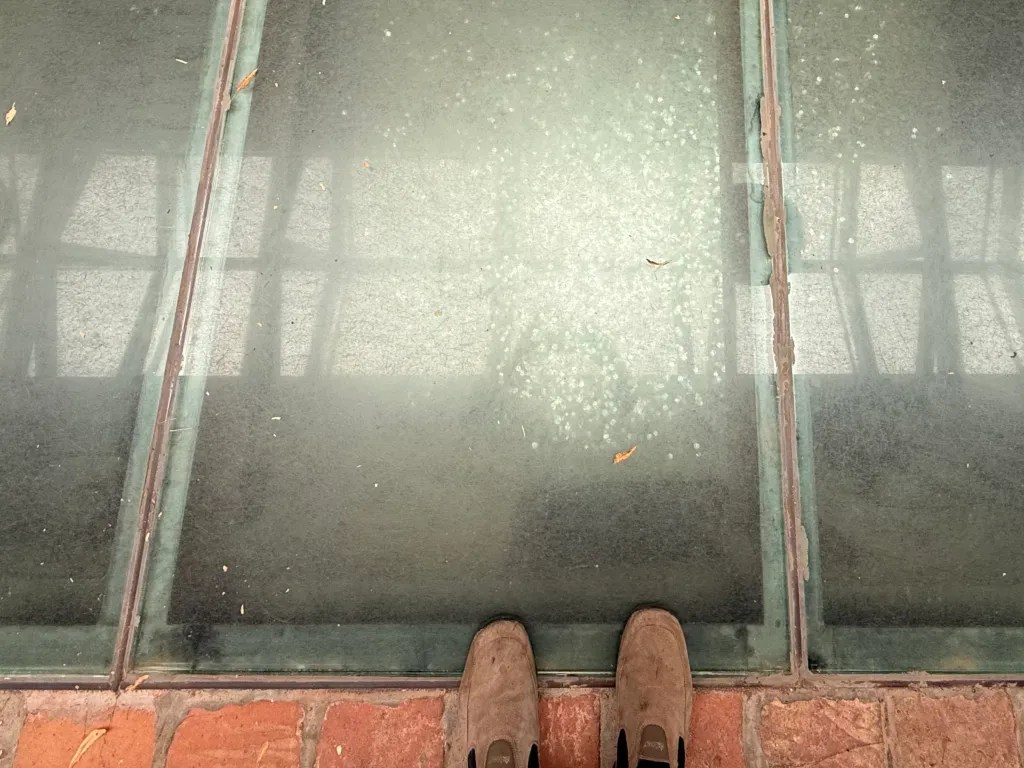
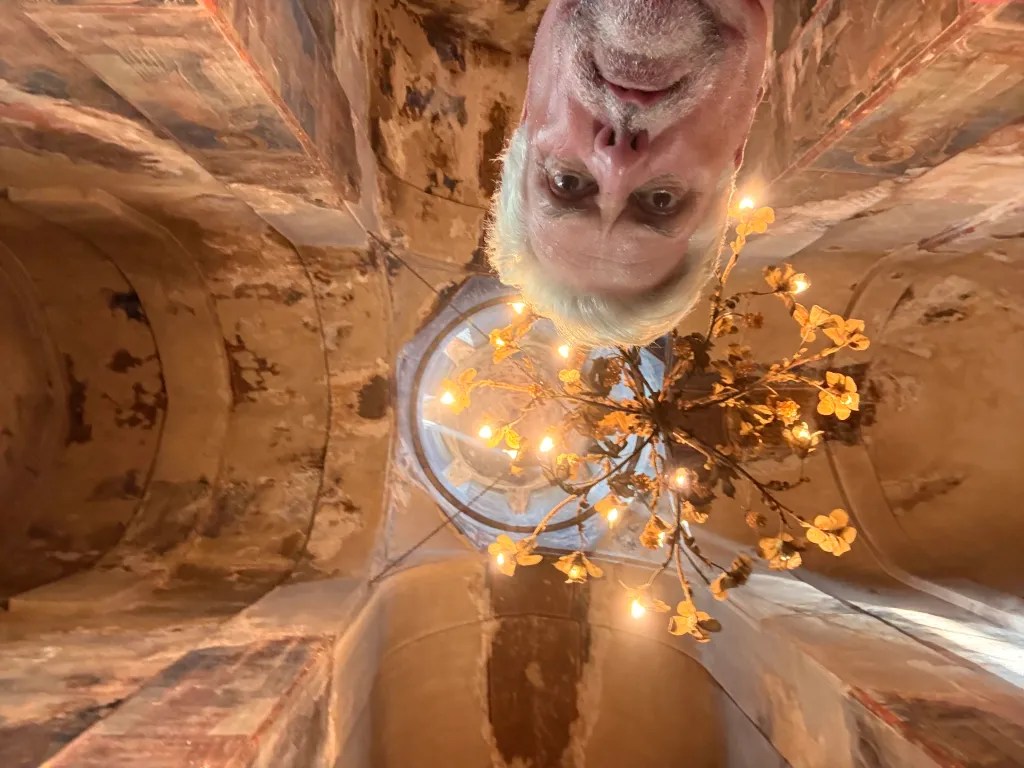
However, the hole in the church I went into might not have been the right one, seen here. After exploring the area – as you can too – I went back to go into the other hole, much deeper and steeper and scarier, but it was crowded and we were out of time. Check the last pic…

You can see from the Maps screen shot that Khor Virap is just across the border from Mount Ararat. After driving back through Yerevan, we went to a Molokans village to learn about their history and to have lunch. Vaguely similar to the Quakers or the Amish, these folks from central Russia started migrating here over two centuries ago, in the early 1800’s…

Here’s more of the Molokans village…

We finally made it to the mountain community of Dilijan where we stayed in a guesthouse and had our third scheduled wine tasting of the trip, after which we took a short tour of the town…

The next day, we left Dilijan to drive to Lake Sevan (the largest body of water in both Armenia and the Caucasus region) for another stay in a guesthouse.

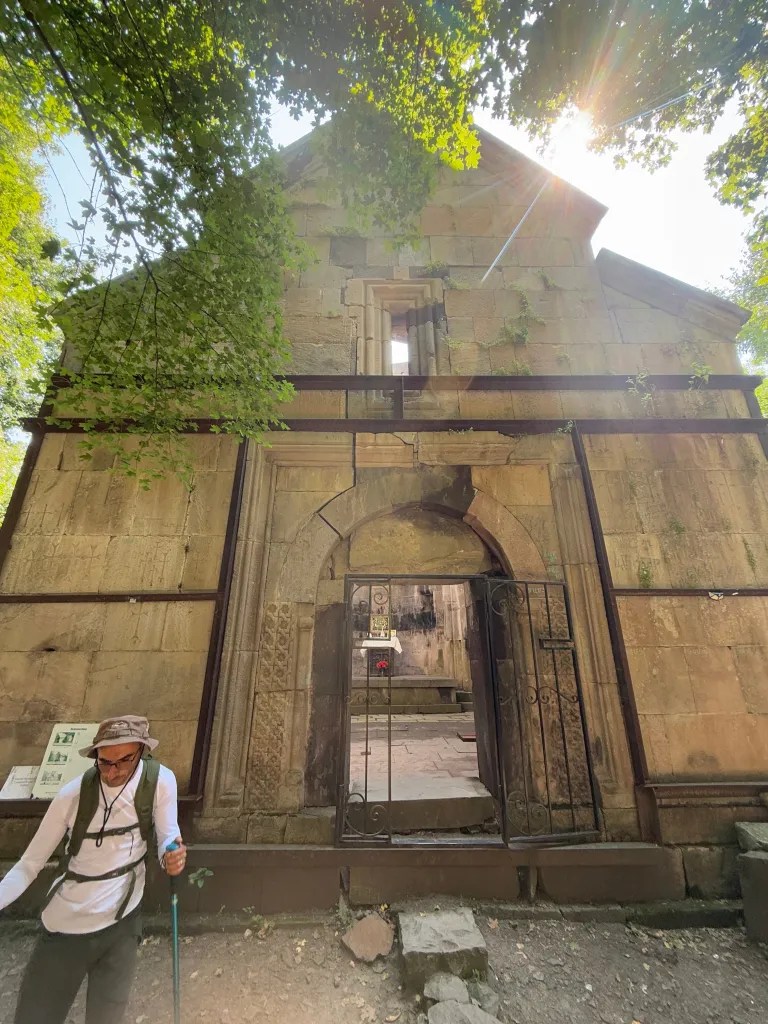
First however, some, but not all, of us went on a hike in Dilijan National Forest. Eric was our guide and we went to two sites of ancient monasteries, the first which was built in 1247, almost 800 years ago. Note the sign to that effect, and the fellow who was the caretaker of the place (?!)….

More from our hike in Dilijan National Forest, including a second pair of monasteries…

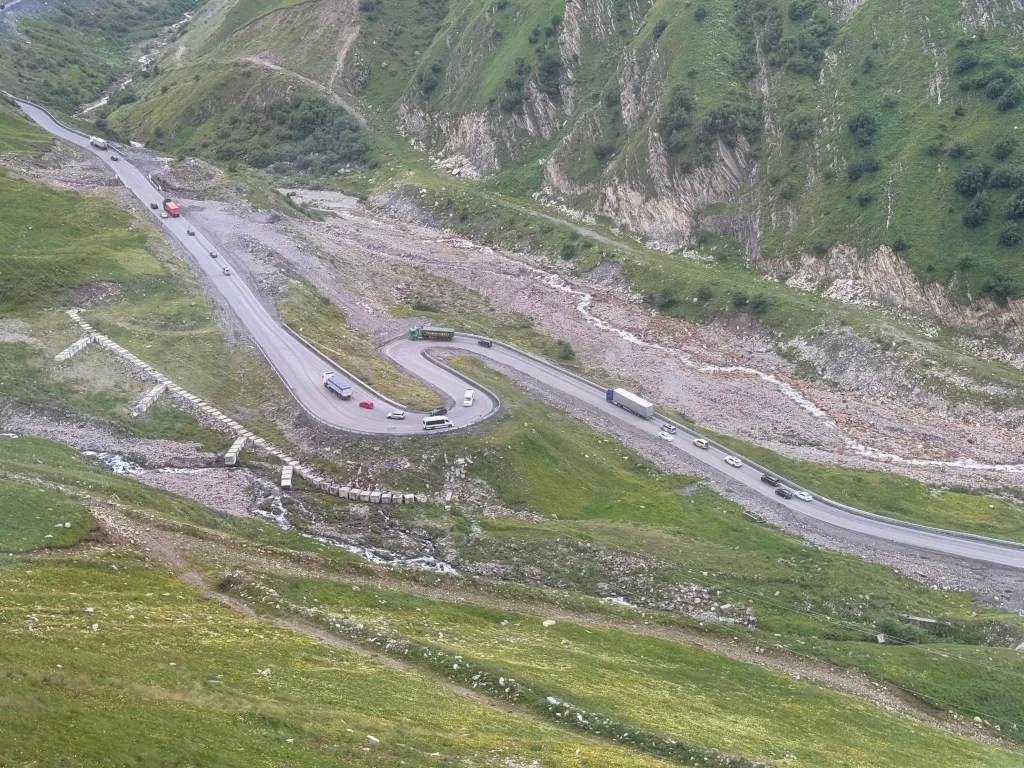
We went back for a shower, then set off for Lake Sevan. Here’s a timelapse from the next day – some mountain driving!

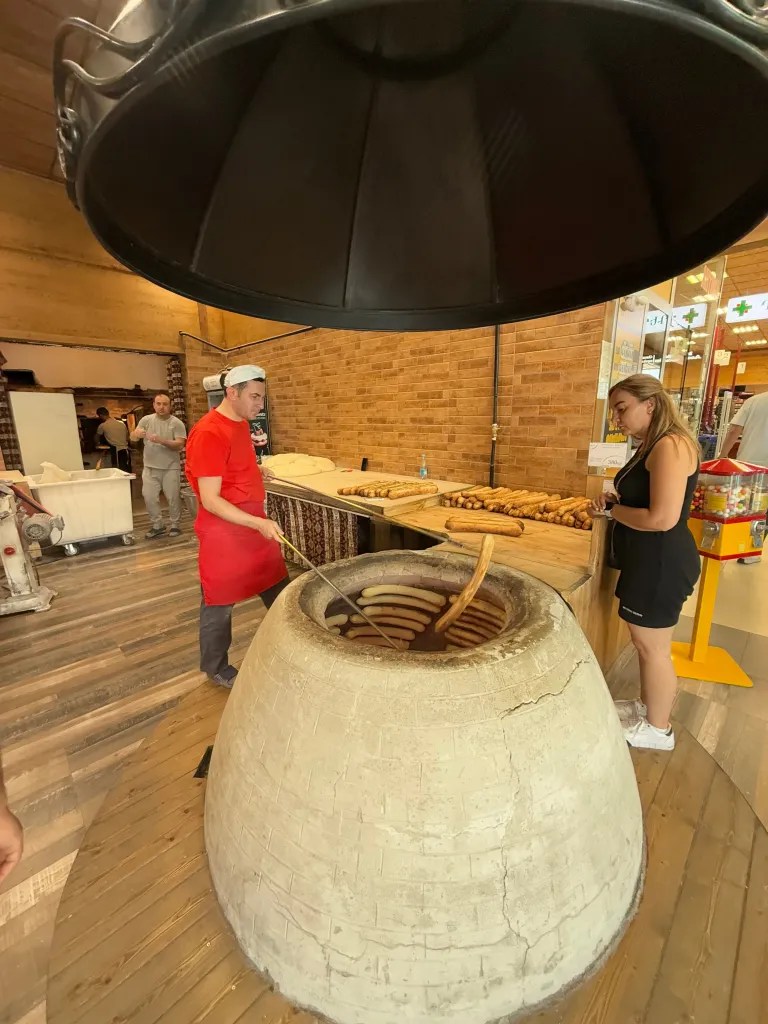
A stop at a huge roadside rest (food court and grocery store)…

We made it to the guesthouse, a funky spot on the shore of Lake Sevan. After resting and bantering with Arman the barman, who took pleasure in collecting some new jokes, I took a long swim. Afterwards, we had a nice dinner of local fish…

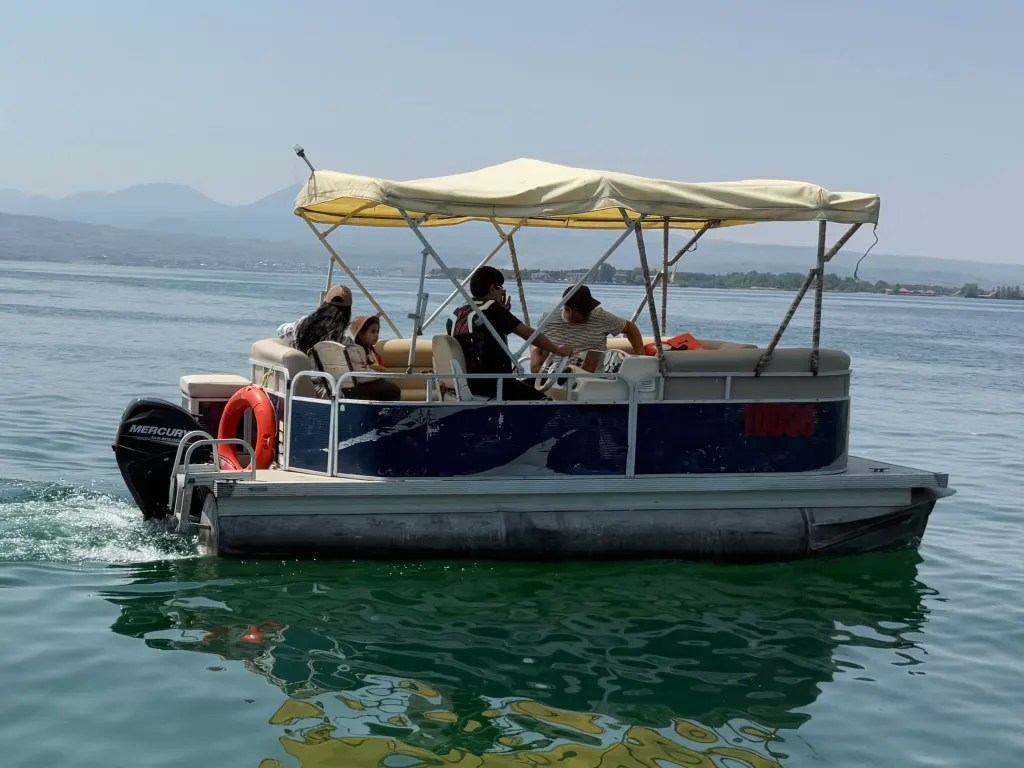
The next morning, calm and clear, I took another swim, jumping off the pier and going around the sailboat (in the first pic). More of our guesthouse, some flowers, and image-worthy images…

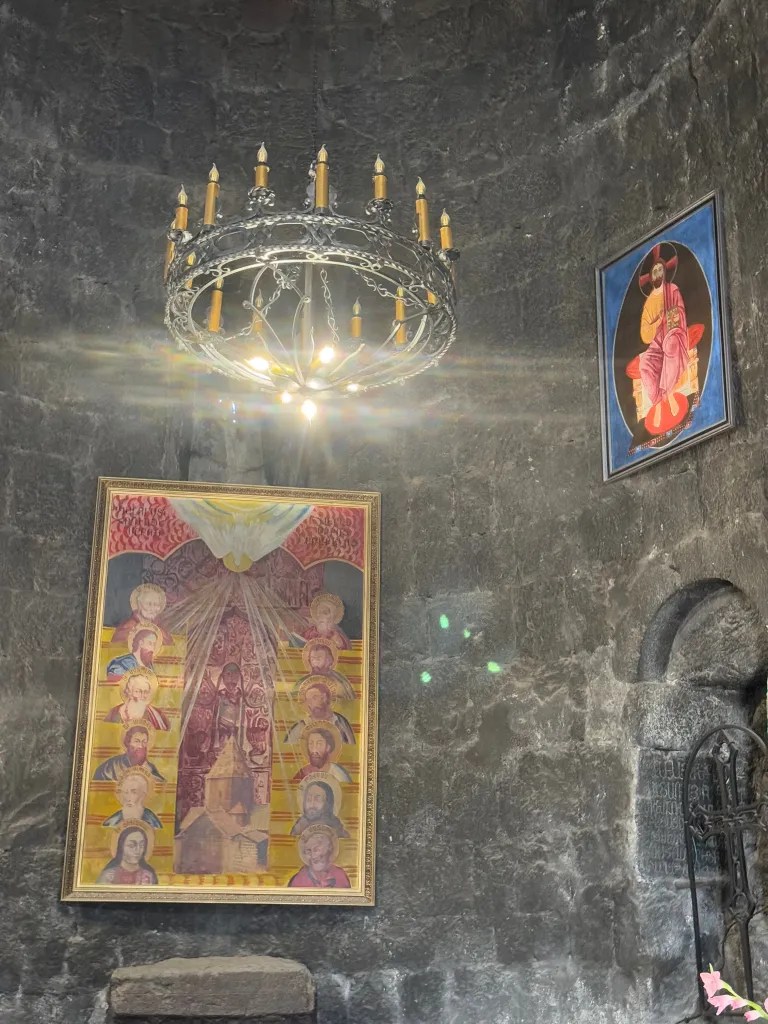
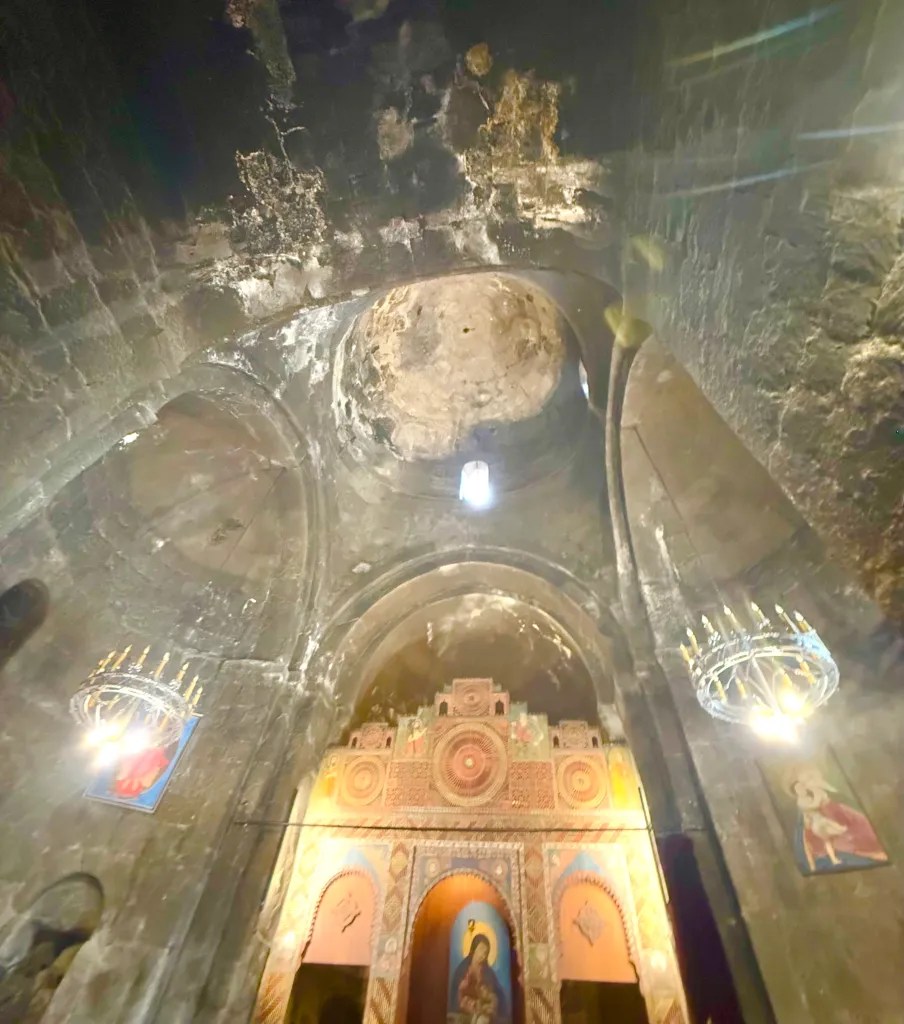
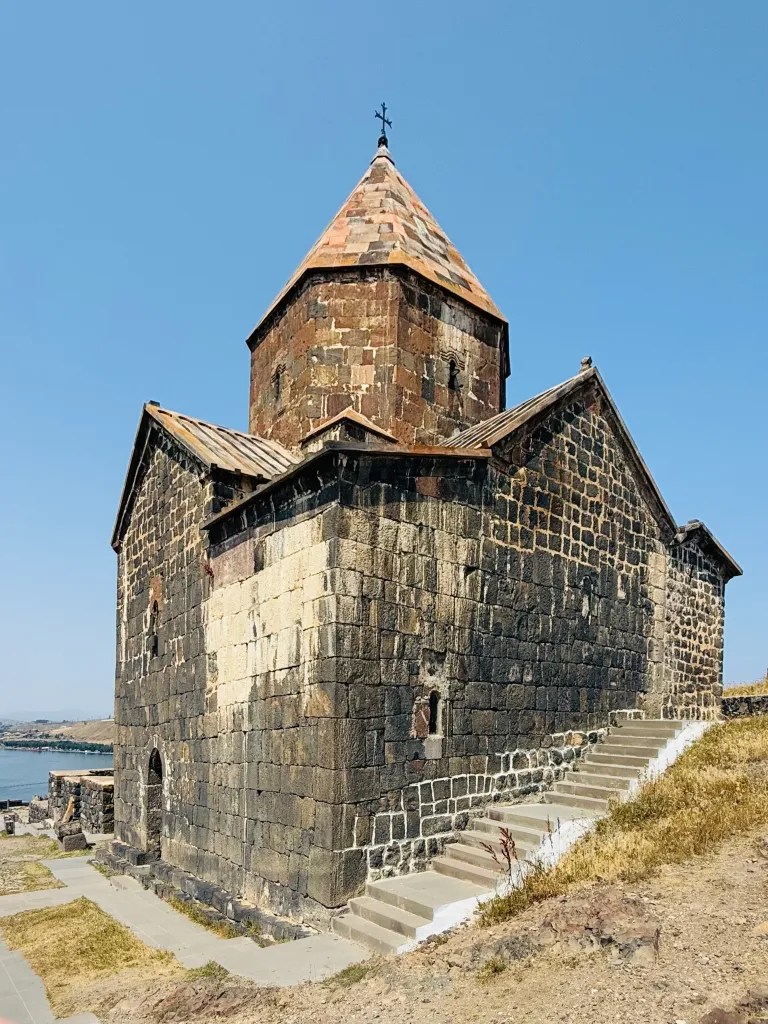
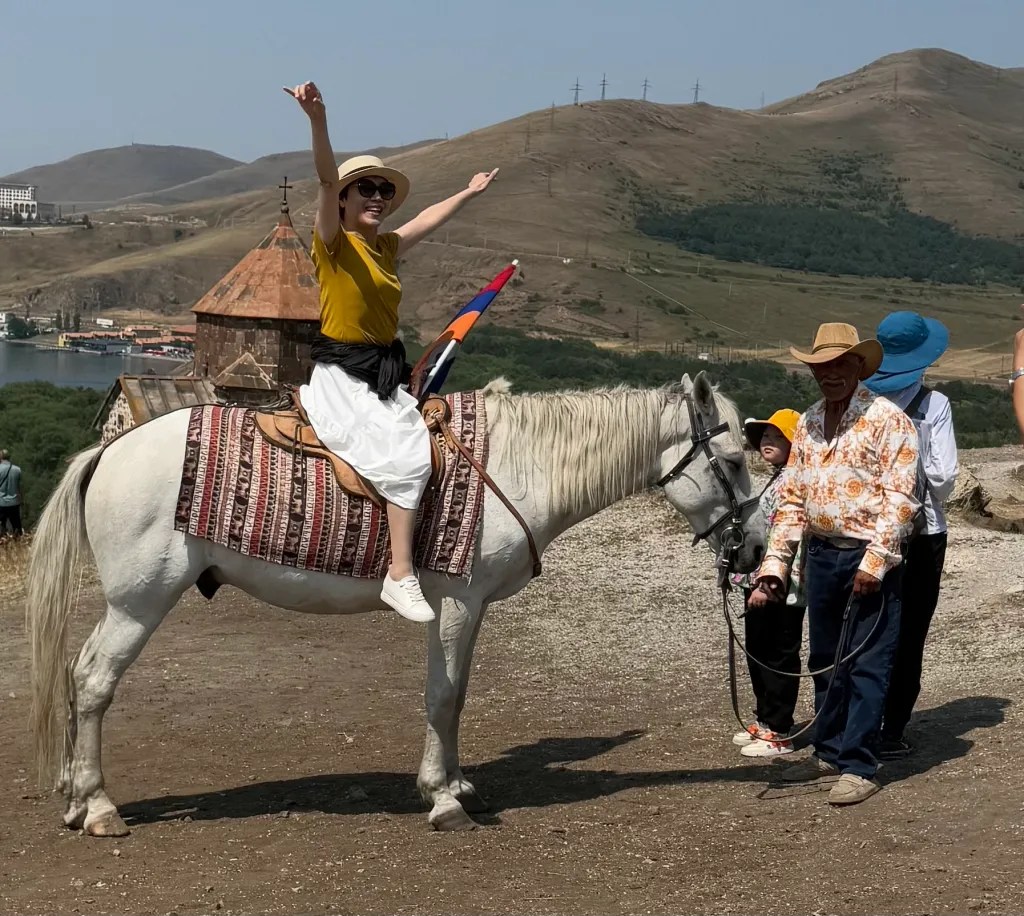
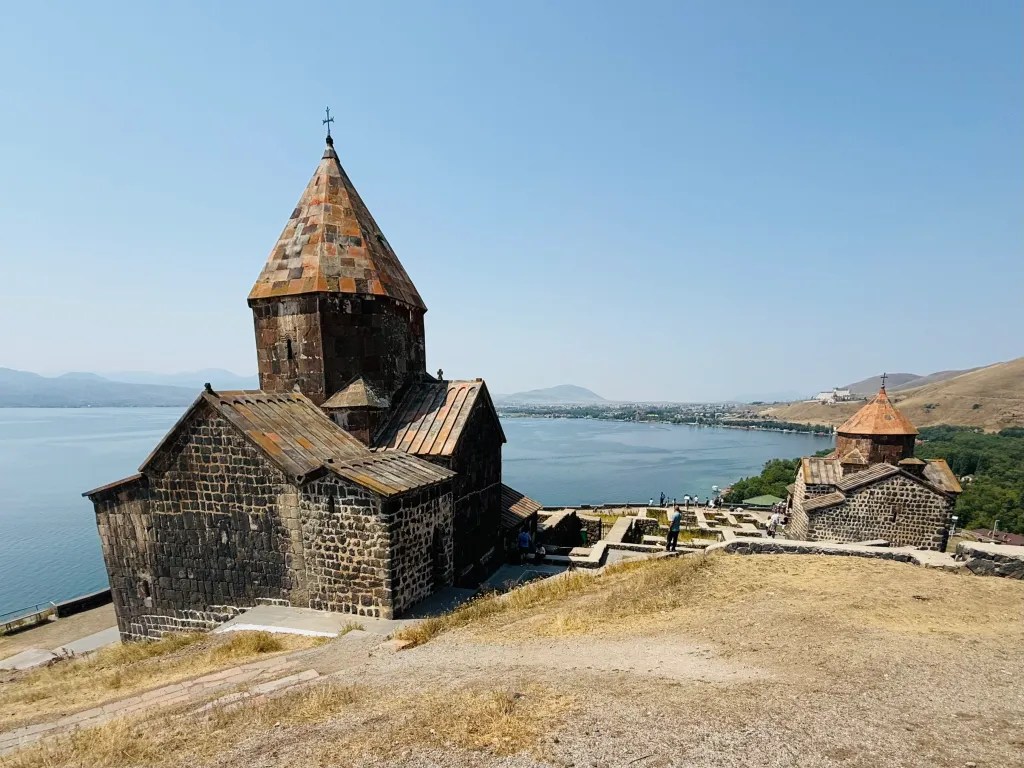
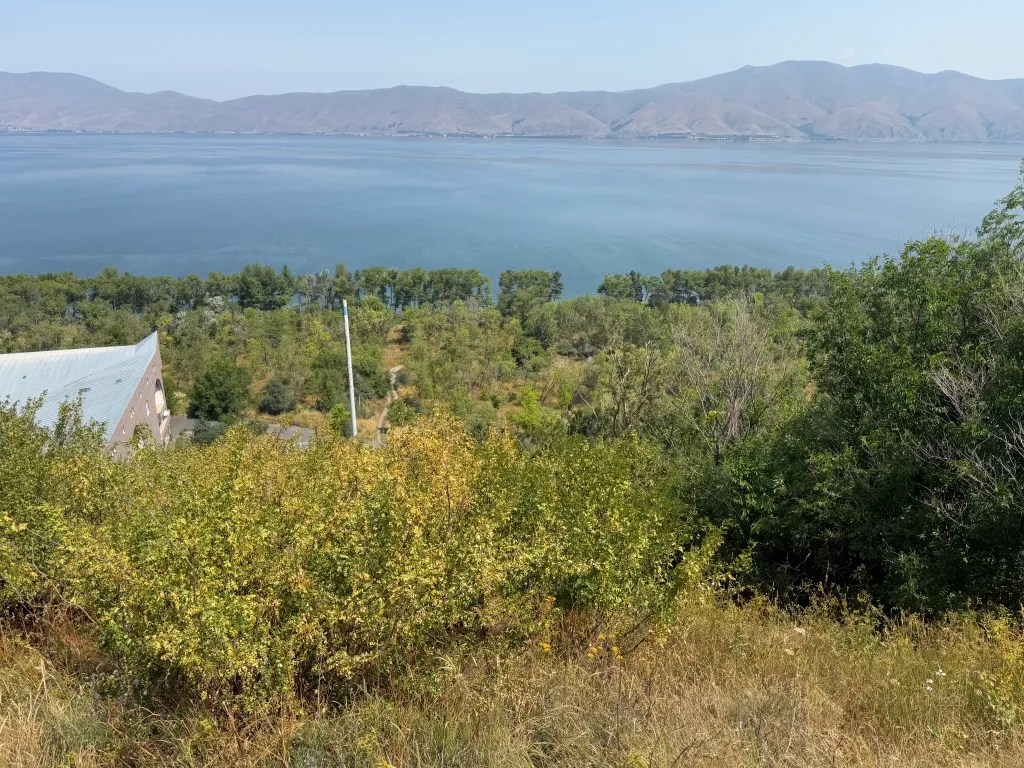
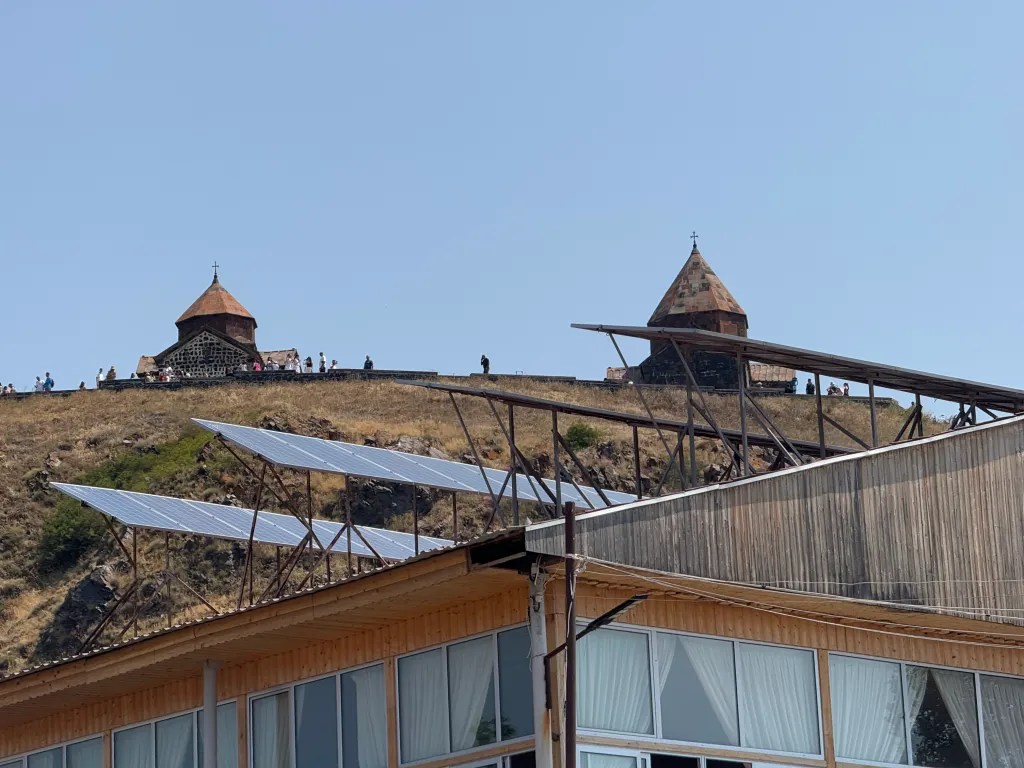
On our way back to Yerevan, we went to one more monastery, Sevanavank. Originally built on an island, it is now a peninsula (see the green part?!).

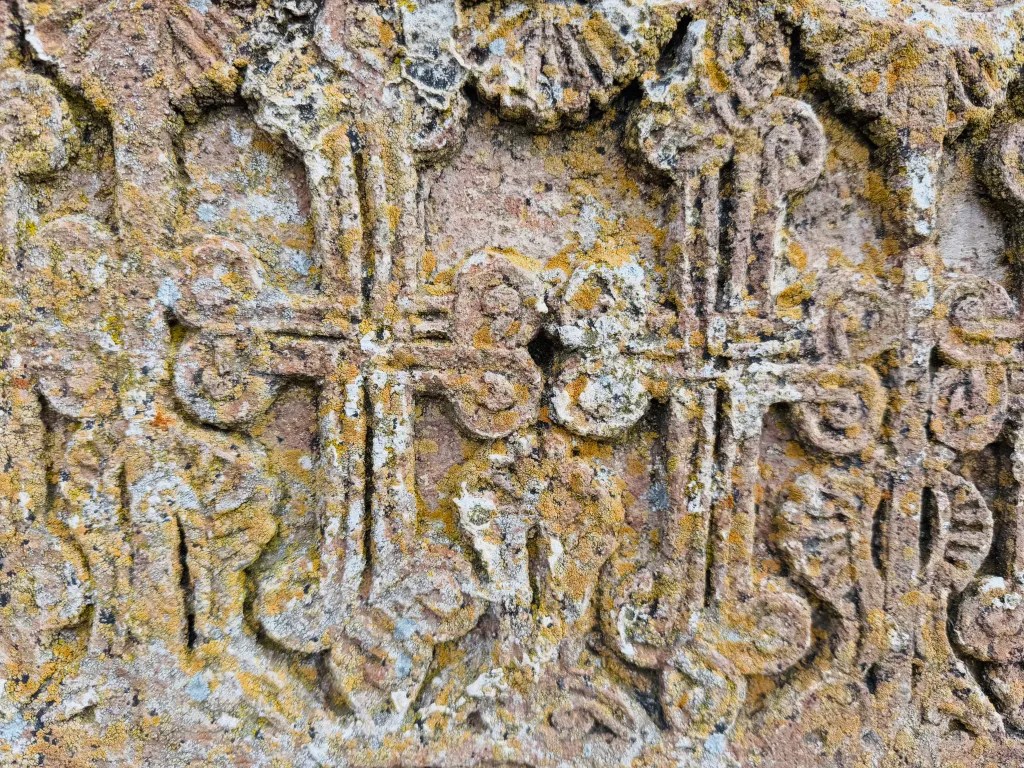
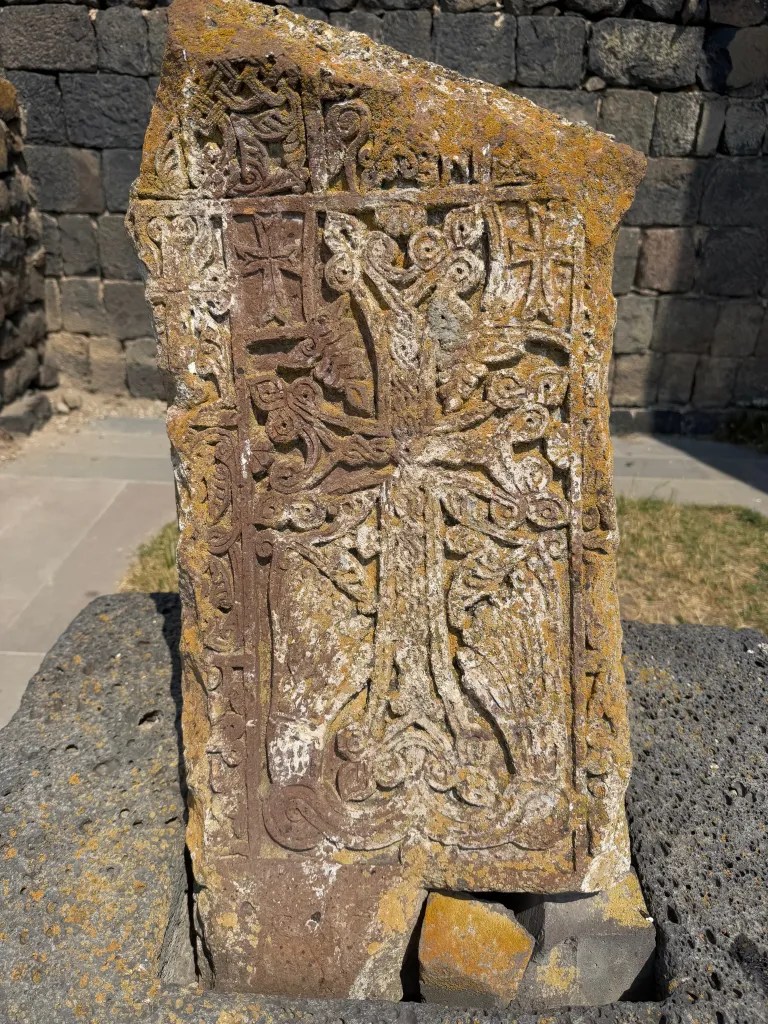
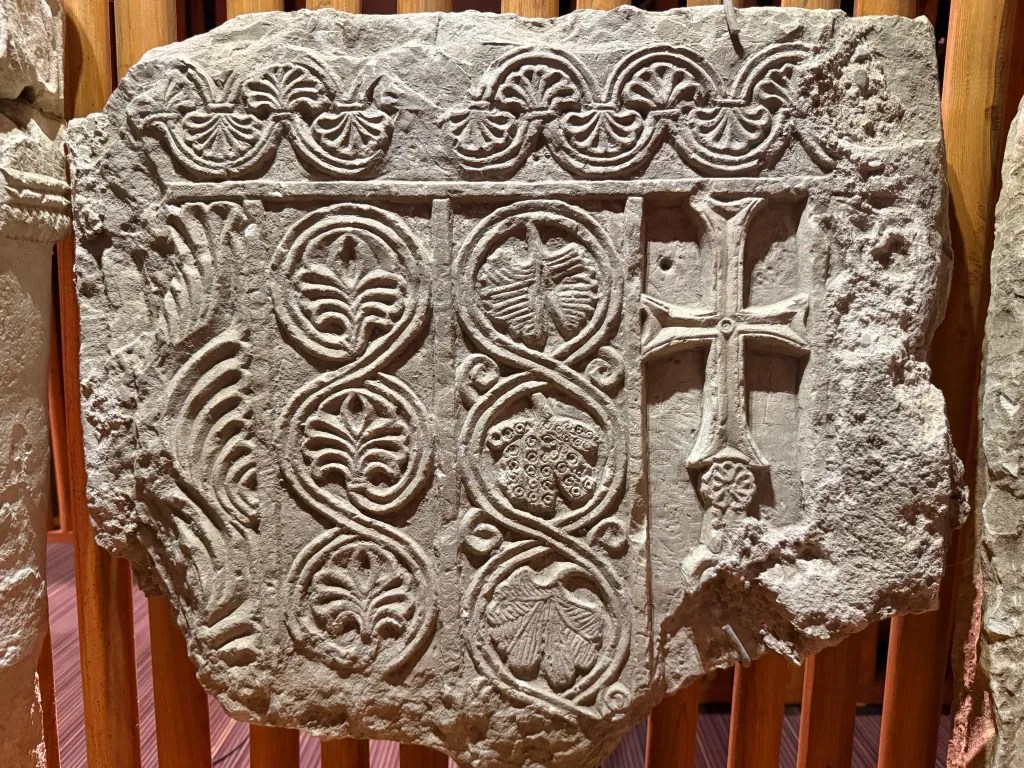
Pavel had waited until to tell us more about Khachkars, a unique “carved, memorial stele bearing a cross, and often with additional motifs such as rosettes, interlaces, and botanical motifs. Khachkars are characteristic of medieval Christian Armenian art.”

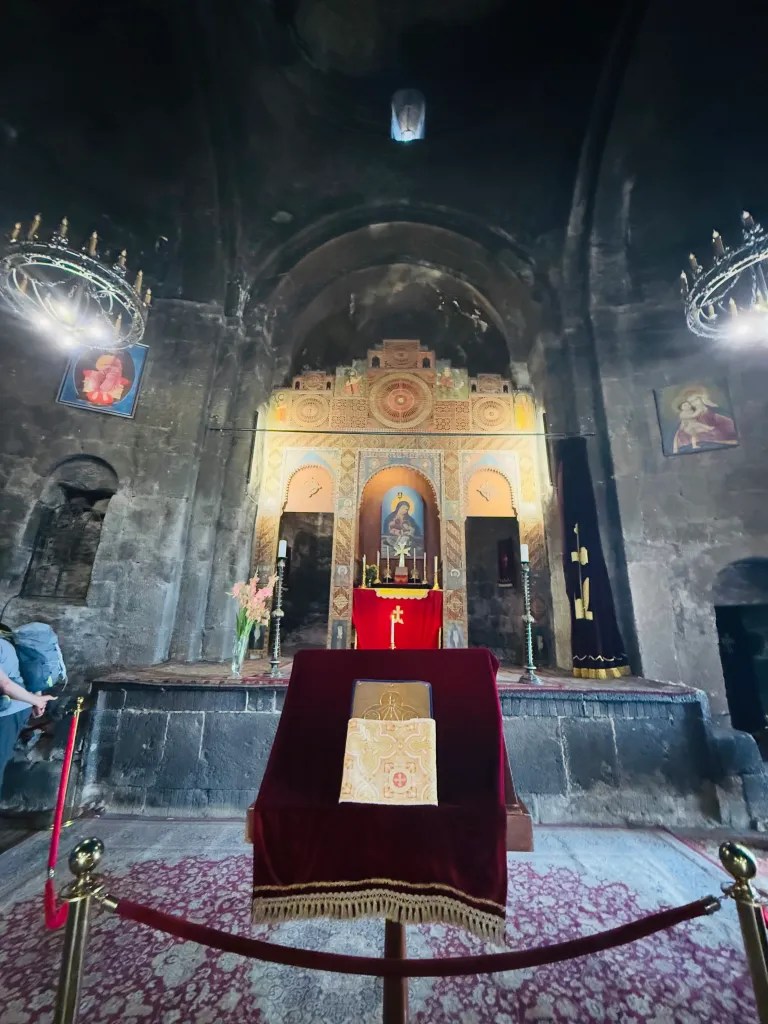
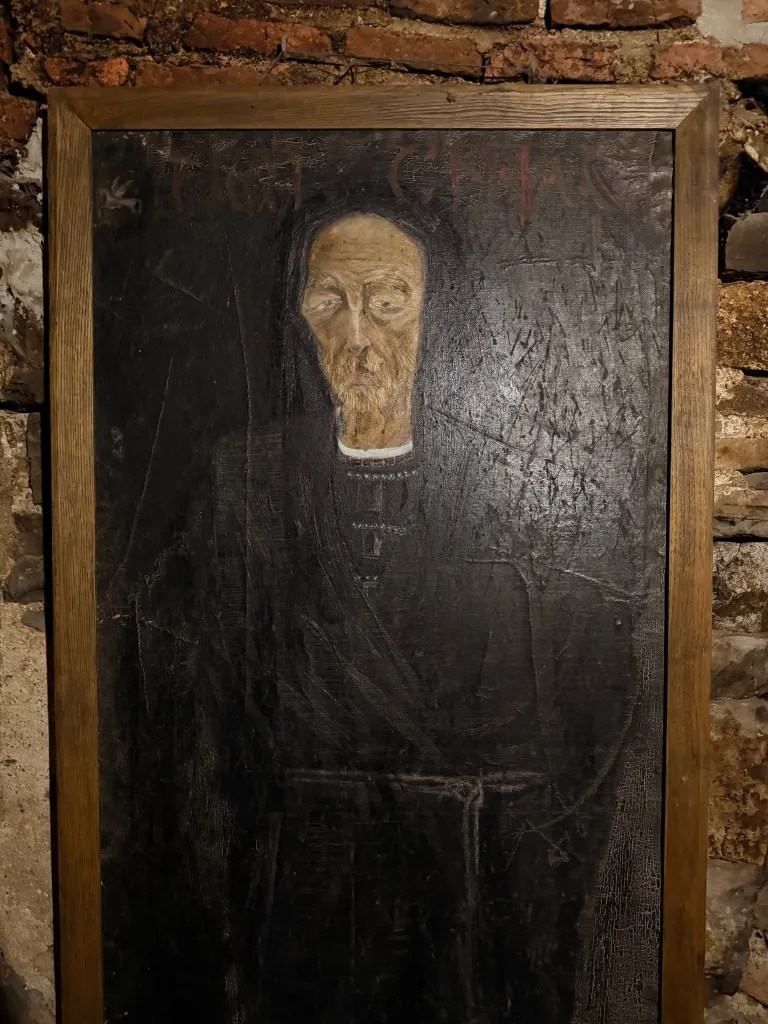
And, he told us about the unique depiction of Jesus as Asian with braids in the big picture, perhaps to preserve this monastery from the Mongol hordes? More of this site, ending with cops sprucing up this thing I wasn’t allowed to go to…?!
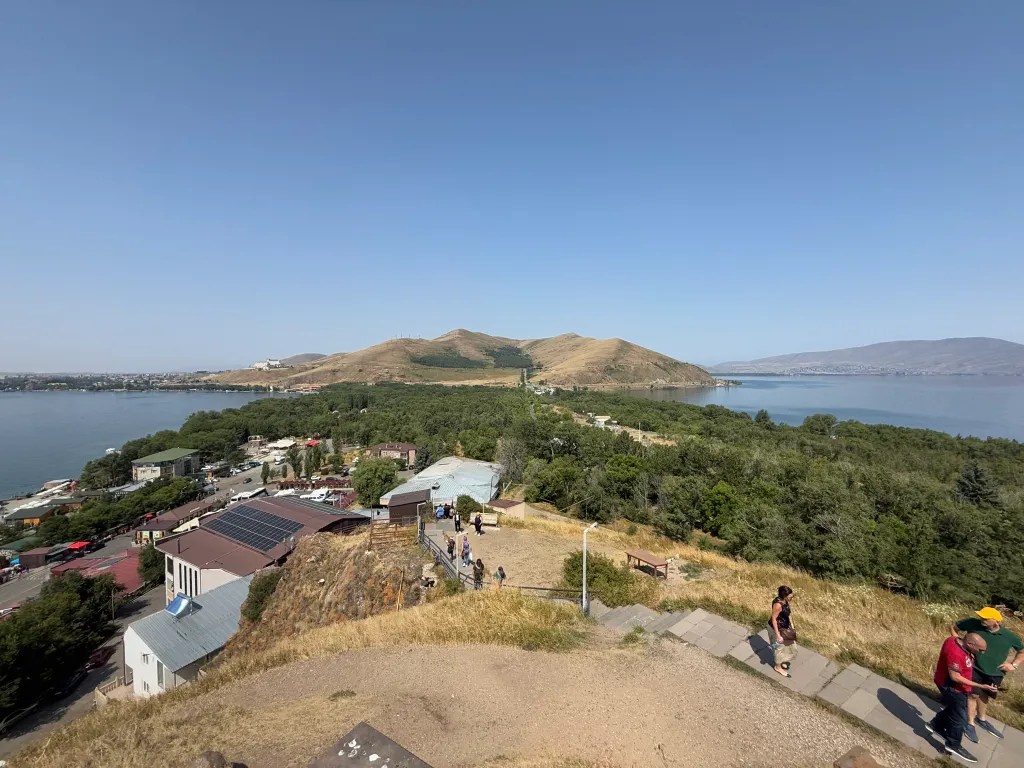
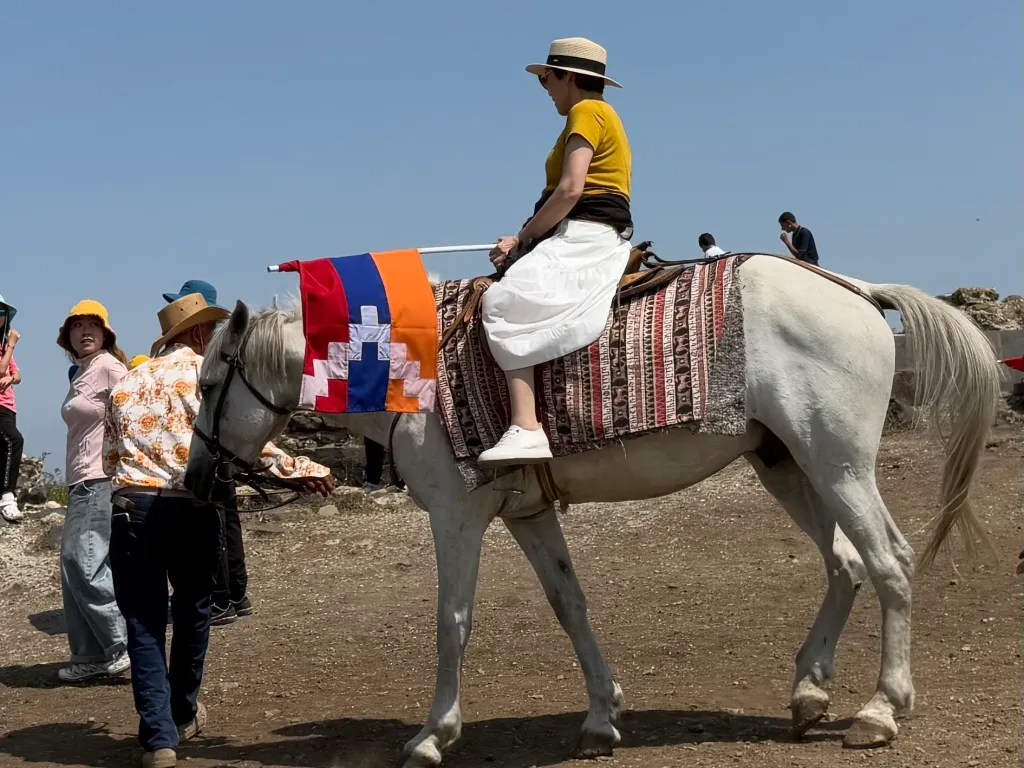
More from Sevanavank and environs…

Next, back to Yerevan, the end of this Intrepid tour, and more of Armenia – thanks to a lil’ help from ol’ friends…

Yerevan, Armenia

From Gyumri, we took a train to Yerevan, the capital of Armenia. Check out the stations, and part of the ride. The worst pic in this batch was an attempt to capture the one nuclear power plant in the Caucasus.

Upon arrival, per pattern, some of us went out on an orientation walk with Pavel, and then explored from there. Here are some snaps around Yerevan – people, buildings, statues, etc…

More from my walk on day one. I wasn’t alone, as strolling in the evening seems to be a national past time. Unfortunately, will likely miss the ballet, which seems to be a big thing hereabouts…

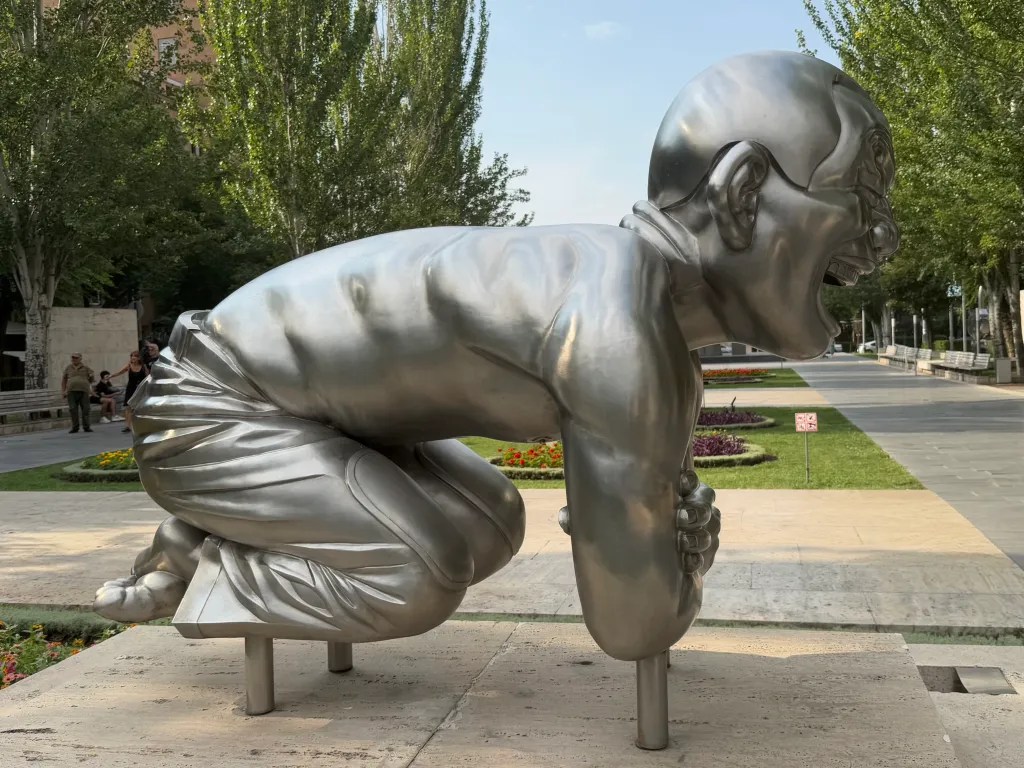
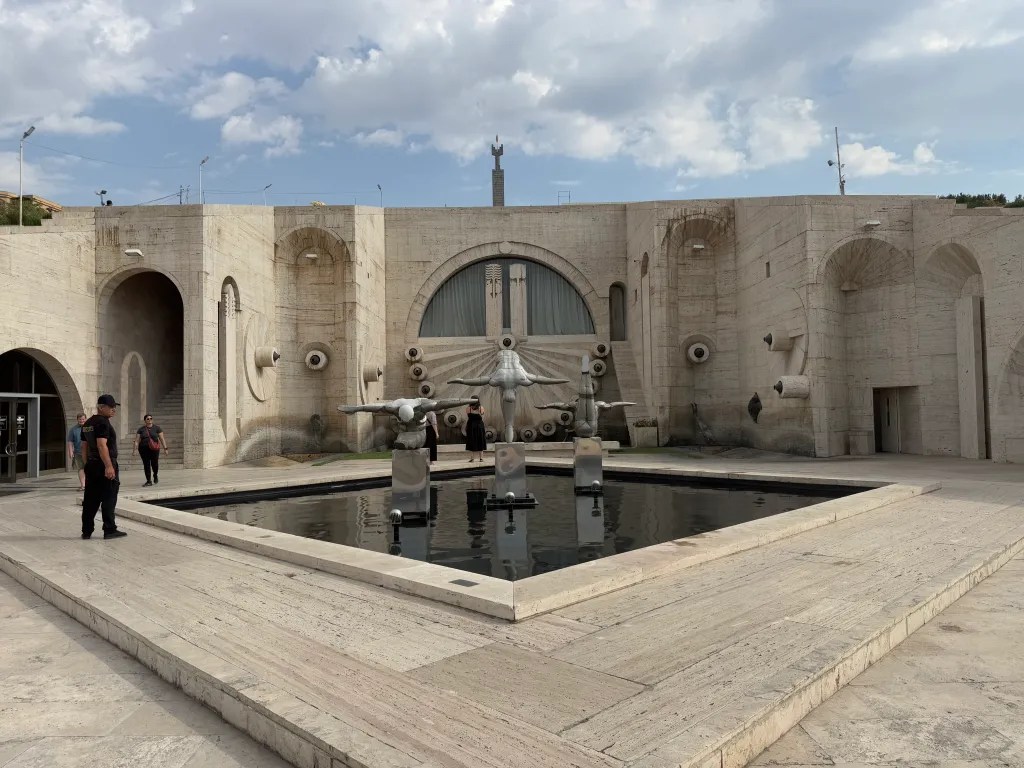
The next morning, we started early for a more formal walking tour of Yerevan. First, we went to the Cascade Complex, a monumental feature featuring lots of art. I particularly loved the lion made from old tires! The whole thing is brutalist brilliance…

Continuing on our walking tour of Yerevan. Please note William Saroyan as the first pic, and consider Eric Bogosian, George Deukmejian, Jack Kevorkian, and of course, Cher…!

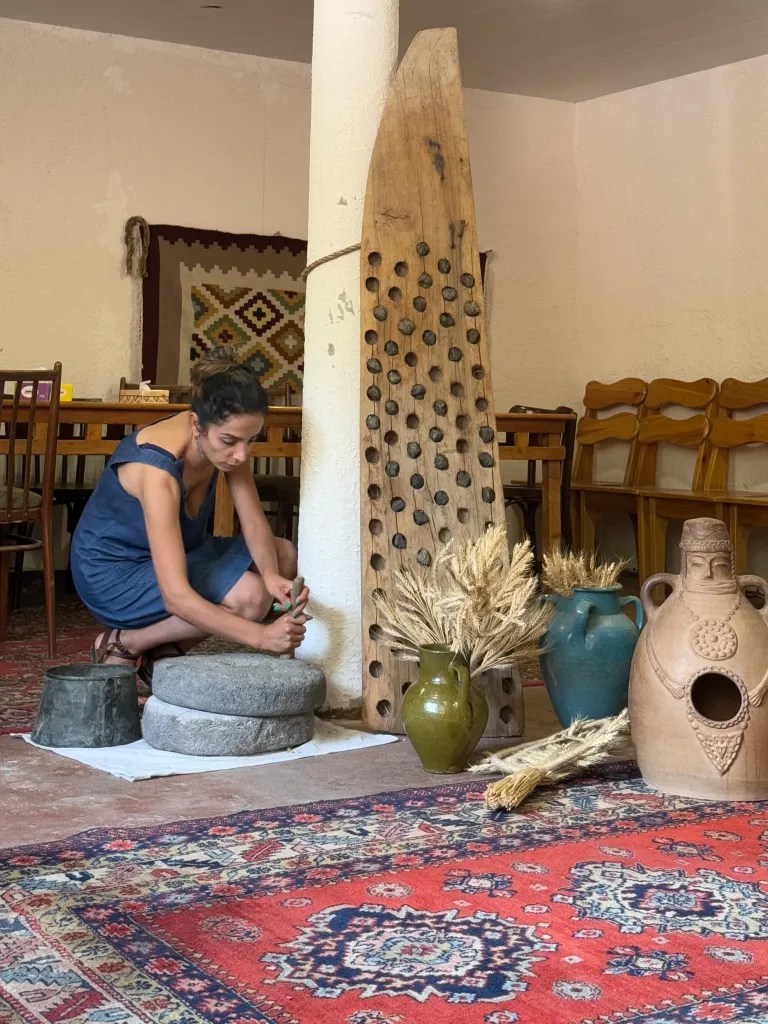
Next, we went to an Intrepid-supported non-profit to take a class in dolma making and have lunch…

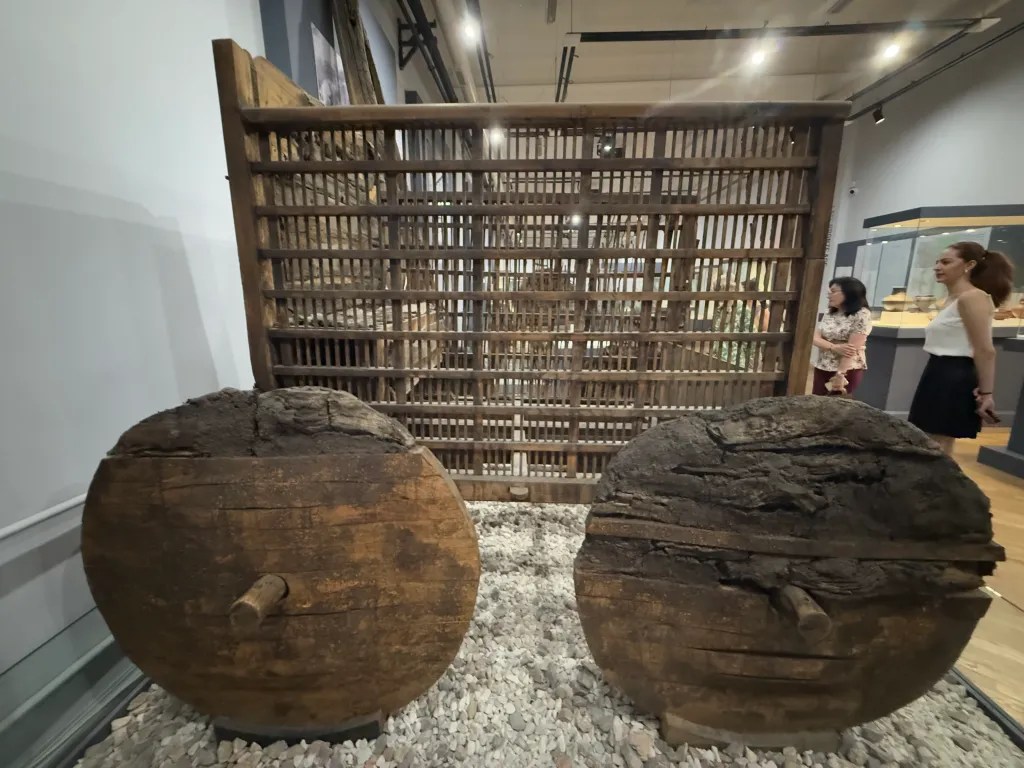
Afterwards, I went to the National History Museum

More of the National History Museum

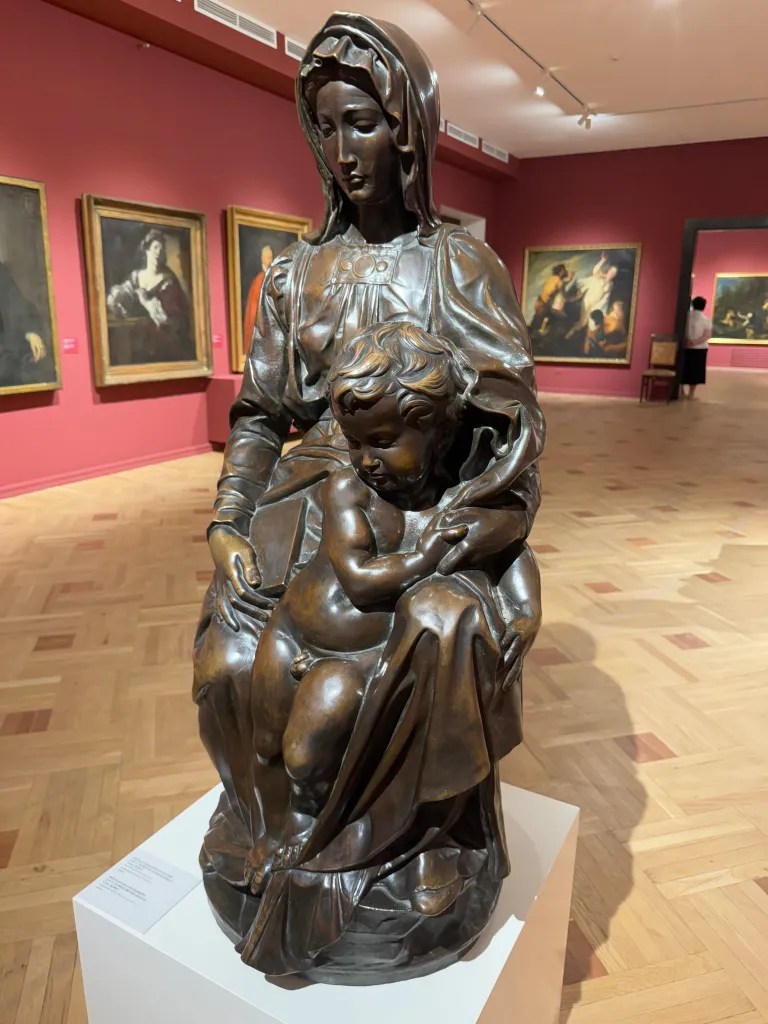
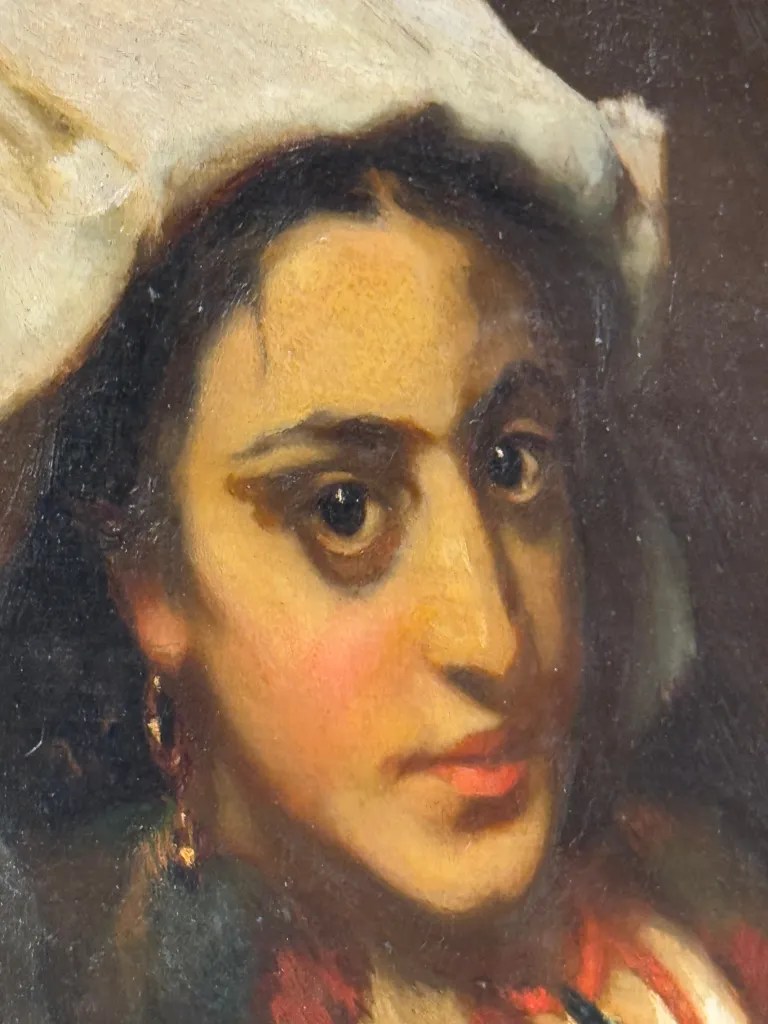
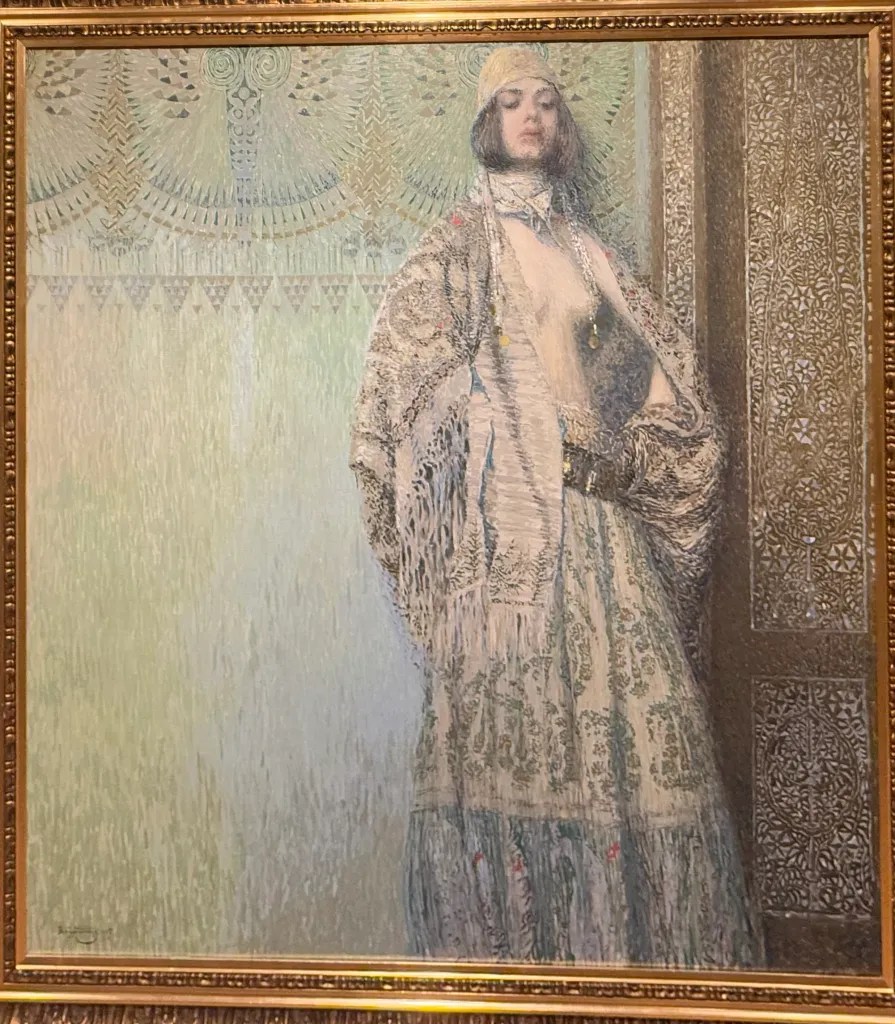
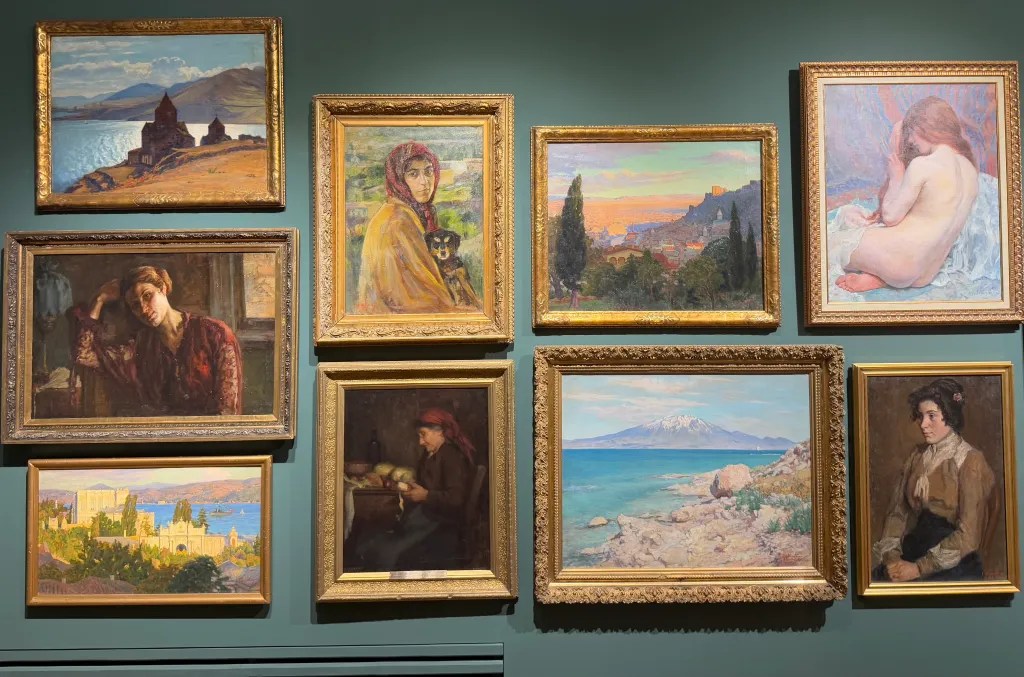
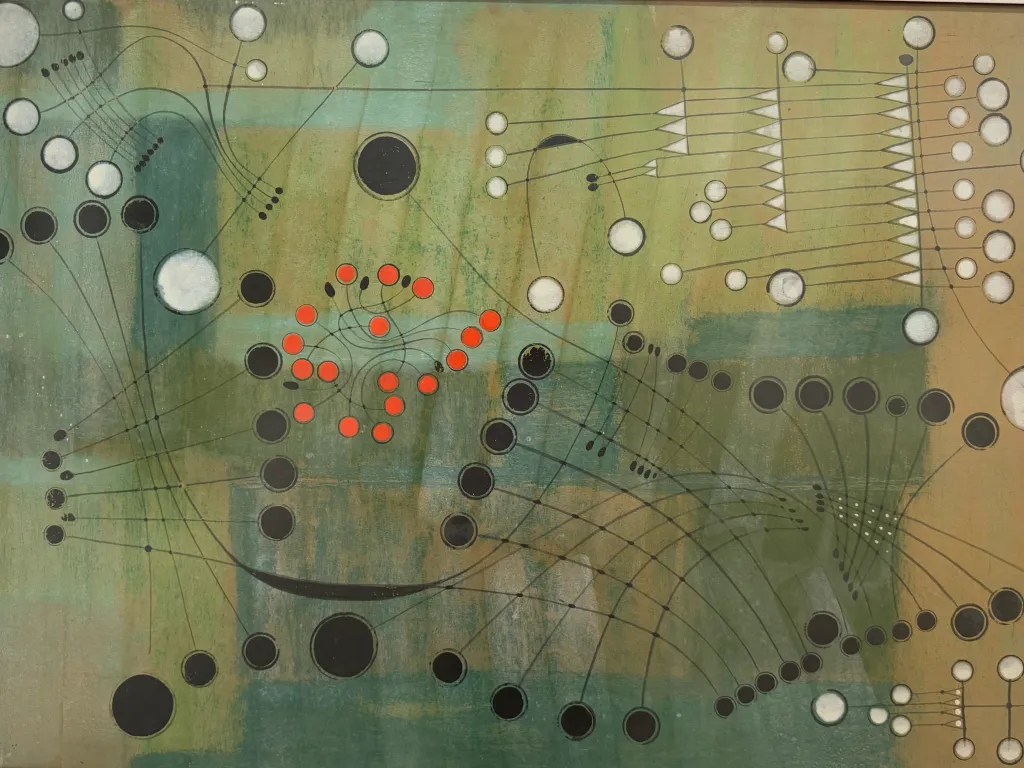
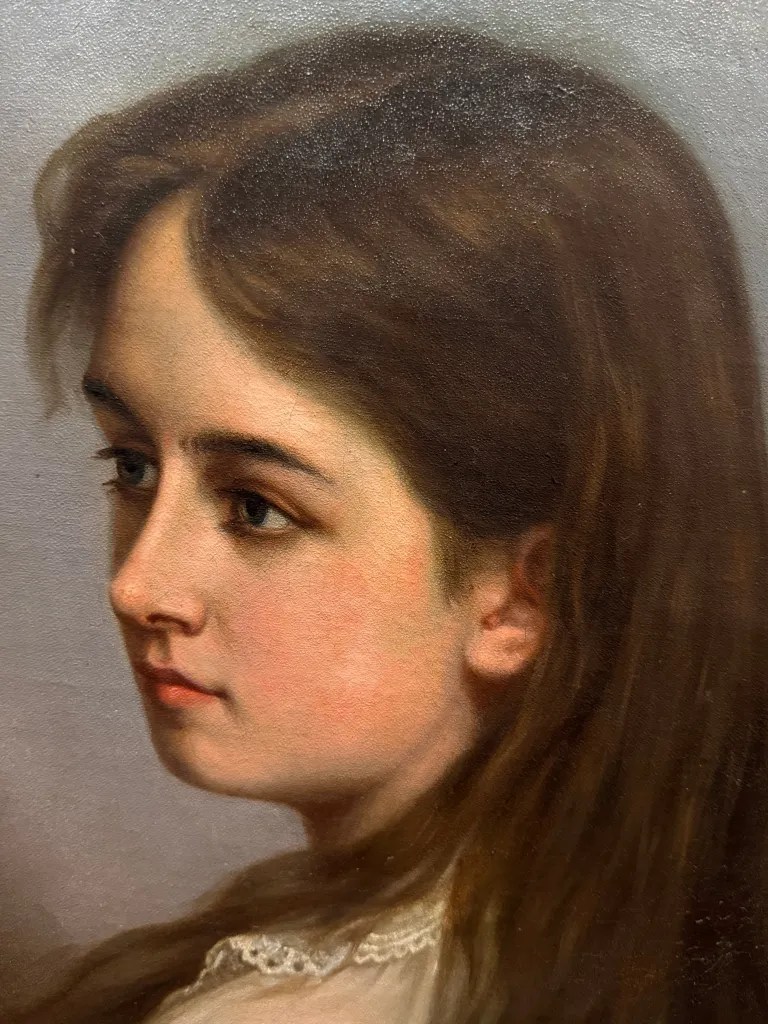
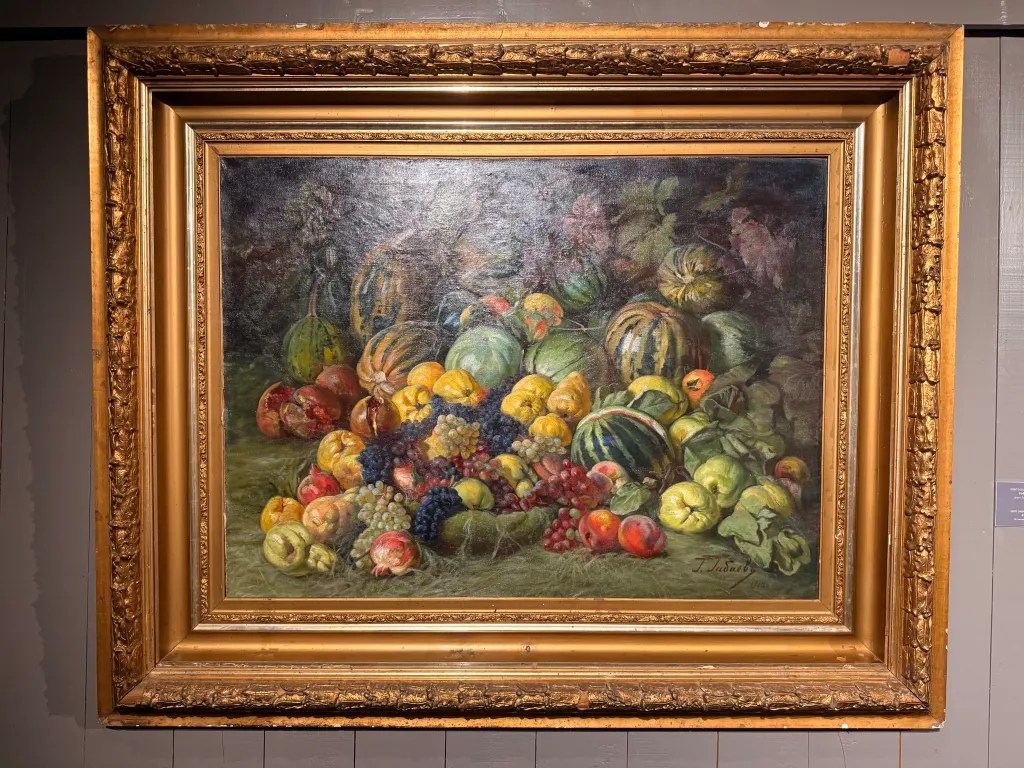
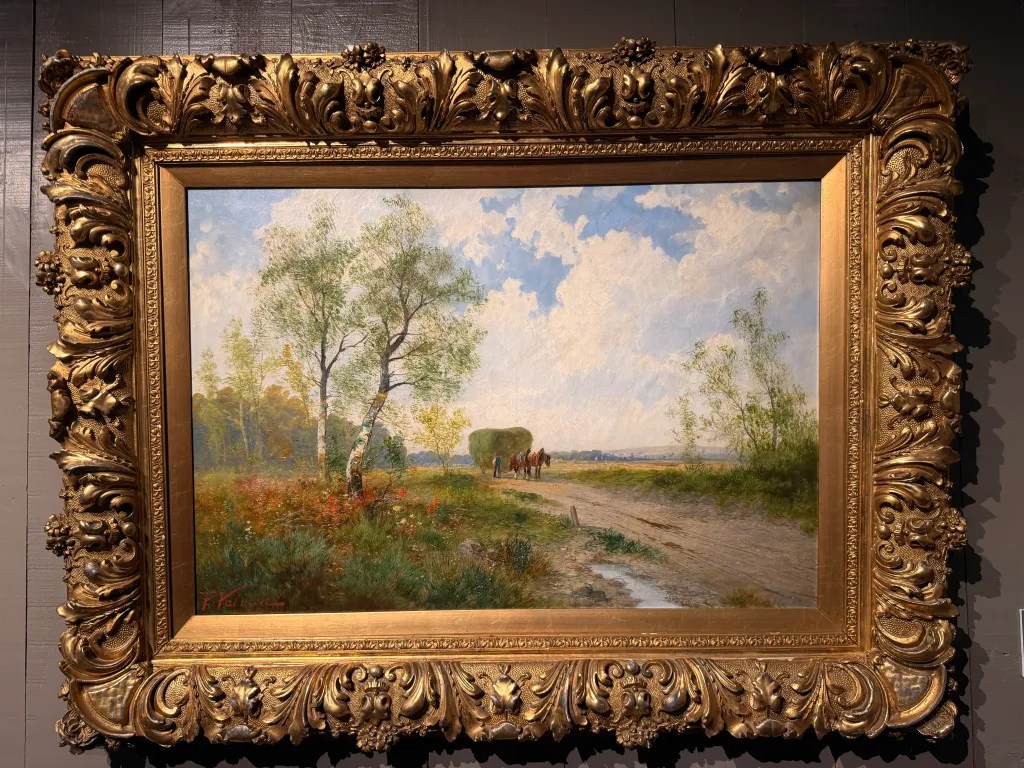
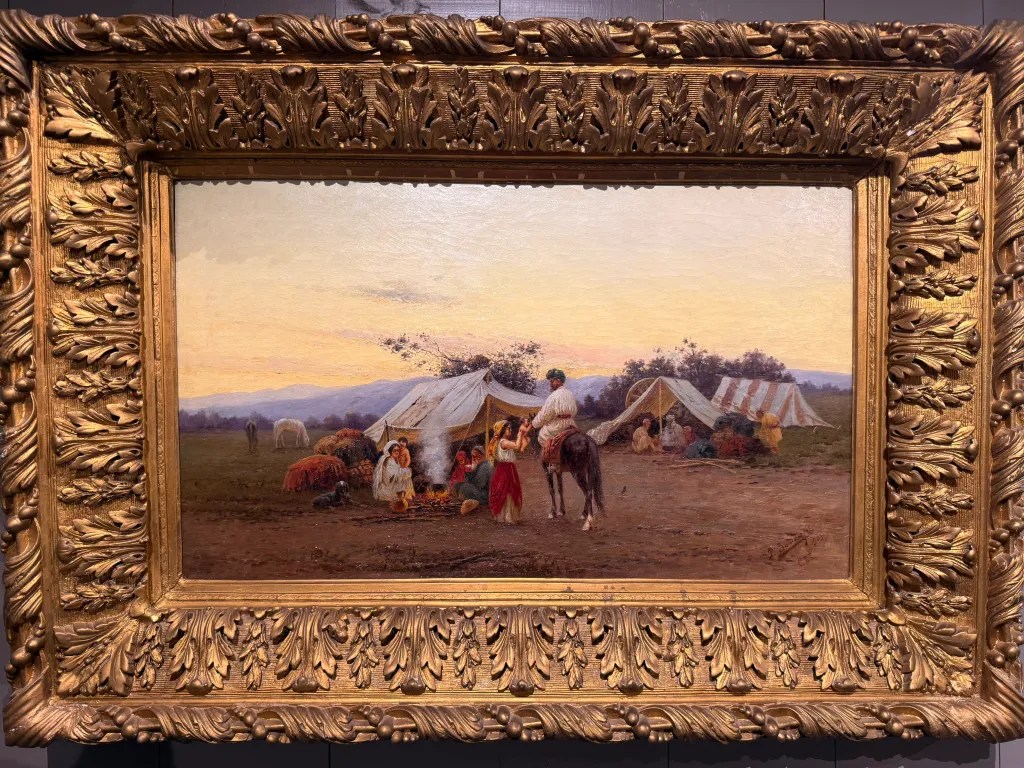
Right next to – part of the National History Museum is the National Art Gallery, the largest museum in Armenia, and a really impressive collection…

More of the National Art Gallery.

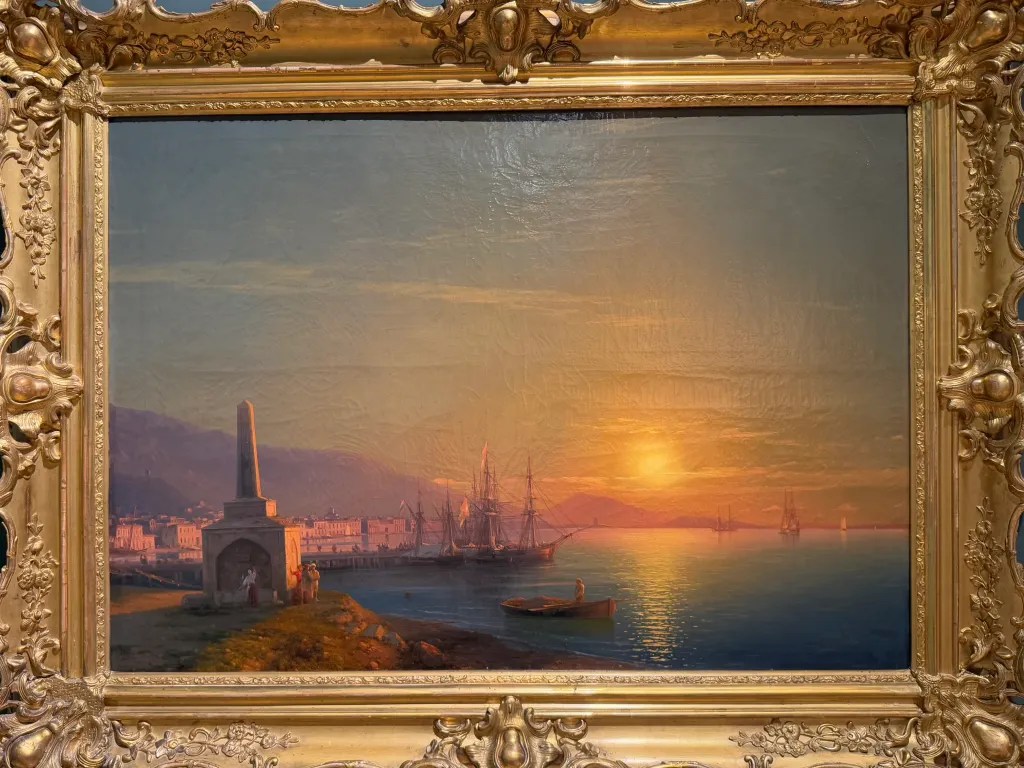
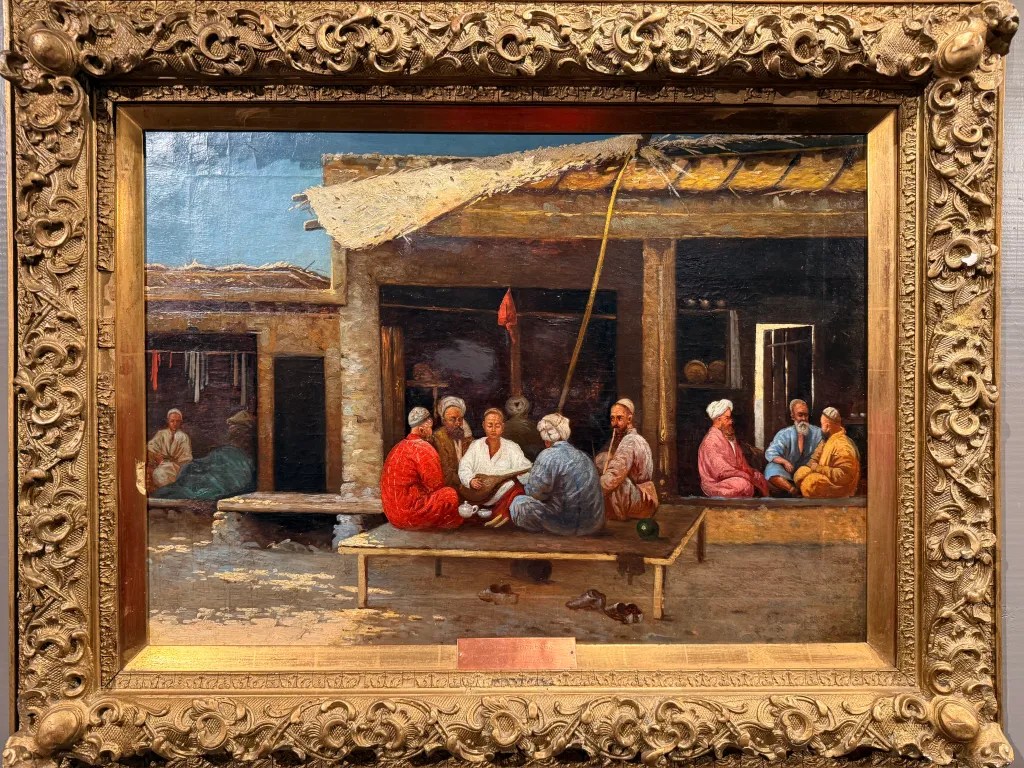
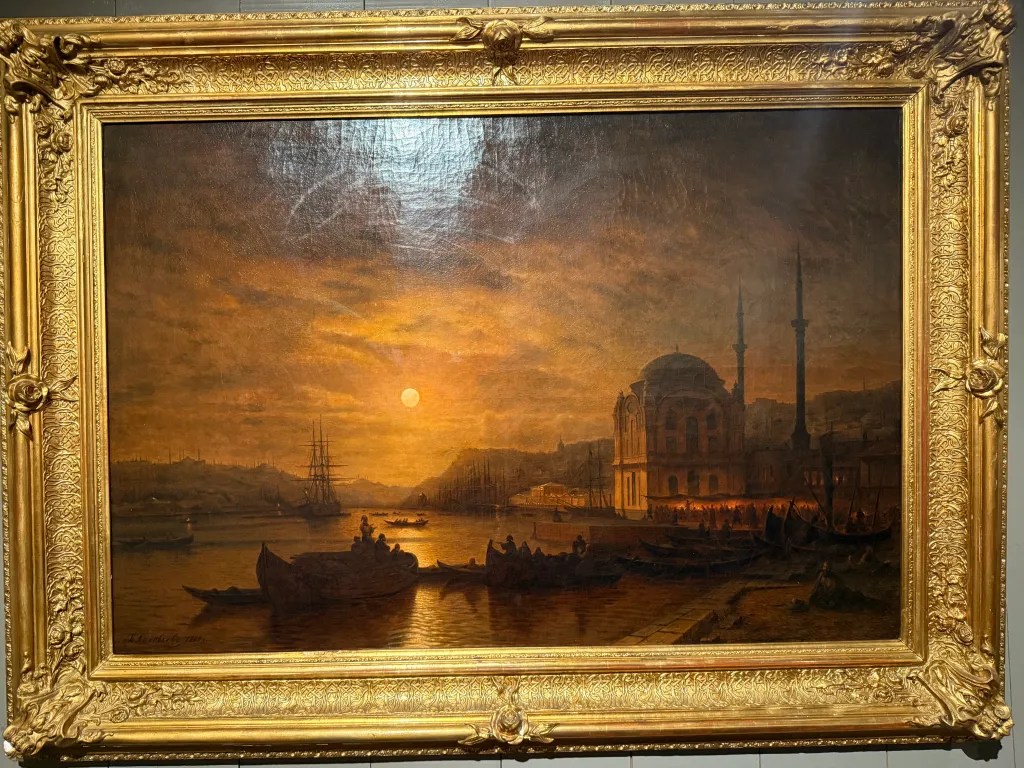
In this batch you’ll find Ivan Aivazovsky, whose 208th birthday was the day I visited – a point the lady at the desk wanted to explain, and said further that Turner admired his work – which was outstanding. Enjoy the first bit, then read and take my testimony…

Yet more of the National Art Gallery

After another long day being a good tourist, paying attention to the tour guide and visiting museums, I went back for a shower and a sleep. Along the way I stopped to snap these…

We’re coming back to Yerevan in a couple of days, but the next morning we headed out to a couple other destinations in Armenia.

Let’s go…

Vardzia to Gyumri

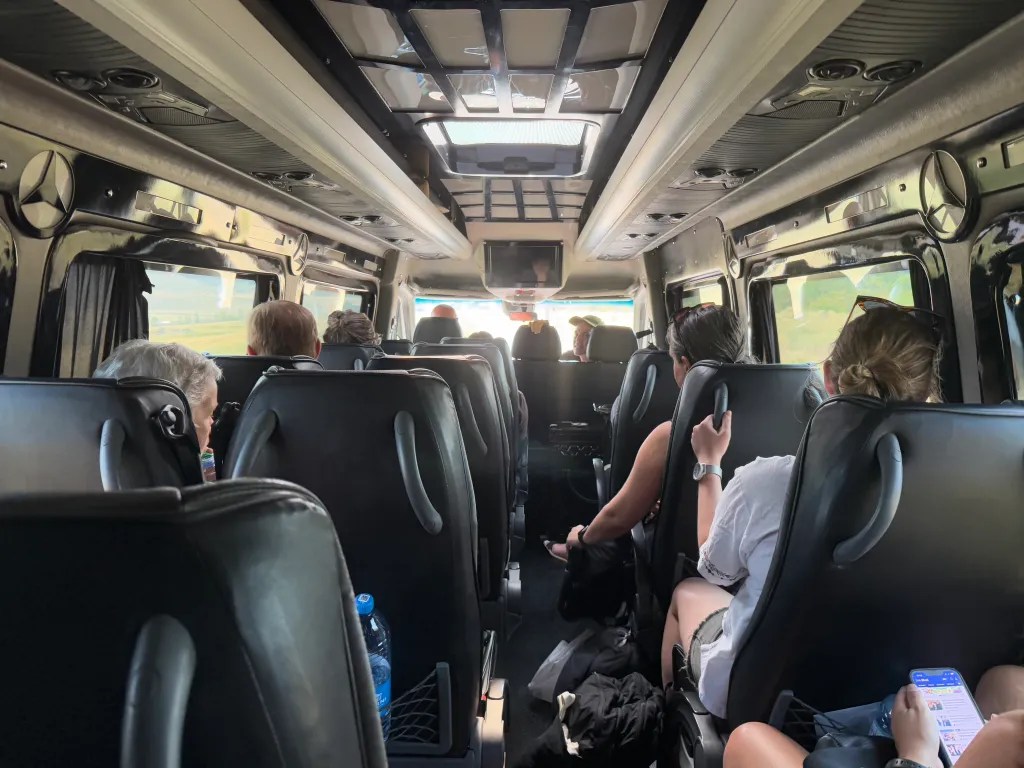
We left Akhaltsikhe for a long traveling day, first going to Vardzia, having a great lunch at a nunnery, then crossing the border into Armenia, and ending the trip Gyumri for short walking tour. This first batch shows our van, our driver & Pavel in the rear view mirror, and some pix out the window…

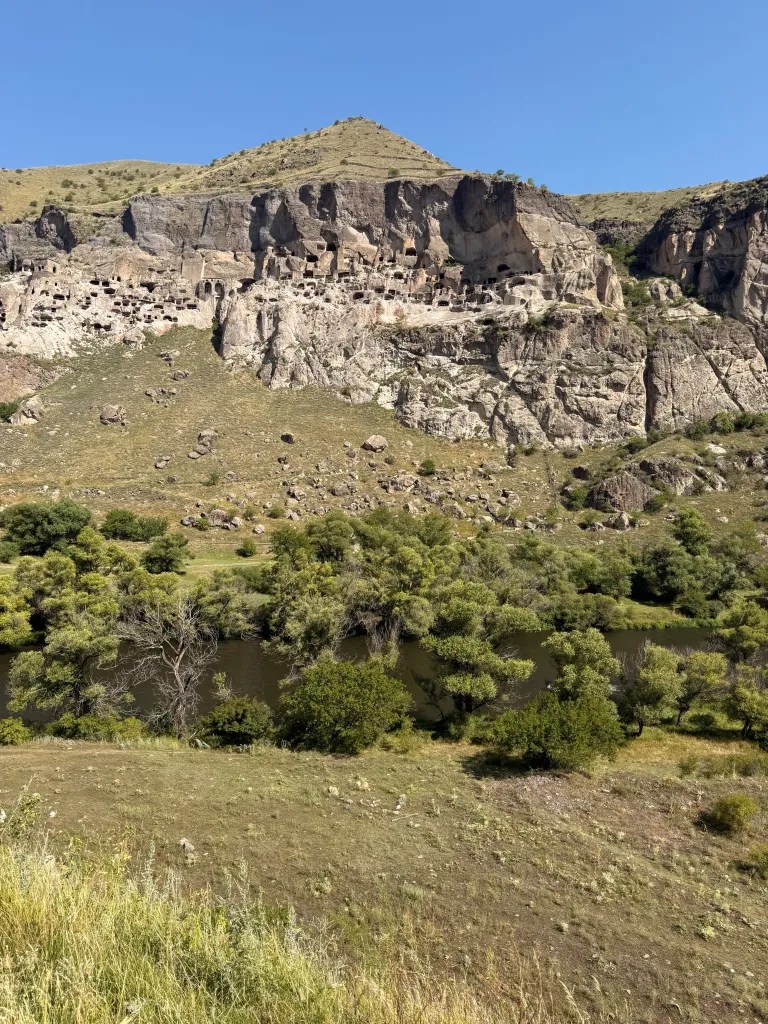
Vardzia is a cave monastery site in southern Georgiaexcavated from the slopes of the Erusheti Mountain on the left bank of the Kura River started in the 11th century, and featuring a long, tragic history. In the 13th century there was an earthquake which revealed the caves that had previously been hidden from below. Later, invading Turks burned the monks to death inside the caves. However, the soot from the fires served to preserve some of the frescos for the centuries during which the caves were uninhabited. The pix in his entire batch were taken at a roadside rest across the river before we actually visited the site…

Having driven up and hiked to the caves of Vardzia, this first photo looks back at the place were I took the previous batch. In addition to some swallows, this batch features the monastery’s church and some pix, surreptious and otherwise, of the blackened frescos dating back centuries…

More of amazing Vardzia. Amazing there is a natural spring in the cave complex that provides water for the monks. You can’t get to the actual spring (behind glass), but you can sample the holy water!

While Vardzia started with natural caves or rock alcoves, much of the complex was made by years of hewing stone by hand – the tunnels and the stairs in the tunnels. Amazing to see the actual carvings on the ceilings!

Here’s just a sample of the many caves and tunnels. This batch ends with a trip down the secret tunnel back to the bottom of the cliff…

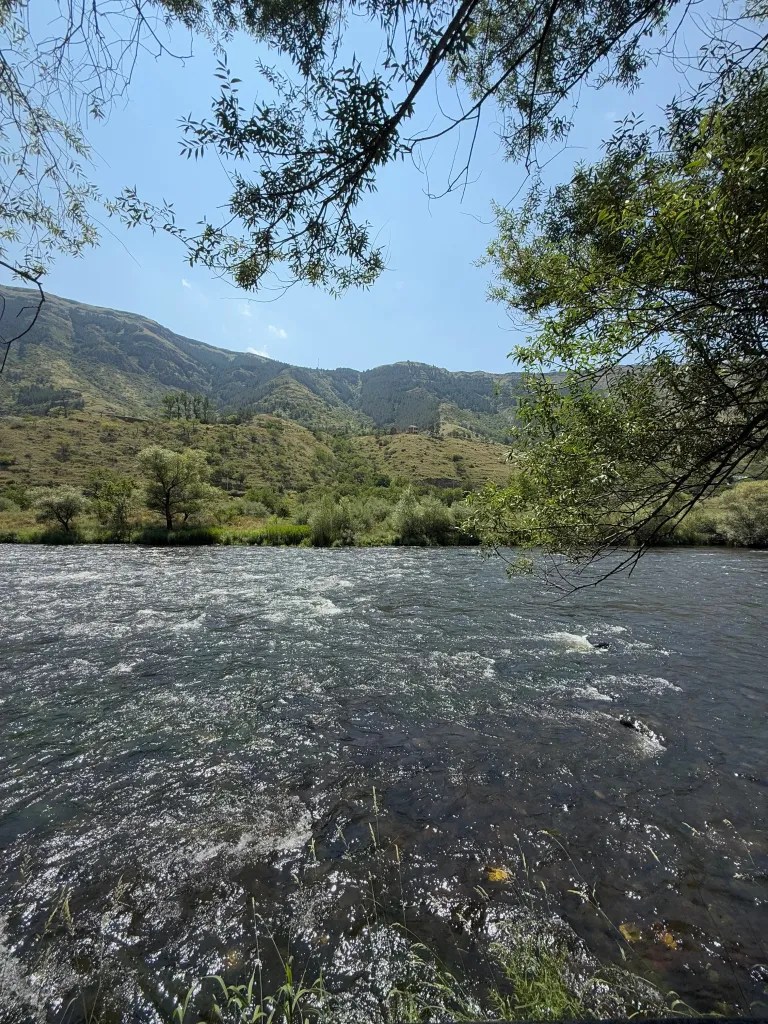
From below, down by the river side, and from the bus window driving away…

Next, we went to small convent up on a mountain for lunch. Only three nuns live there supported by other local women.

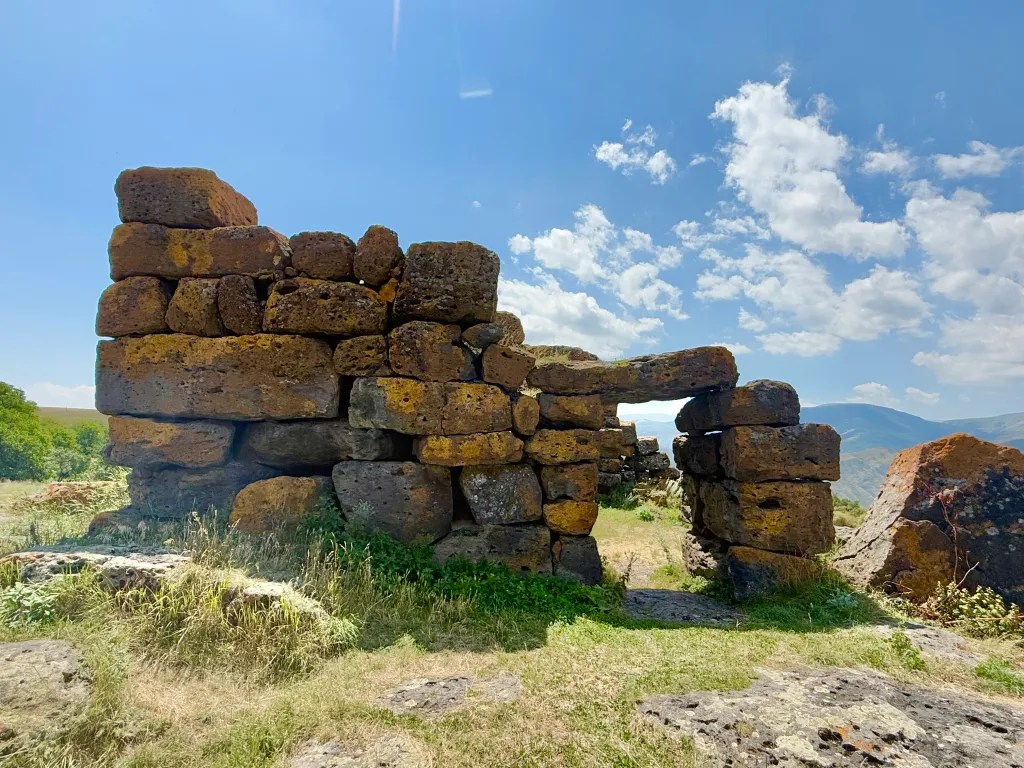
Adjacent to the site are ancient megalithic structures that predate Christianity by millennia. Pavel estimated they may harken back to 5000 BC…?!

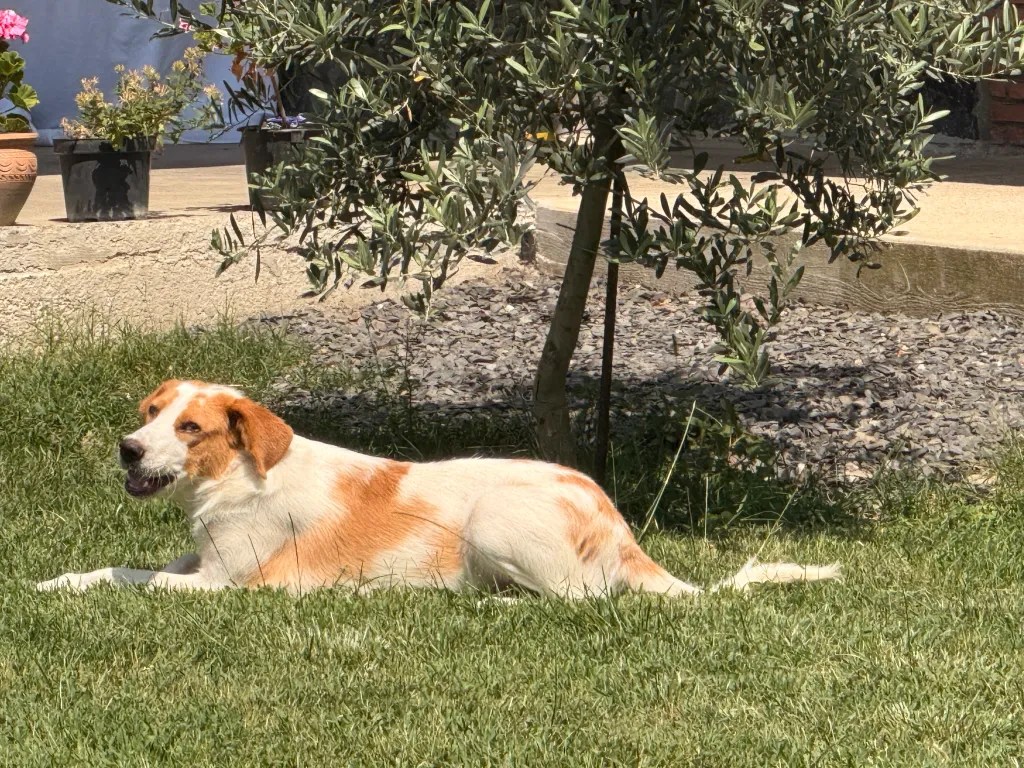
The lunch was outstanding, local, organic, fresh, and delicious. Loved the hands-free iPhone usage by my new friend. Big dog, lots of flowers…

In this next batch we have crossed the border from Georgia into Armenia. However, got no pix because, as you know, its generally not cool to take photos at border crossings.

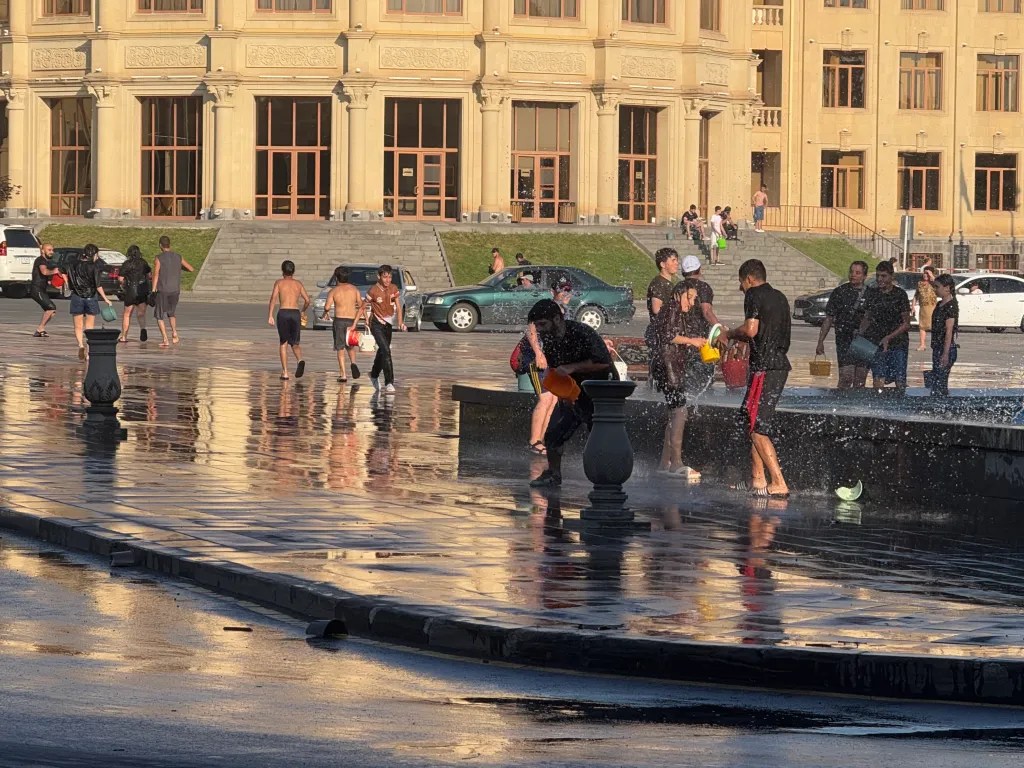
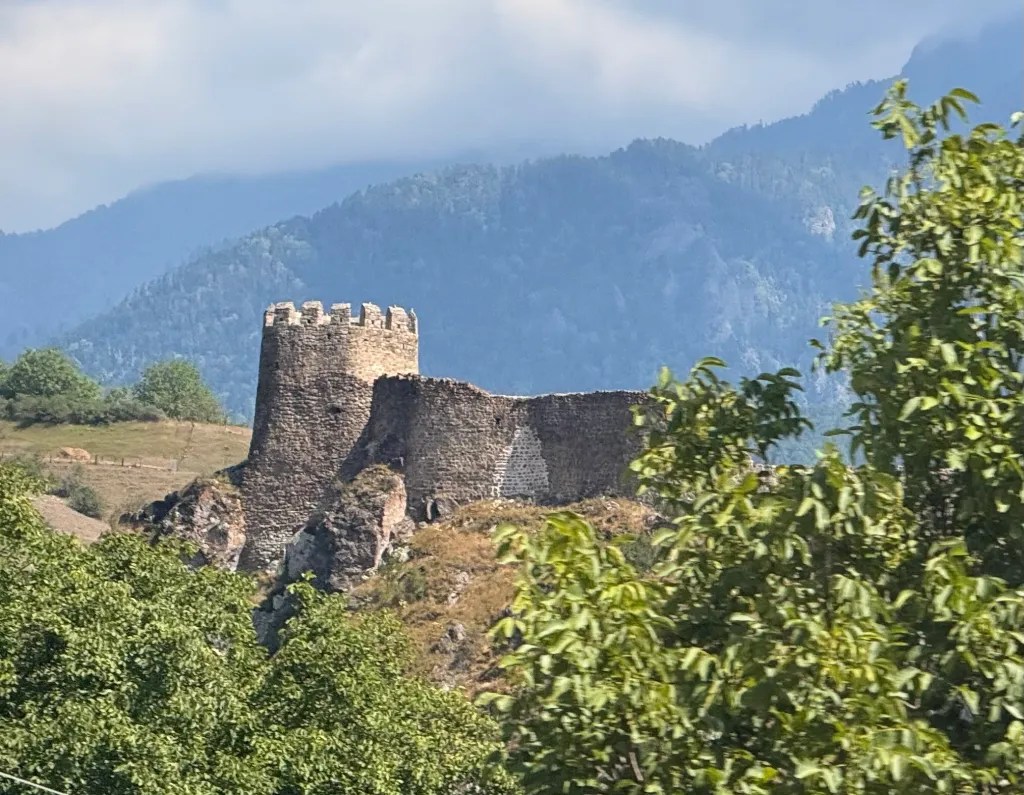
Random views from the road: ramshackle shacks, random castles, hay!, stork nests on power poles, kids, cows, and apparently today is water day in Armenia – Vardavar – when it’s OK to douse people!

Vardavar’s history dates back to pagan times. The ancient festival is traditionally associated with the goddess Astghik, who was the goddess of water, beauty, love, and fertility. Get wet!

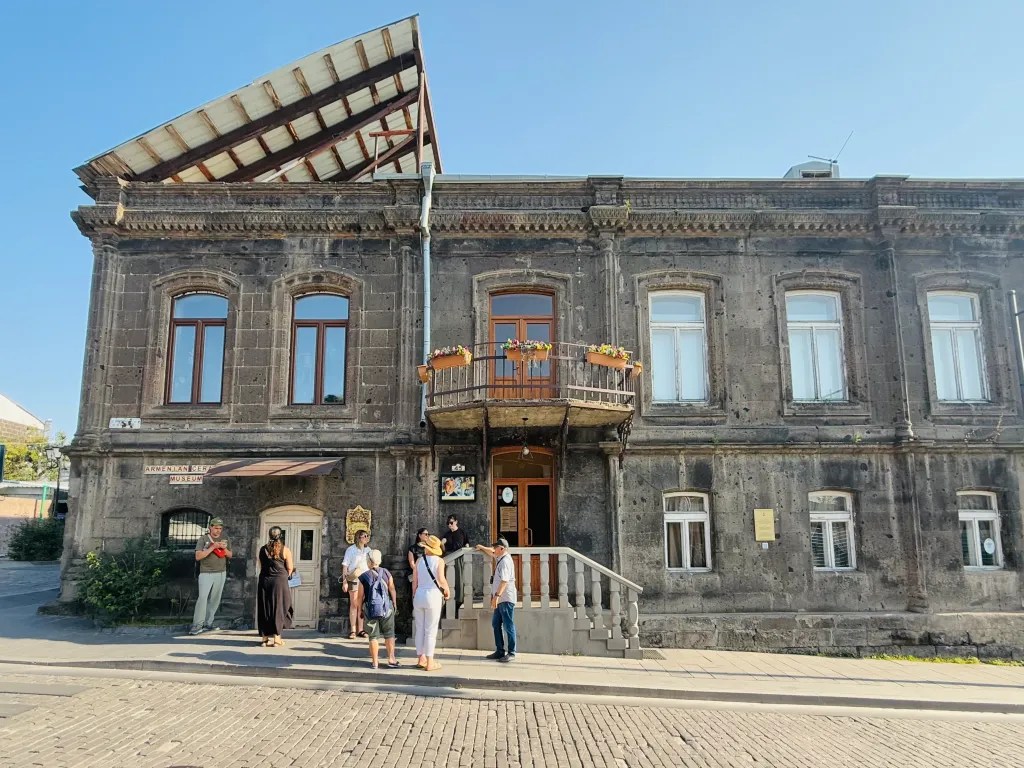
Finally, we arrived at our hotel in Gyumri. After freshening up, we took an architecturally-focused walking tour with a local guide named Ashot. This batch features buildings and statues he pointed out…

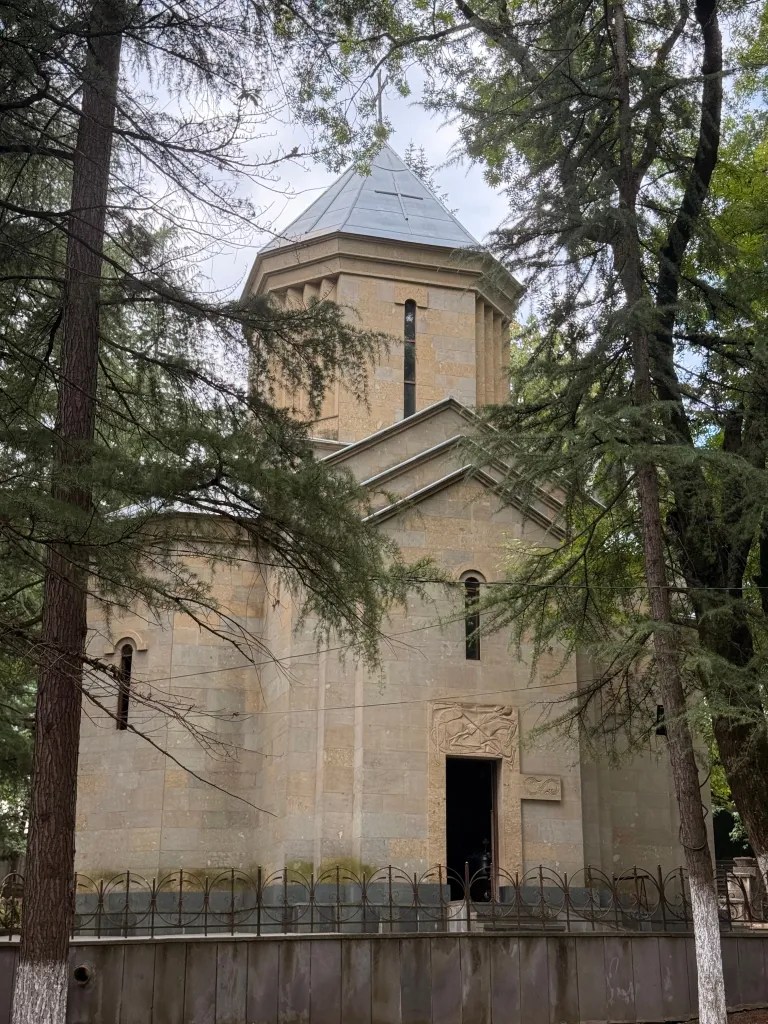
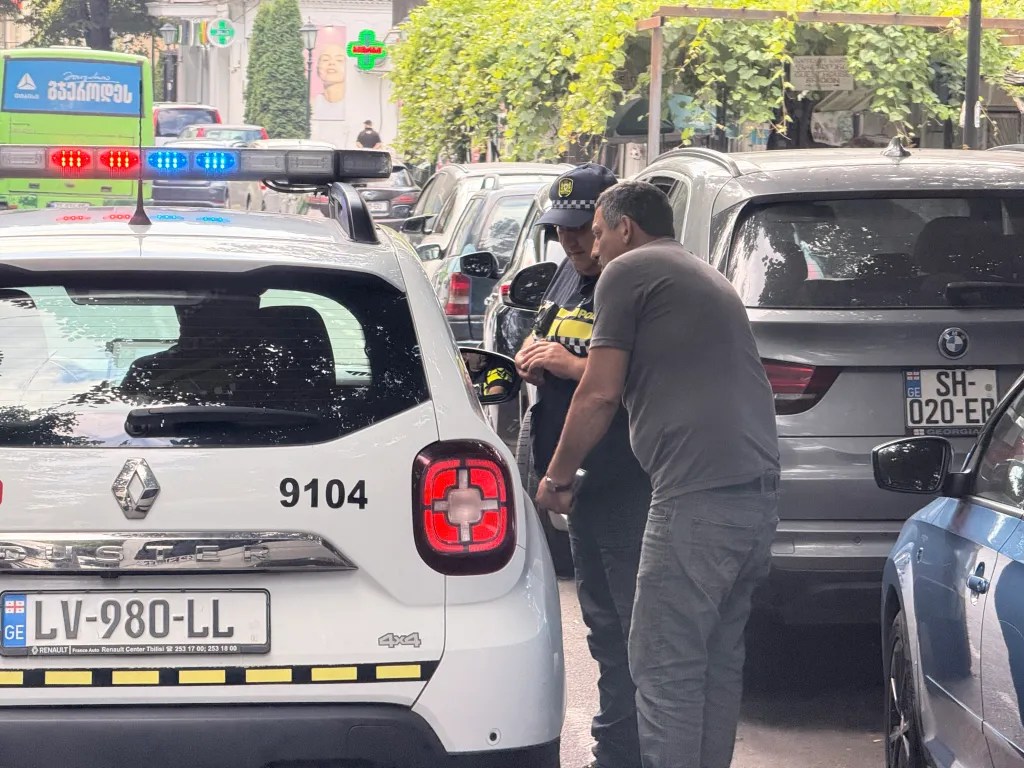
More from our walking tour in Gyumri, including some fun randomness, more hijinx with water for Vardavar, some interesting police action, and the large local cathedral, restored after an earthquate…!

Inside that church, Cathedral of the Holy Mother of God. And outside: the anecdotes wall, miscellany, another church, more miscellany, more dogs, and this batch ends with the picture in my hotel room…

After a leisurely morning in Gyumri, we eventually took the train to Yerevan

Borjomi to Akhaltsikhe

We left Kutaisi and drove in a new van with a new driver to the town of Borjomi, another place famous for the waters, unknown until popularized by the Romanov Czars (Tsars?). This first batch shows Borjomi as we walked through it up to where we officially started our hike…

This batch starts with Pavel discussing a sign as he led us on our walk along the river, including some resort amenities and waterfalls.

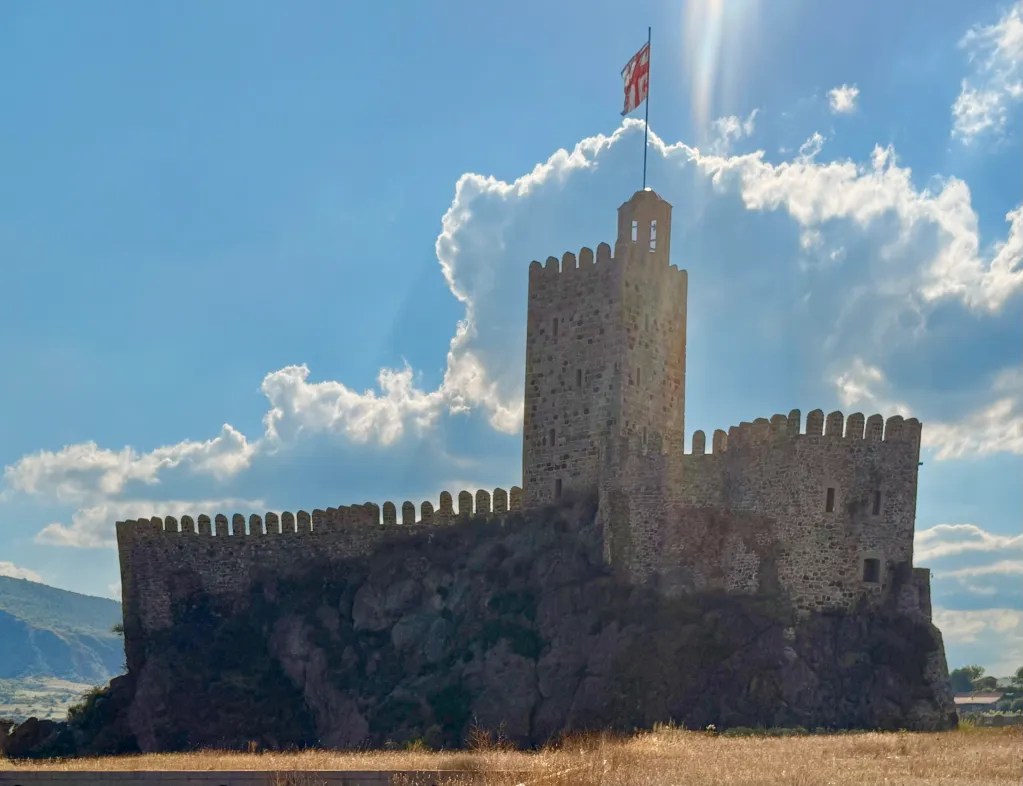
This batch starts at the top of our forest walk and ends with pix in and around our guesthouse in Akhaltsikhe. But it includes our bus/van driver getting a ticket from an angry Georgian cop, and shots of a castle we passed on the road.

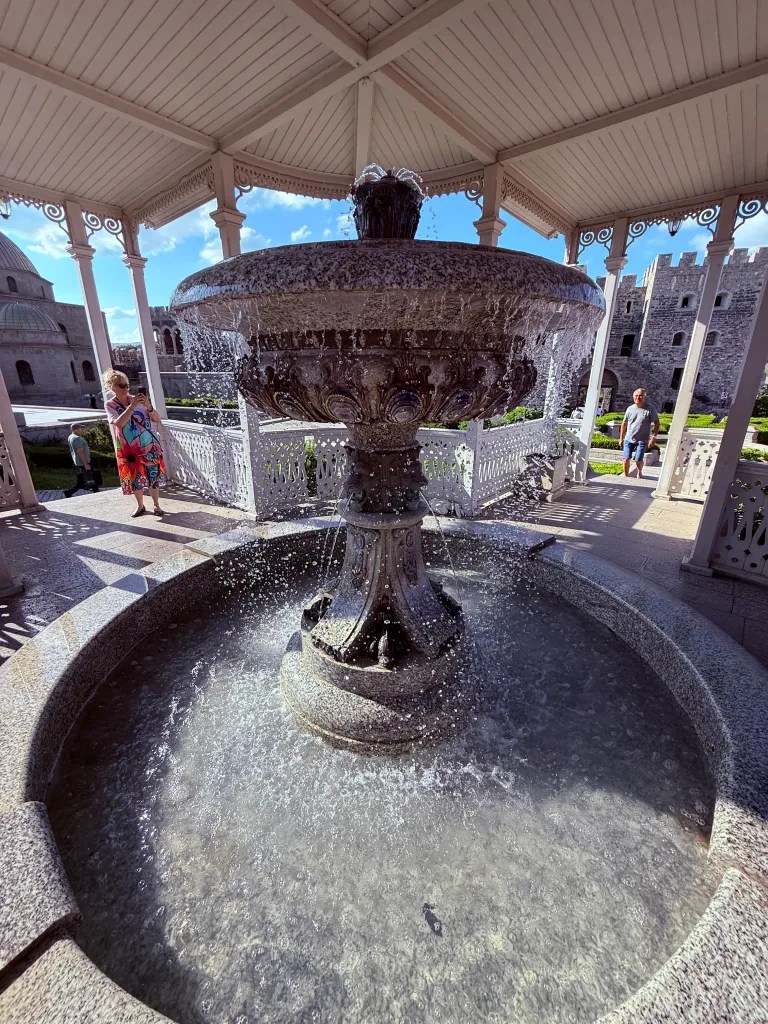
The main feature in the town of Akhaltsikhe is Rabati Castle, a nicely restored medieval fortress harkening back to the 9th century. It features both Christian and Muslim aspects, like the large domed mosque in this batch…

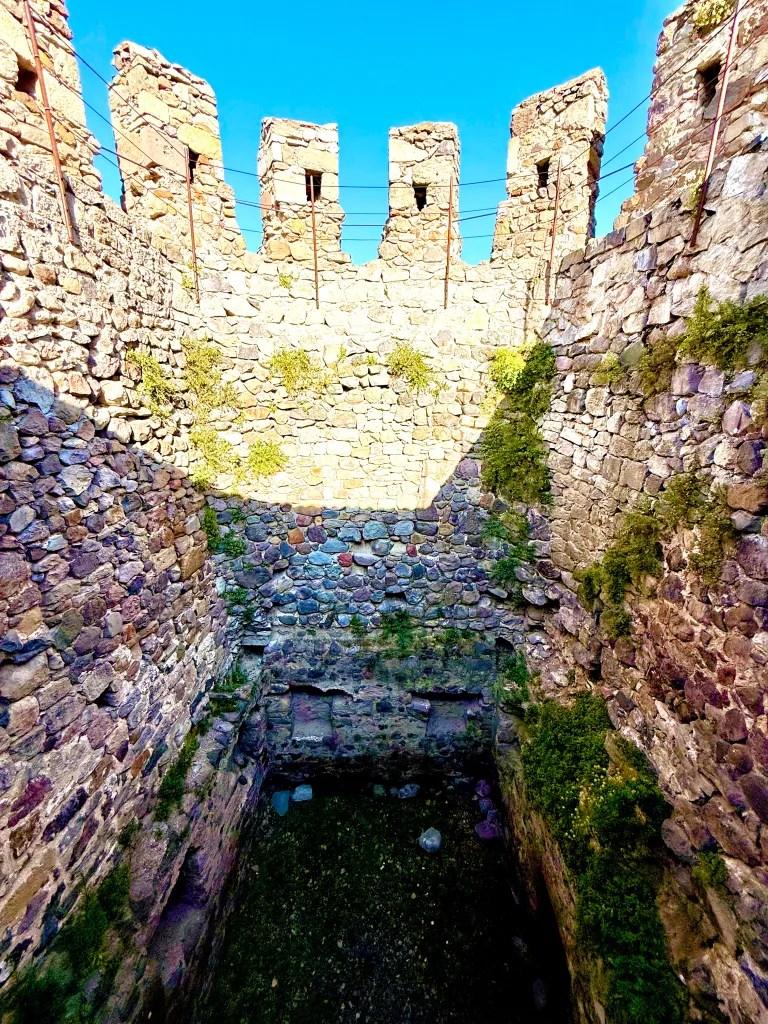
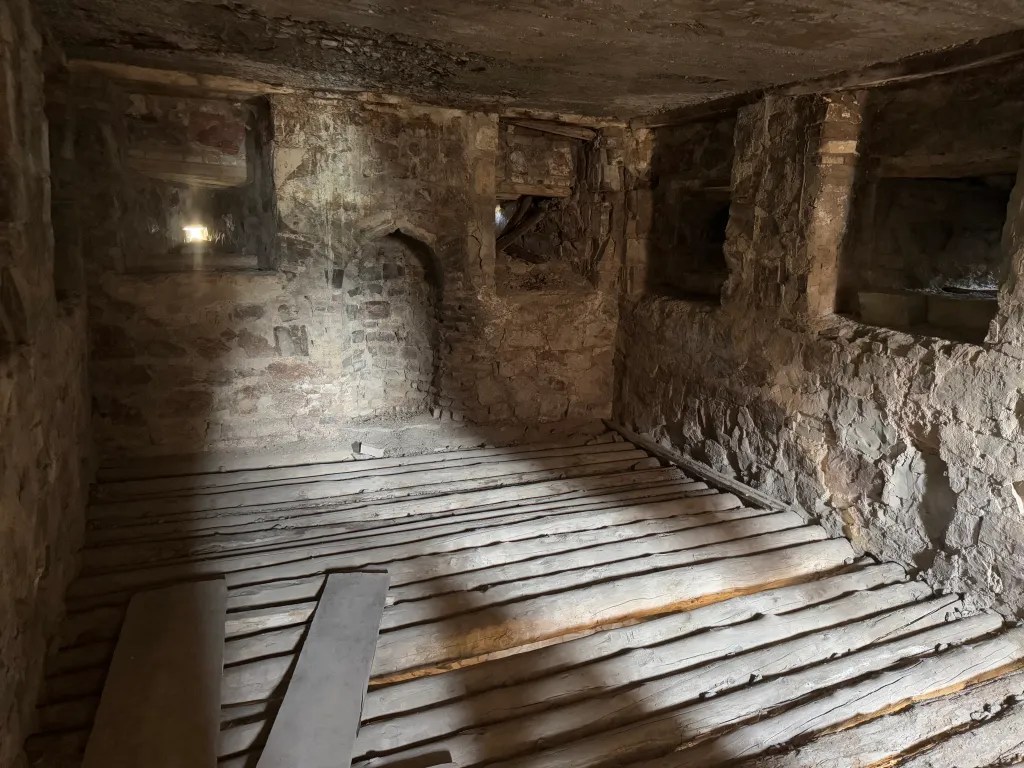
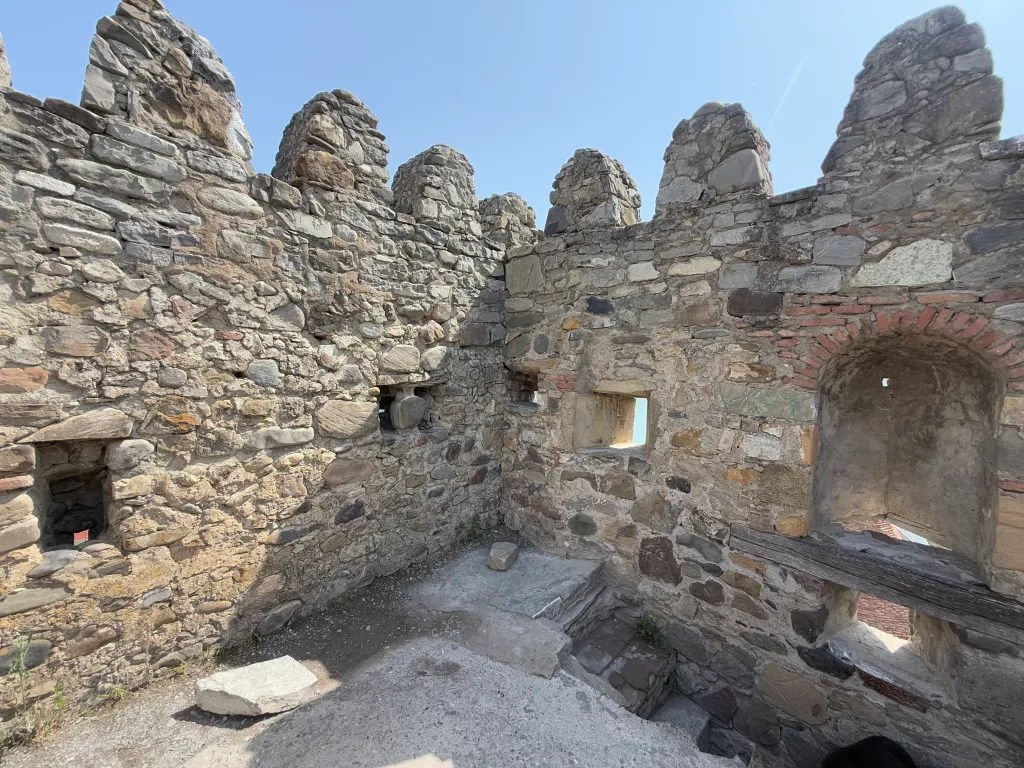
More of Rabati Castle, including a trip to the top of the tower…

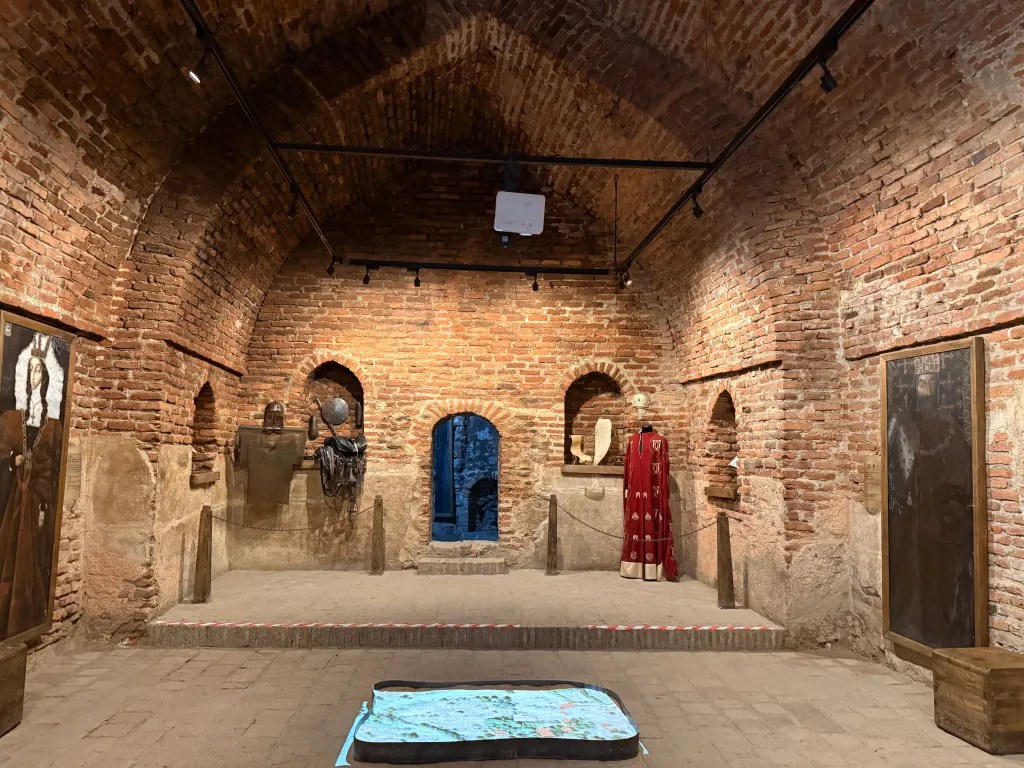
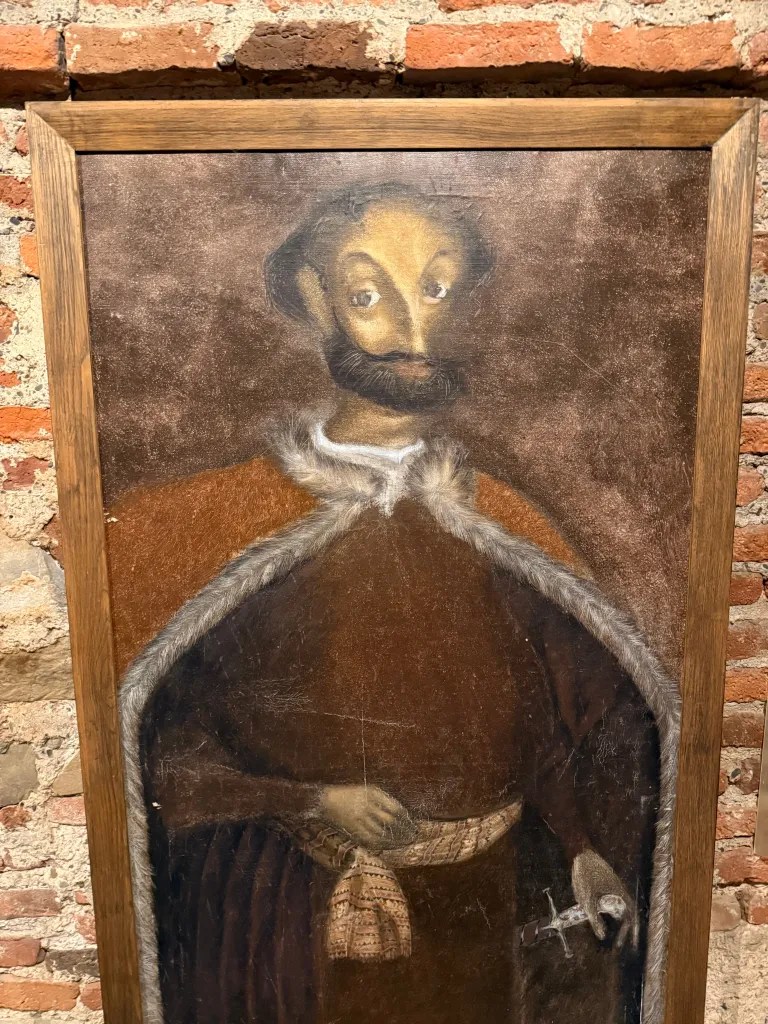
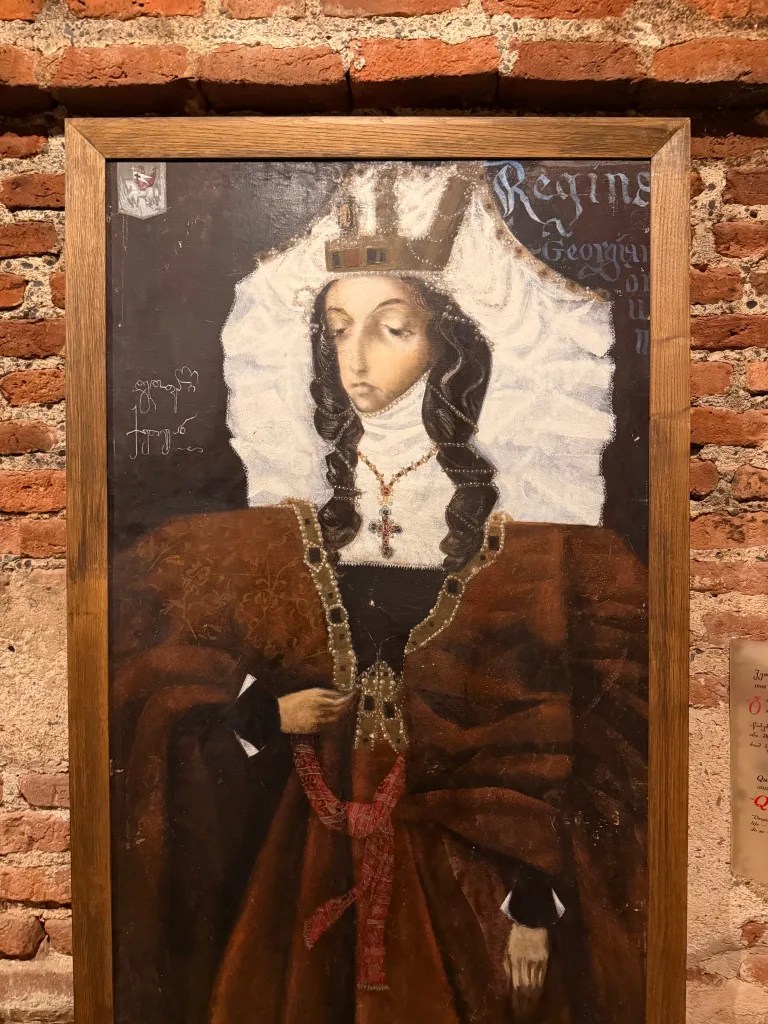
Of course, I went to the museum inside the Rabati Castle

Yet more of Rabati Castle

Some views on the walk back to the guesthouse, including a stop for dinner…

Every day is full, busy, rich!

Let us now rest.

Kutaisi to Tskhaltubo

Our only early start (7:30) took us to the train station to take four hour ride to Kutaisi – after breakfast of course. This batch ends with a lil’ time lapse – choo choo

Arriving in Kutaisi, we first went to local place for lunch and took a tour of the town. Note the Soviet-era monuments…

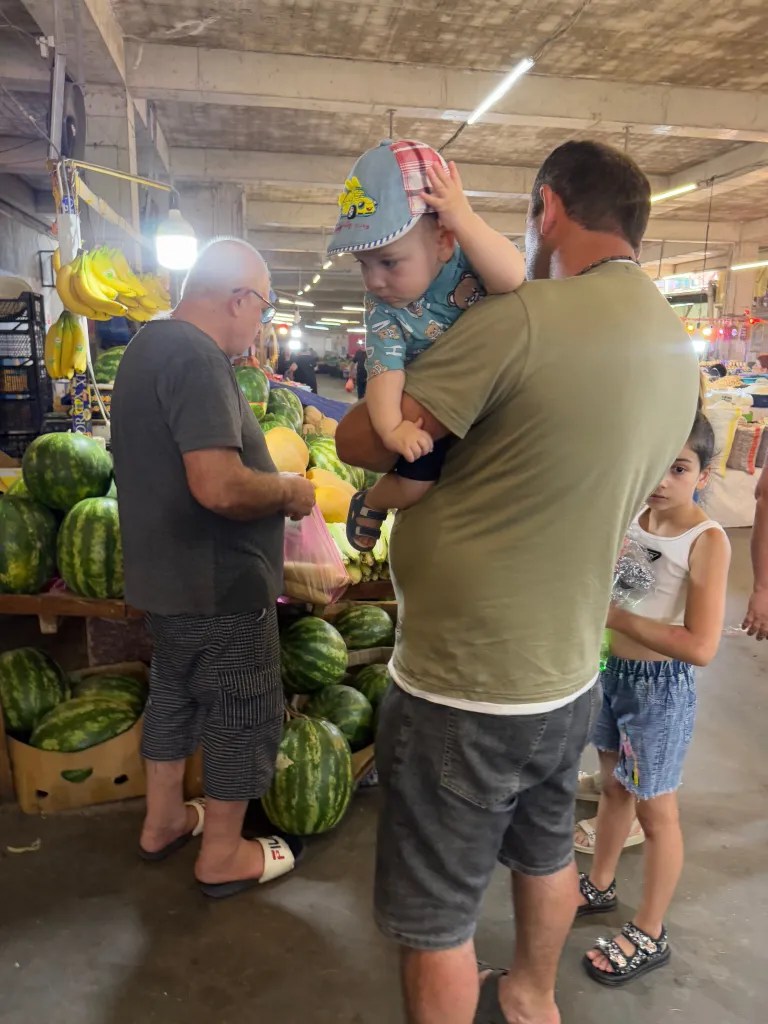
One of the oldest continuously inhabited cities in the world, Kutaisi is found on the Rioni River. As one does, we took a walk through the green market, in addition to checking out some public art and random critters…

More of our walking tour.

Afterwards, I took a nap back at the guesthouse, which was followed up with a really great dinner put on by our hosts. Incidentally, the owners of the Hotel Balanchine are related to the great dance icon George Balanchine. This batch ends with a timelapse from the little gondola in town…

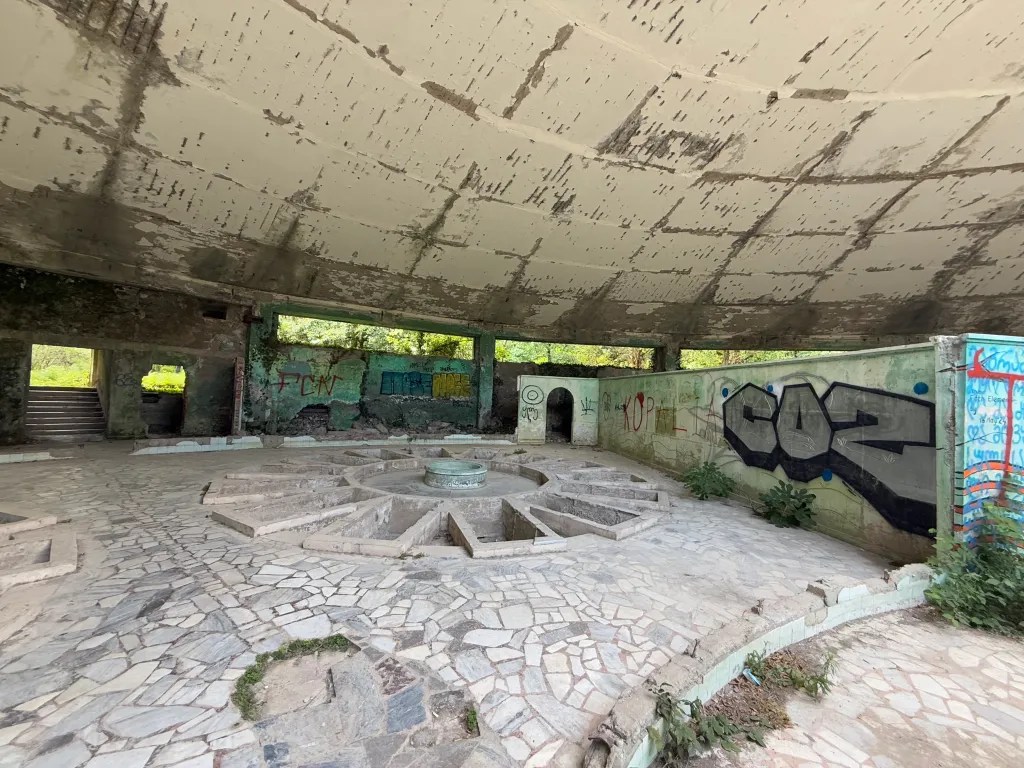
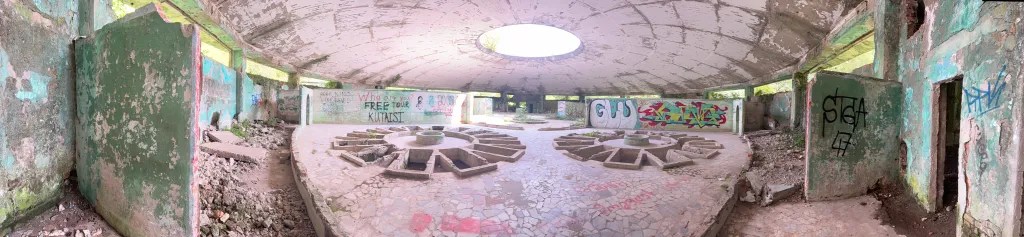
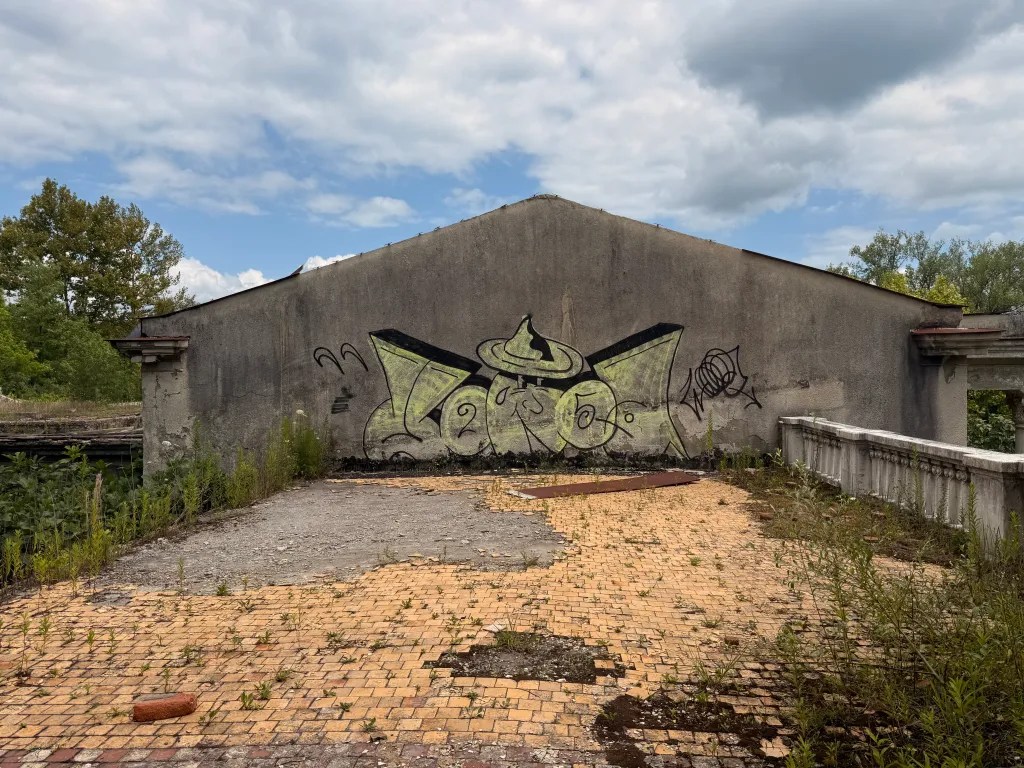
The next morning, we loaded in a couple of vans again to go to Tskhaltubo, a spa resort once loved by Josef Stalin and focusing “on balneotherapy for circulatory, nervous, musculo-skeletal, gynaecological and skin diseases, but since the 1970s its repertoire has included “speleotherapy“, in which the cool dust-free environment of local caves is said to benefit pulmonary diseases.” While it still operates, and we were offered the opportunity to have a “procedure,” much of it is in ruins, having fallen into disuse after the collapse of the Soviet Union. This batch includes an old spaceship-styled spa, now in decay…
,

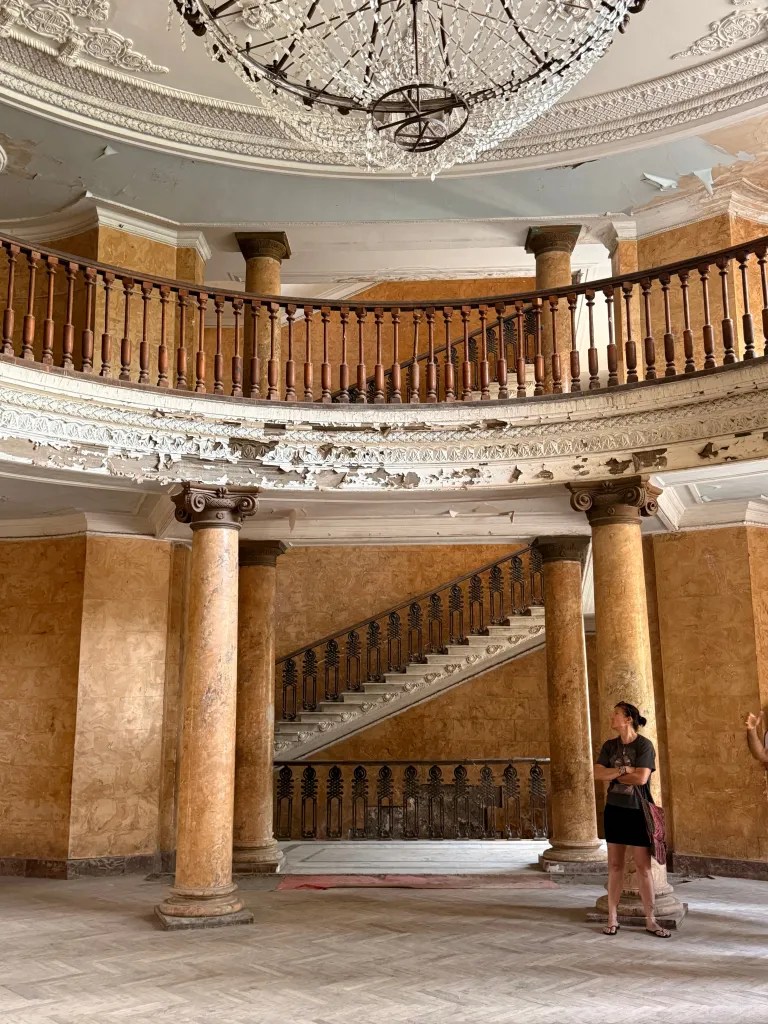
Next we drove to another large resort hotel, now dilapidated, but still occupied be a few unfortunate (or not?) Georgians…

Again, we piled into the vans and went to another, perhaps more spectacular example of post-Soviet entropy…

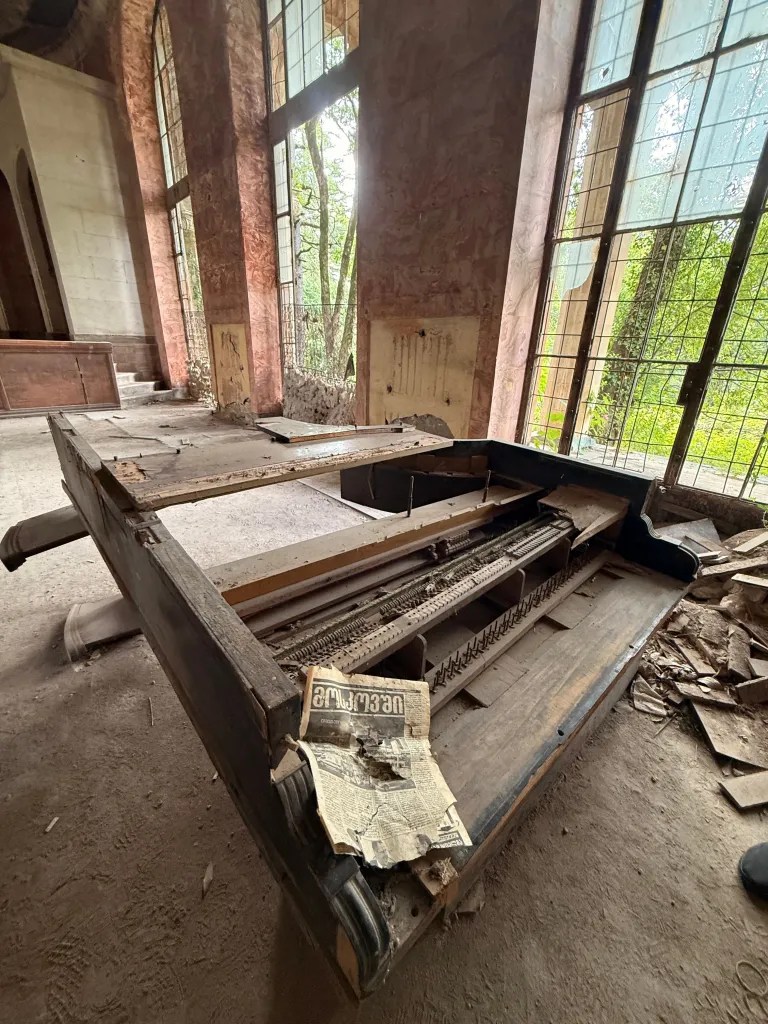
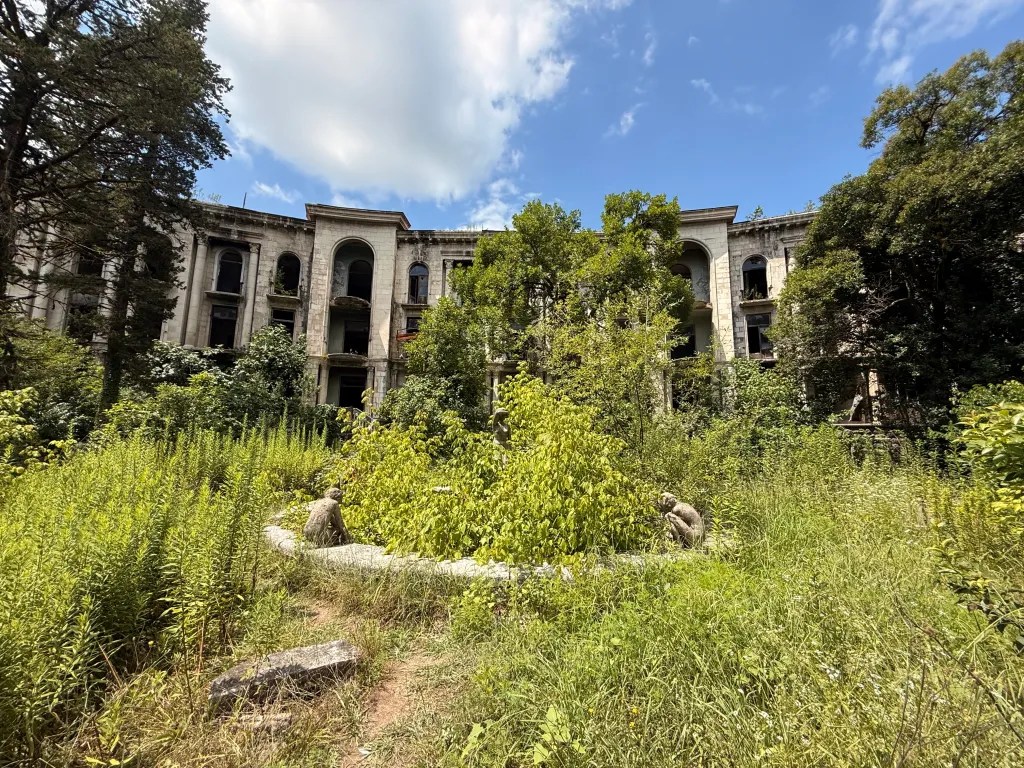
The Sanatorium Medea is another example of the ghost towns of Tskhaltubo….

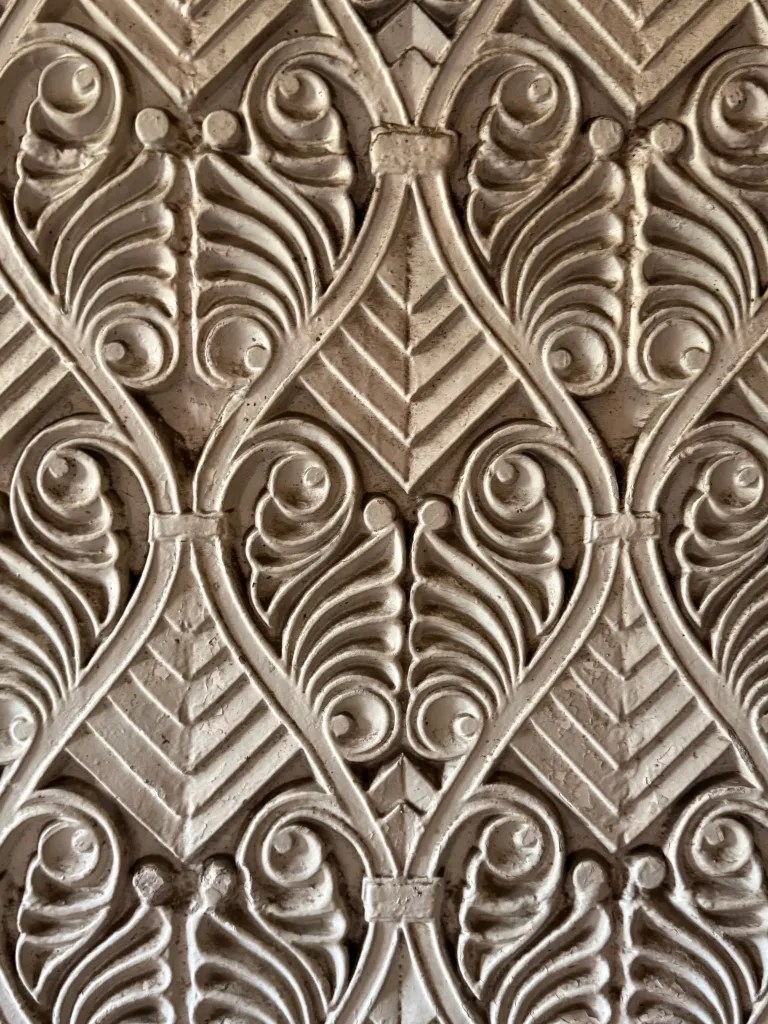
You know! I have a soft spot for rusty metal bits, peeling paint, crumbling plaster, broken glass, and the art of nature reclaiming its molecules…

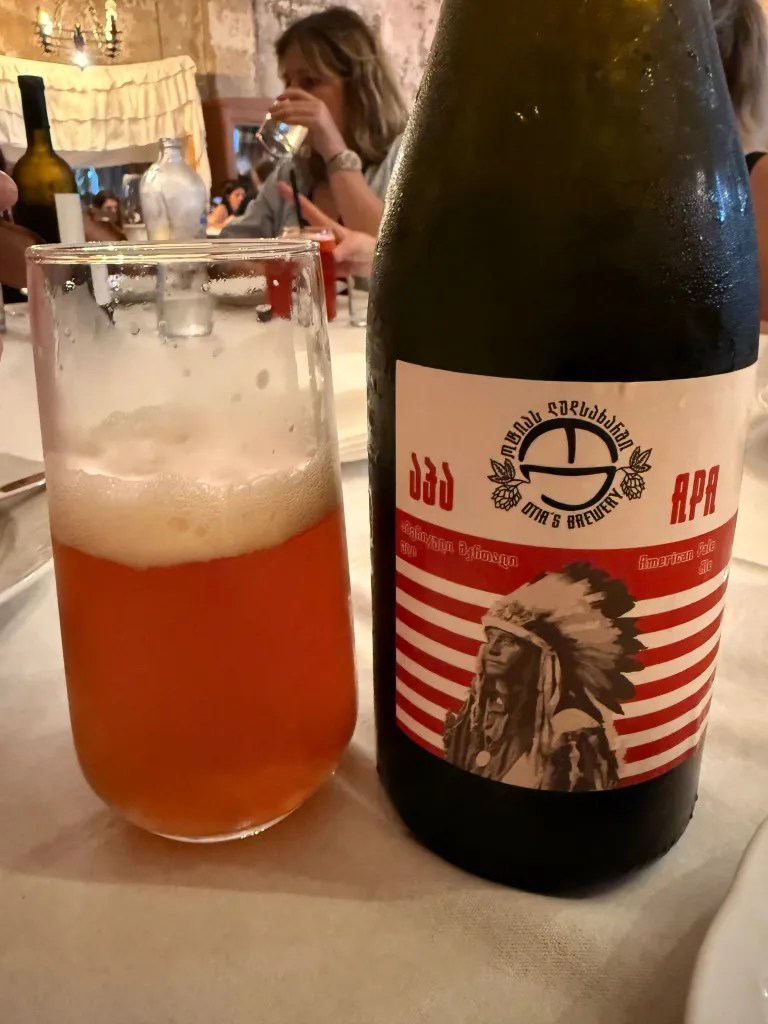
Almost adjacent to the sanatorium was the home of the famous Georgian writer Otia Ioseliani which is also a winery/brewery which does spirits as well. That’s where we took a tour – grandpa’s salon is now a museum – with the author’s grandson, and then had a particularly wonderful wine tasting experience.

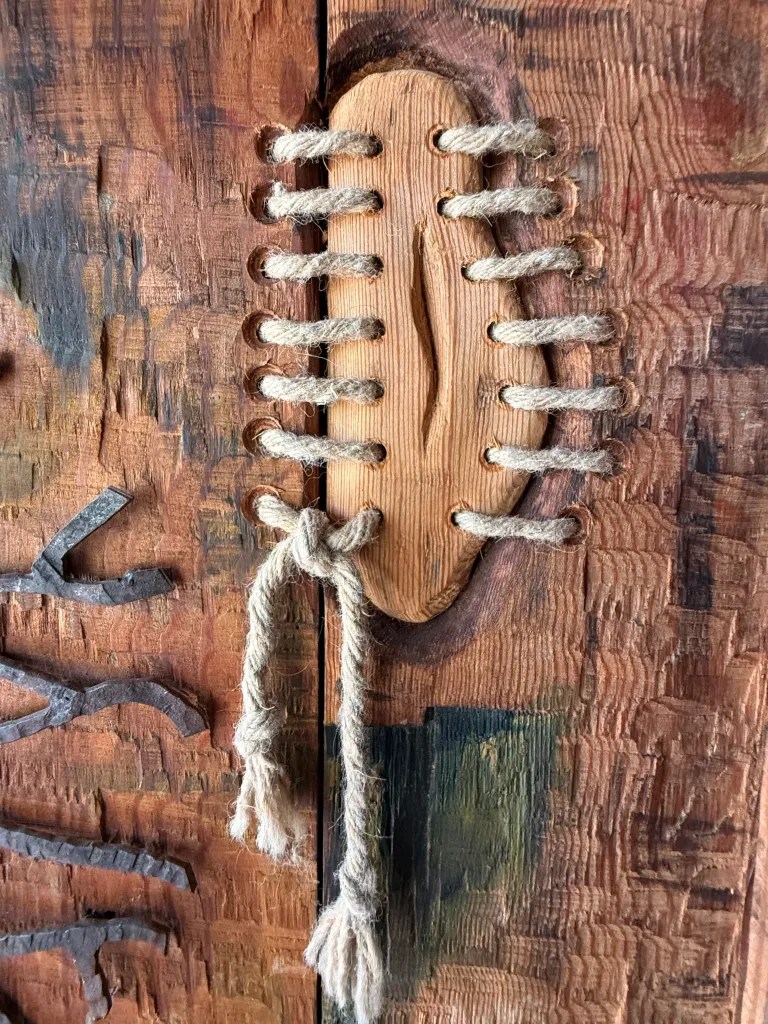
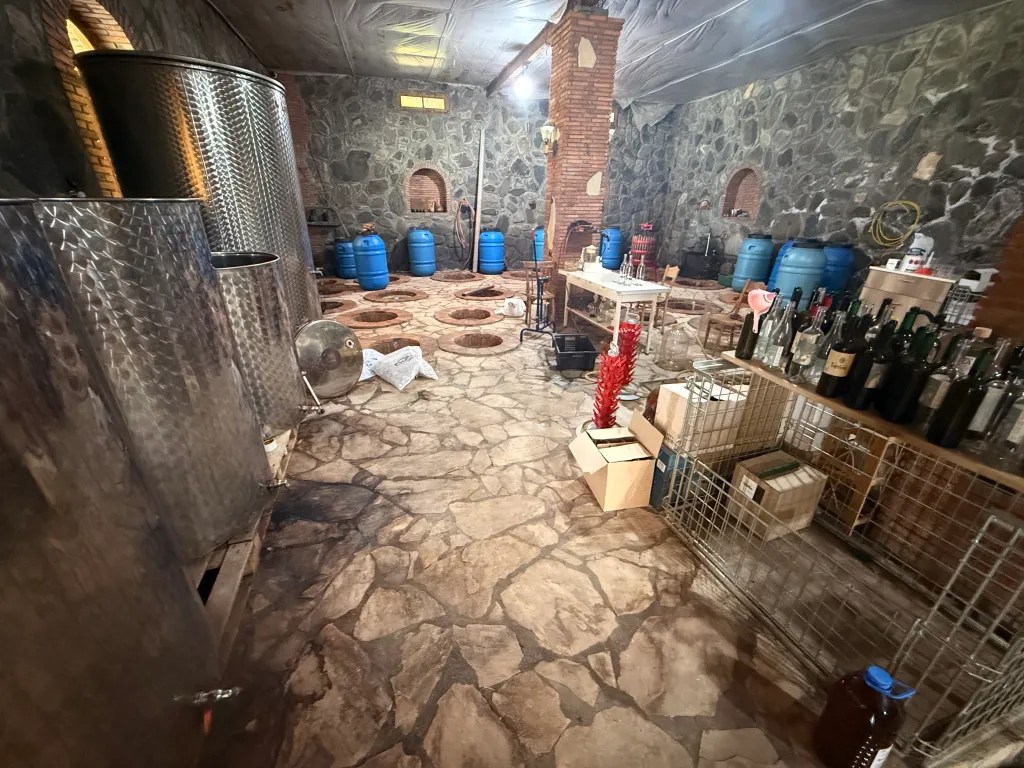
Here’s the winery/brewery and cellar and art and more…

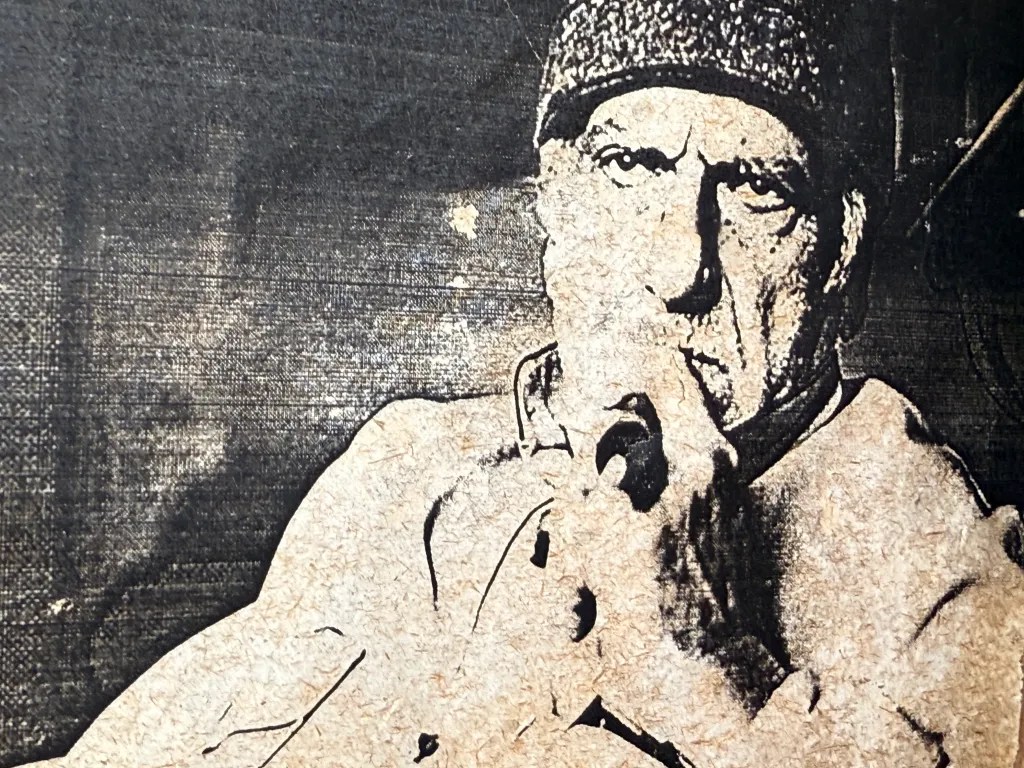
Here’s the salon, now museum, just as Otia Ioseliani left it when he died in 2011. There were whole cases of his books translated into various languages as well as many pictures and sculptures of the writer and artist. Note the framed drafts showing his writing process at the end of this batch…

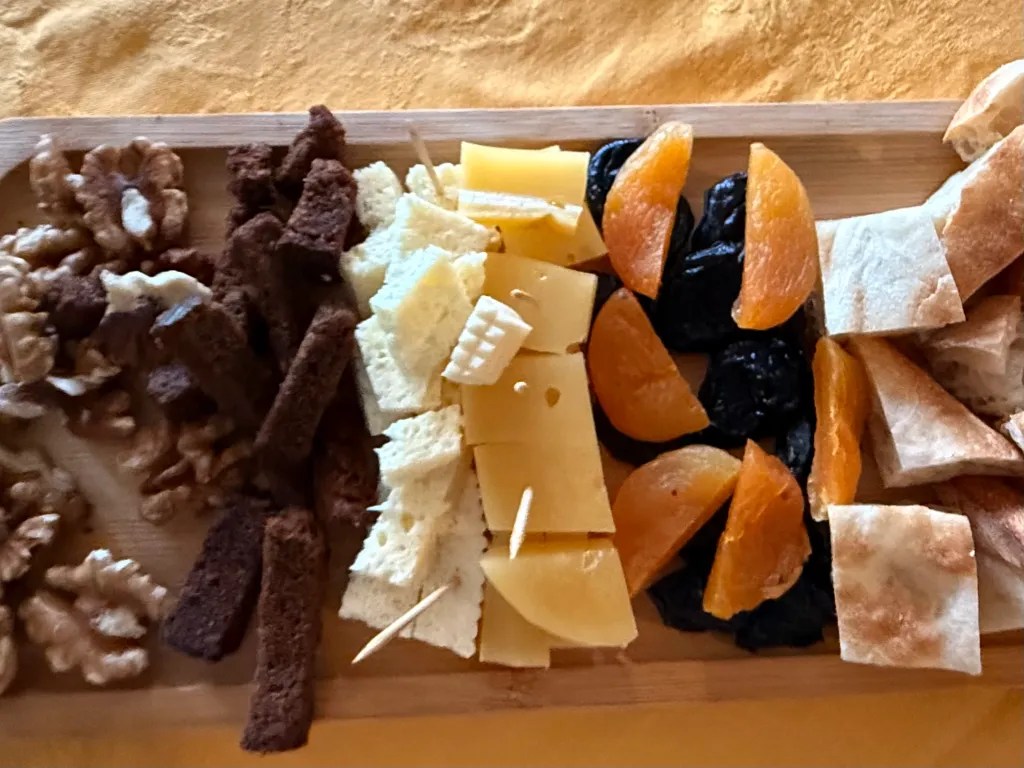
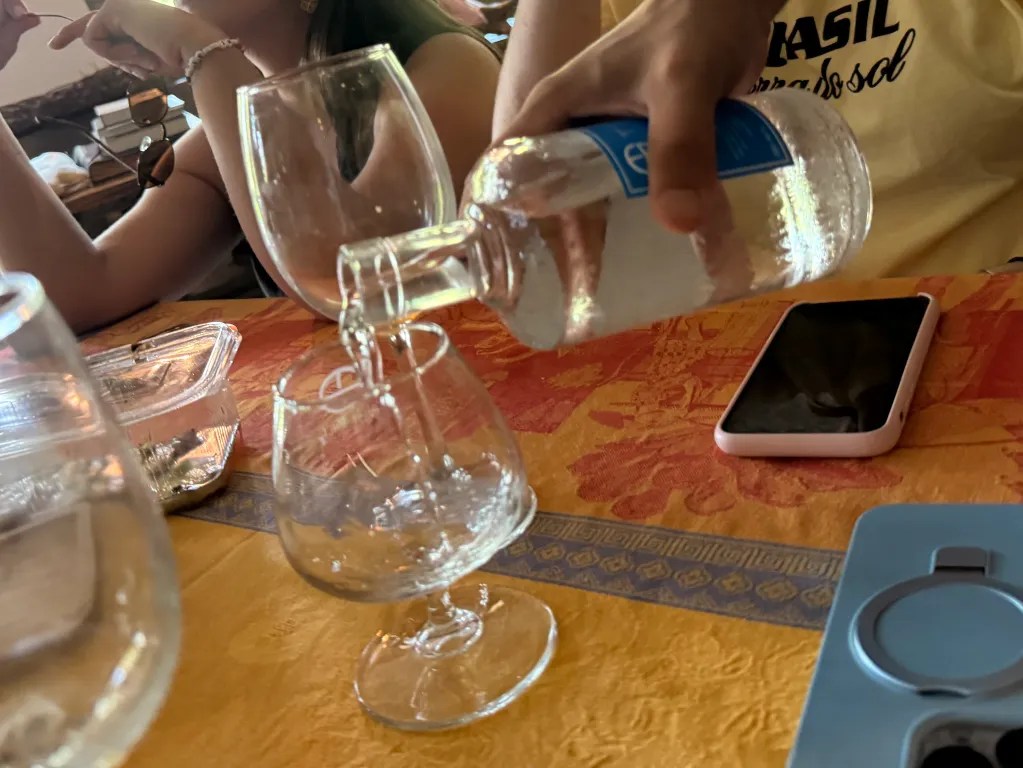
Then came the wine, beer, and spirits tasting, accompanied by appropriate nibblies. All together, a top notch experience!

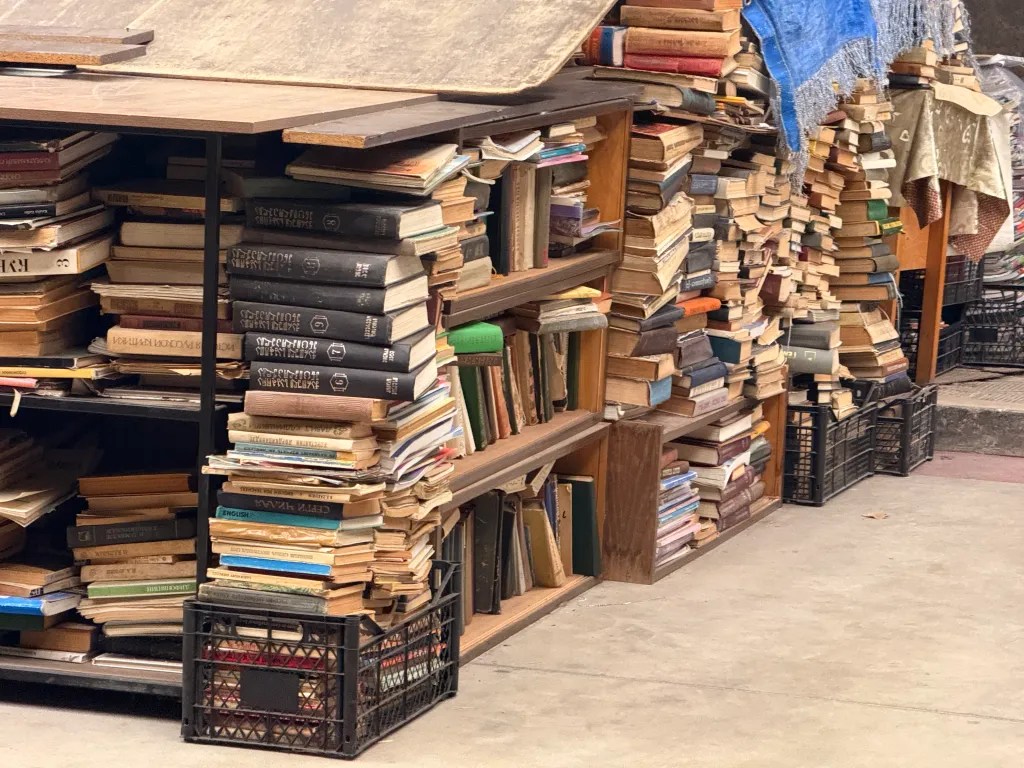
We made it back to the hotel for a nice nap before heading out again for a nice dinner at Sisters. Did I mention that Kutaisi is considered a city of books? In any case, this batch/post ends with a pic of Pavel which I did not take, but merits inclusion herein…

What’s next…?

Find out soon…!

Tbilisi, Part 2

The next morning, we took a more thorough walking tour of the city, albeit we revisited some of the spots I’d visited the day before. Certainly, the breakfast was similar, as was the clock tower, but this time I had the benefit of a guide to interpret and elucidate.

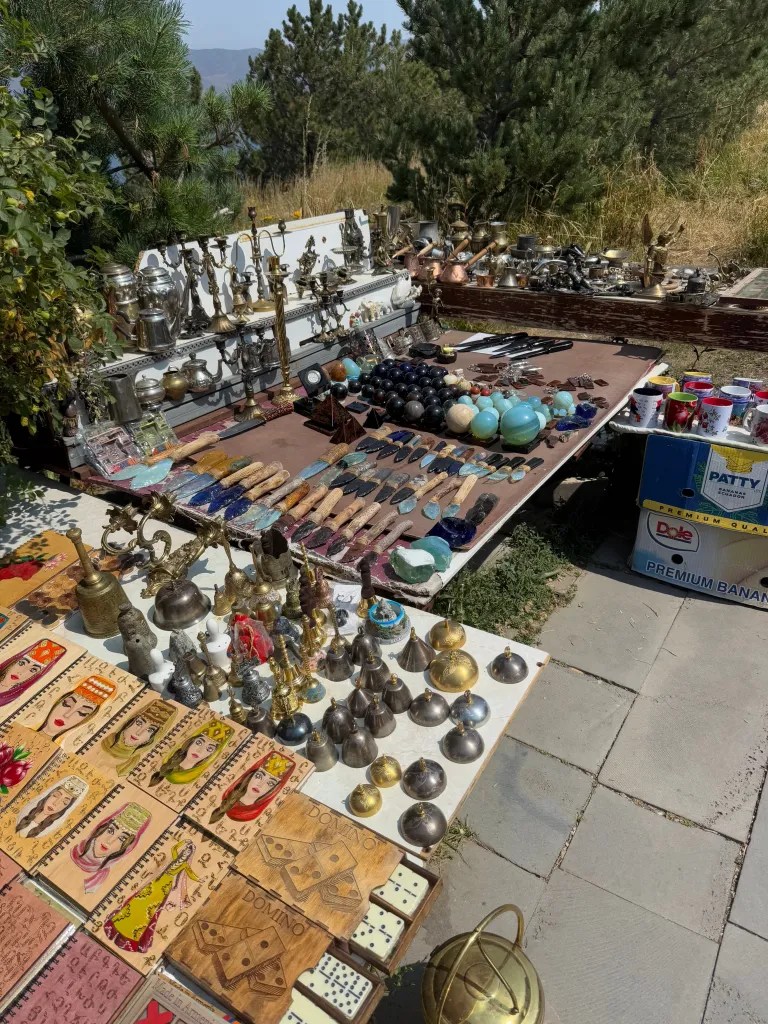
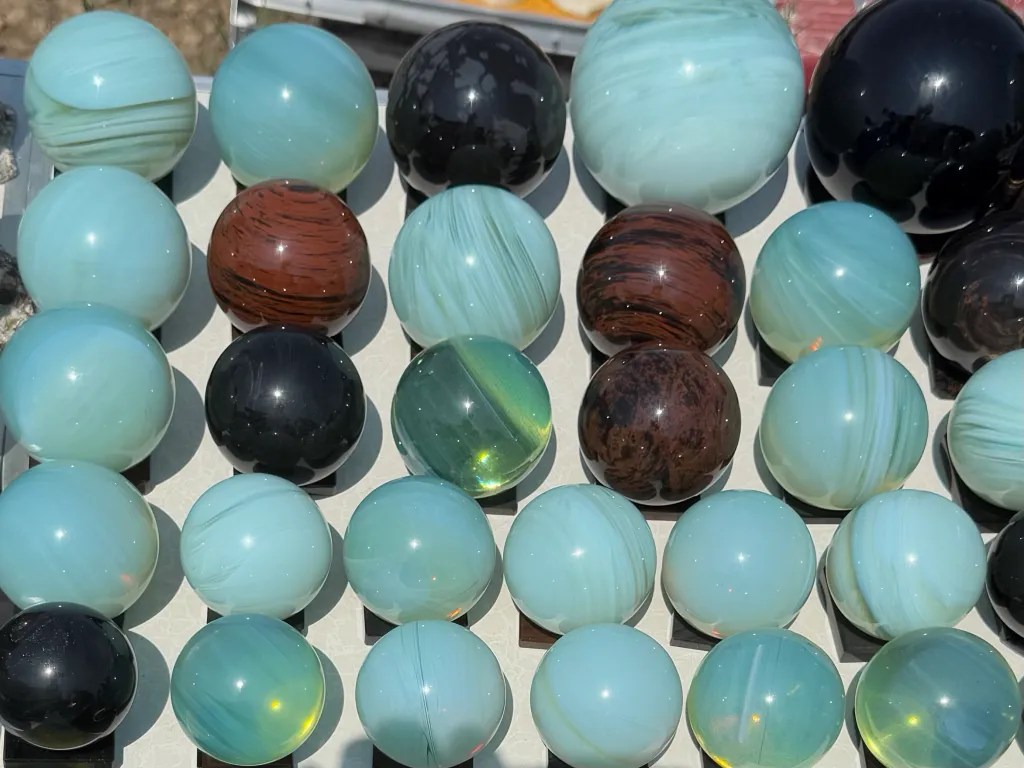
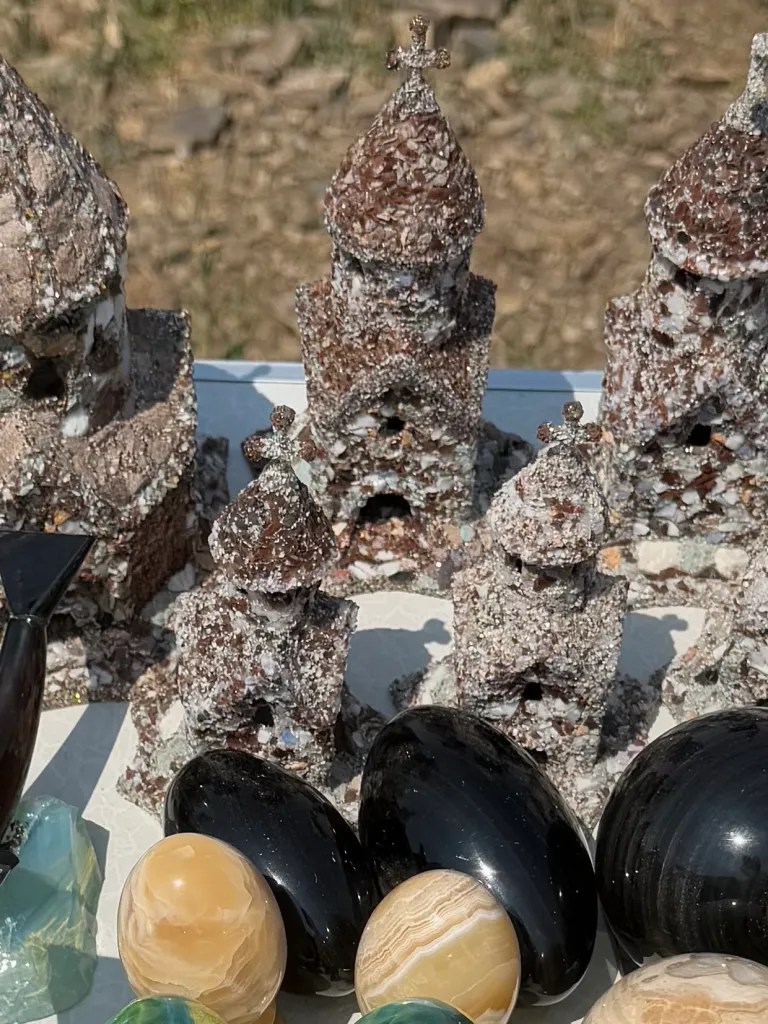
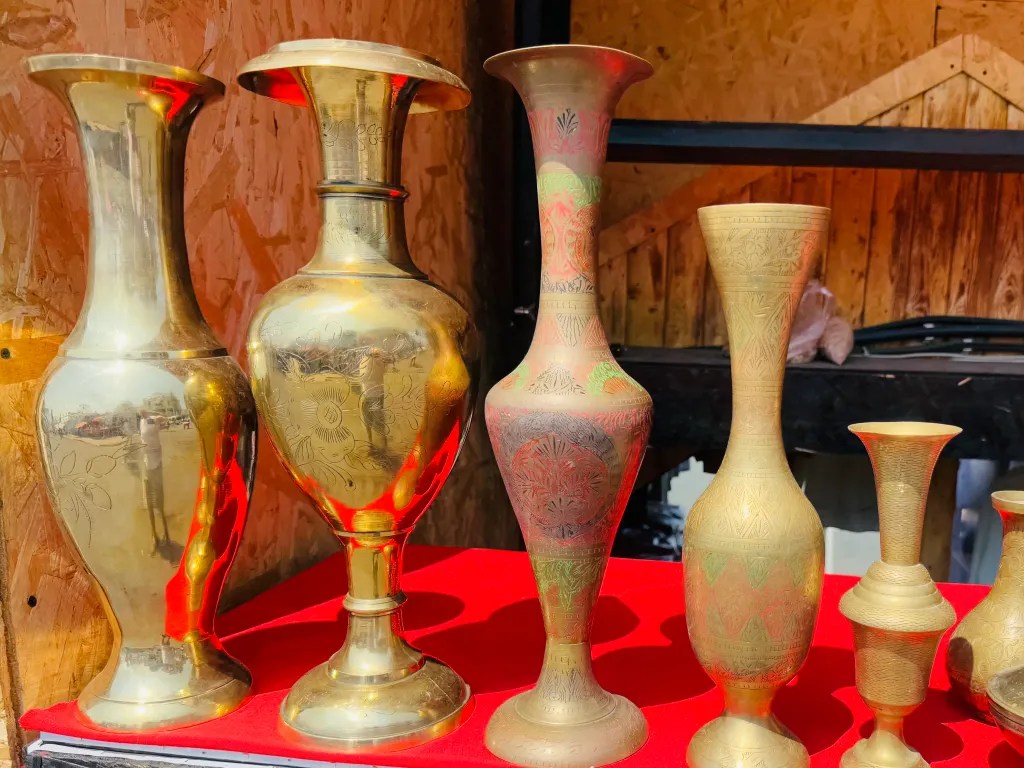
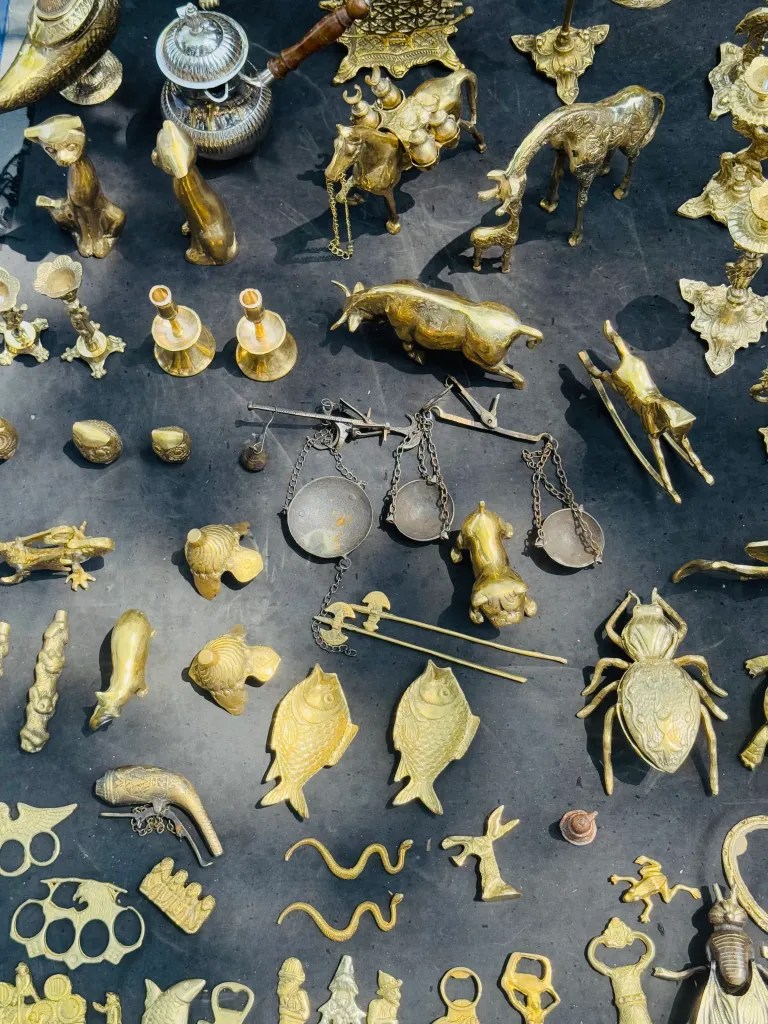
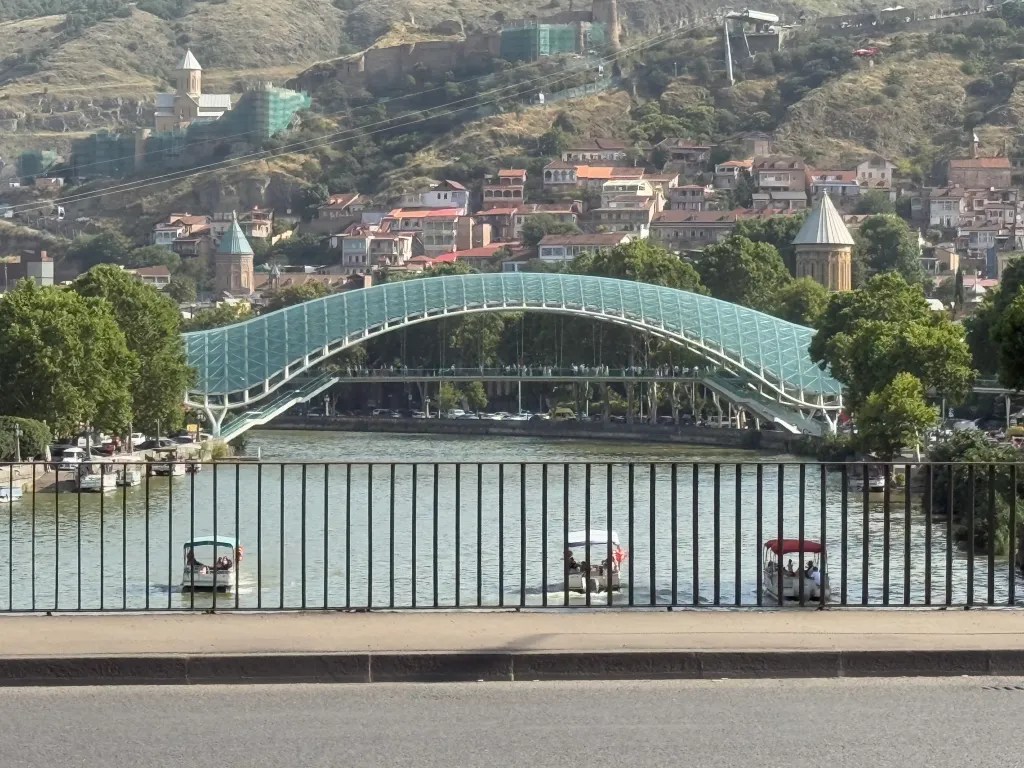
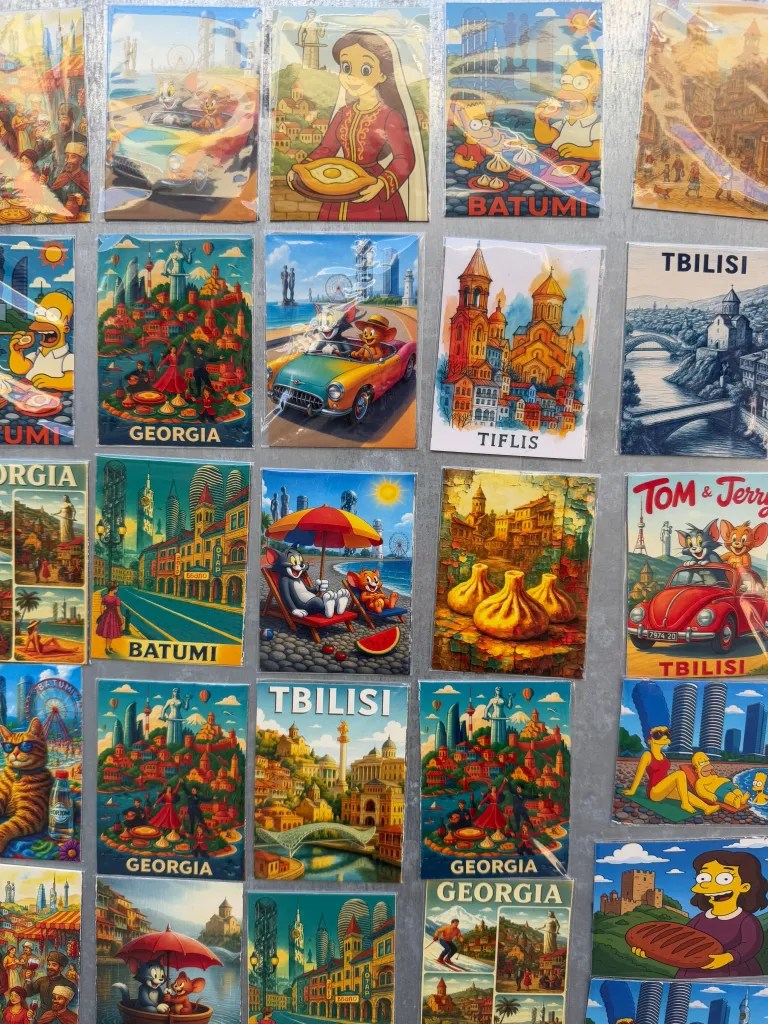
Yes, again with pix of the tourist items for sale. Yes, that’s a dog’s tail. And please enjoy the pix inspired by the Bridge of Peace

More from the walking tour. Is this wrong: taking a picture with the begger to whom you’ve just donated 5 Lari?

As you’ve come to learn, I find it impossible to choose one souvenir, so I take pix of all of them! I like the maximalism of those images! These were in a kind of curving tourist tunnel. The rest of the batch concludes our walking tour at the sulfur baths, a mosque, and another corner of the old town…

After our walking tour, two of my fellow travelers and I took the gondola across the river up the Mother of Georgia who looks down over Tbilisi (and seen previously here). We walked around a bit before parting ways to explore the city on our own…

I got my museum nerd on and went to three – two art, one history. The first, the National (Tbilisi) Art Gallery, was the easiest, smallest collection, heavily featuring one artist…

The second one, the Georgian National Museum, was more than a history museum as it spanned ancient fossils to recent revolutions – natural history, cultural history, political history, etc. This first batch focuses on the old stuff…

This second batch from the Georgian National Museum features more cultural artifacts, old photographs, and politial history, particularly the last disturbing image of dead people in the street…

Next, I went to a beautiful building (first photo in two previous batches) with a magnificant interior, the Georgian Museum of Fine Arts. Not all the art was sensational, but had it been I would not have been able to make it through the many rooms on several floors before closing time. Here’s what I thought was the good stuff, including the spectacular glass stairs in the center of the building…

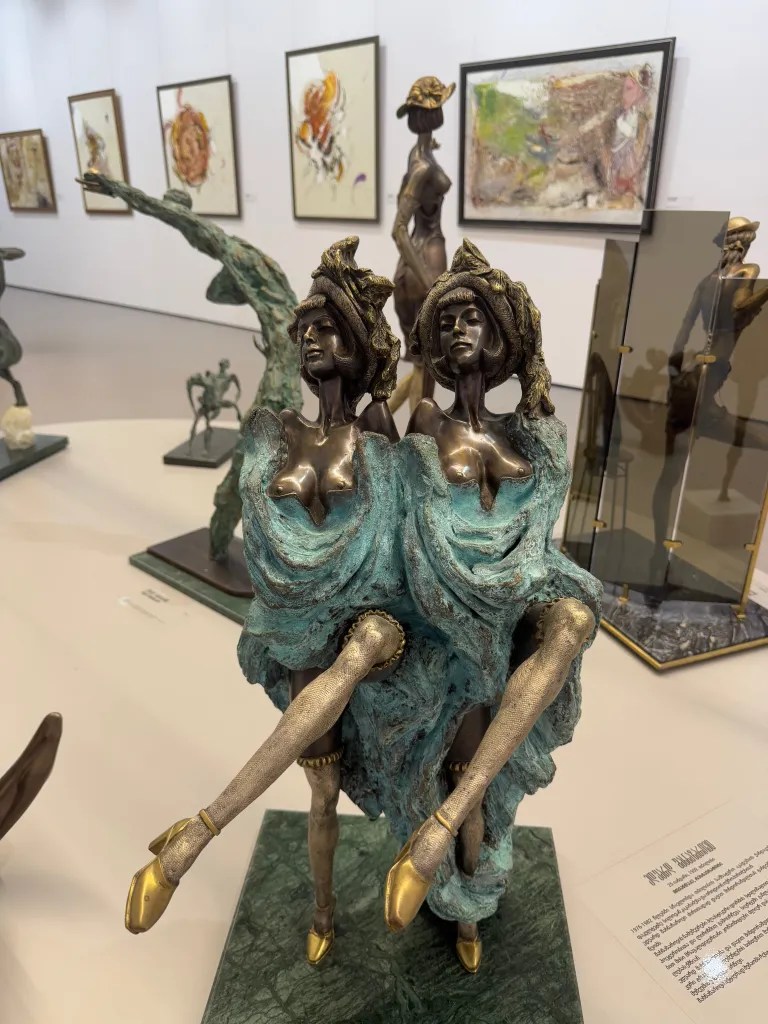
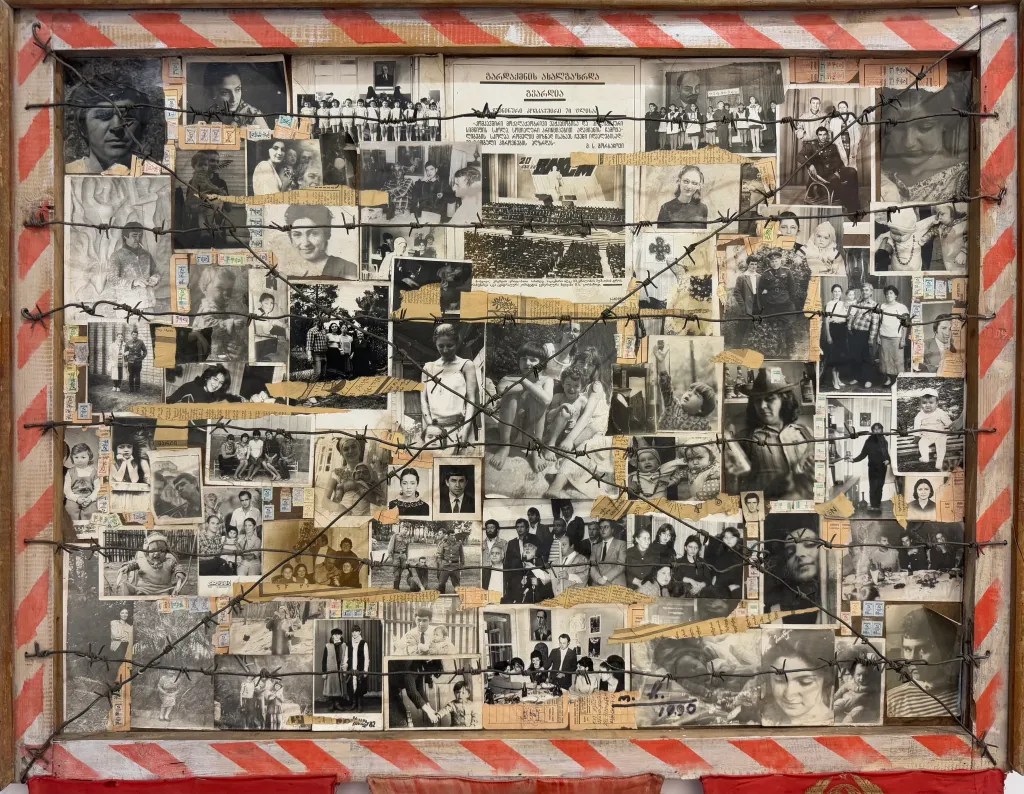
More from the Georgian Museum of Fine Arts. This batch features two sculptors who were particularly outstanding, along with some collage/montage/assemblage and nice paintings…

Again, the Georgian Museum of Fine Arts

Finally, exhausted from aesthetic athletics, I shuffled through the park back to our hotel, picking up a couple gifties on the way…

I had an adequate dinner and folded up early since we had an early departure the next morning…

Tbilisi, Georgia

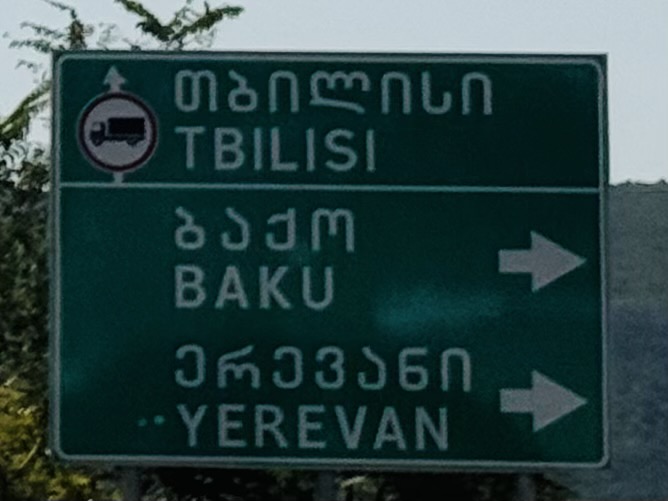
Tbilisi is the capital and largest city of Georgia, located on the banks of the Kura River. This first batch is from the road into town and the approach to our hotel…

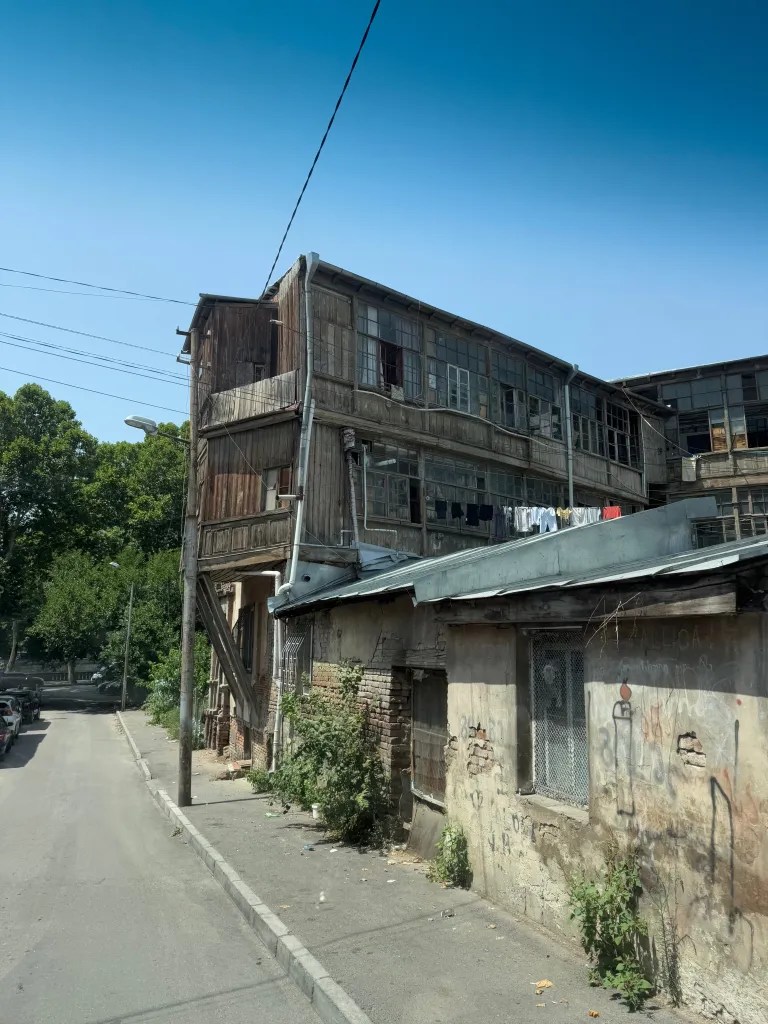
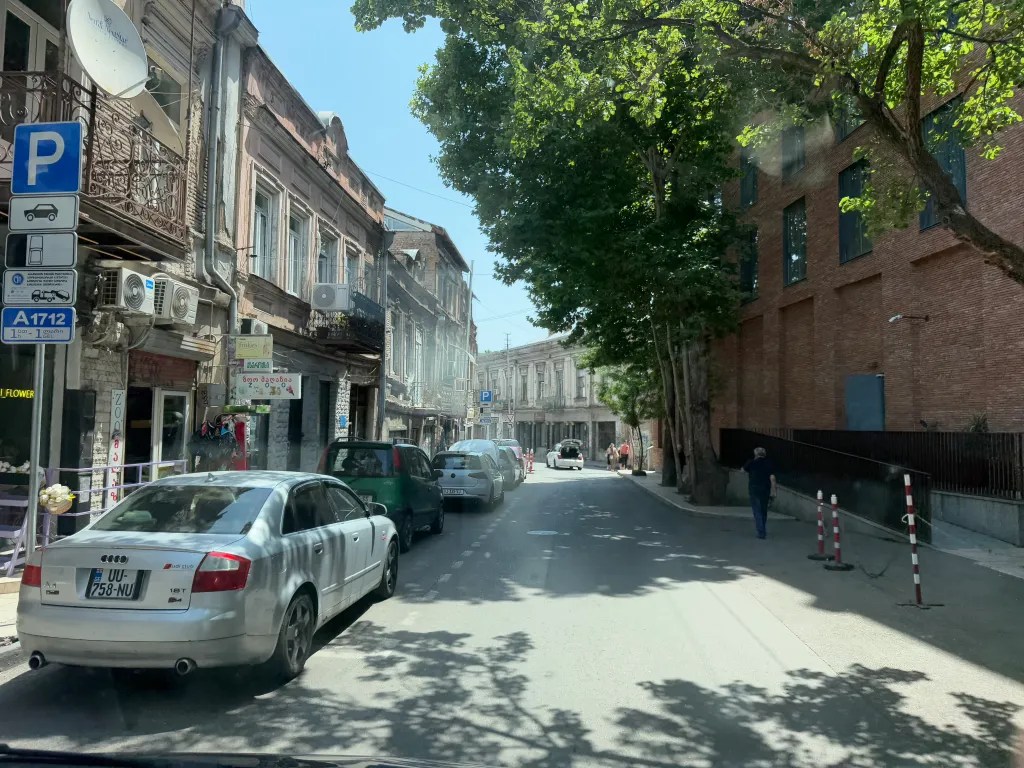
Arriving mid-day, we dropped off our luggage and went for an orientation walk around town. We crossed the river, but didn’t go far. This batch shows some of the neighborhood, a view of the Holy Trinity Cathedral, but mostly captures some interesting examples of the vendors’ wares at the Dry Bridge Flea Market

Eventually, we went back to the hotel to check in, then I took off on my own and hiked up to the Holy Trinity Cathedral to check out the tallest church in all of Georgia. This batch shows some of the route, including the interesting architecture of the city administration building. Having been to a few orthodox churchs by now, it was quite similar, only more grand.

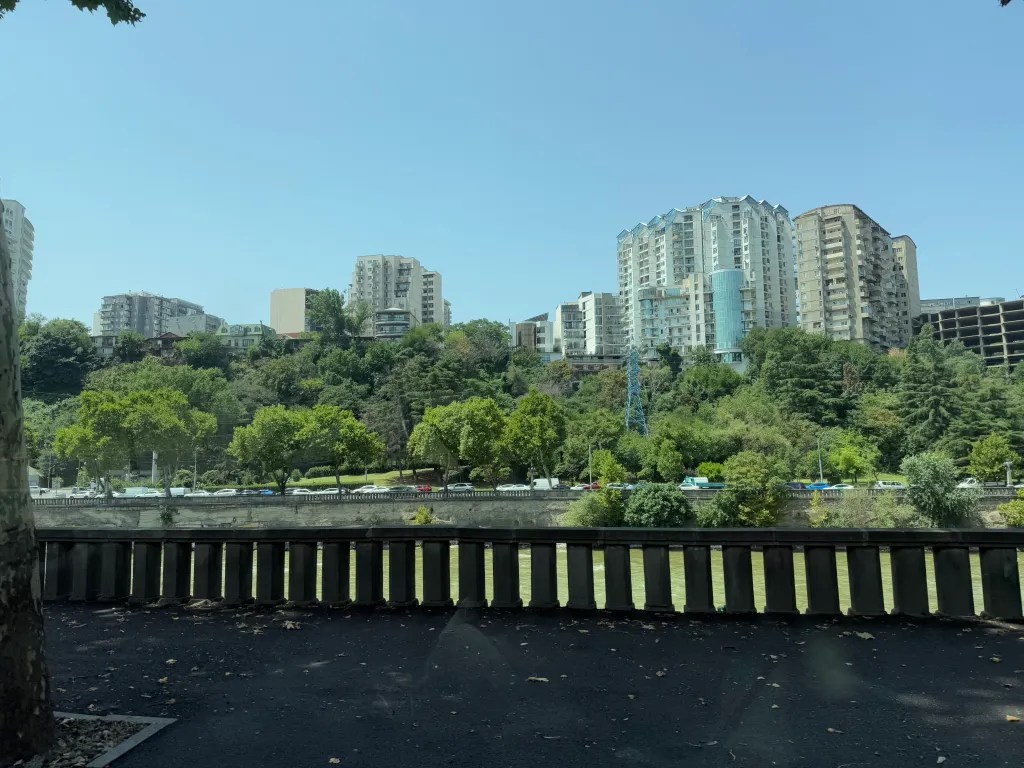
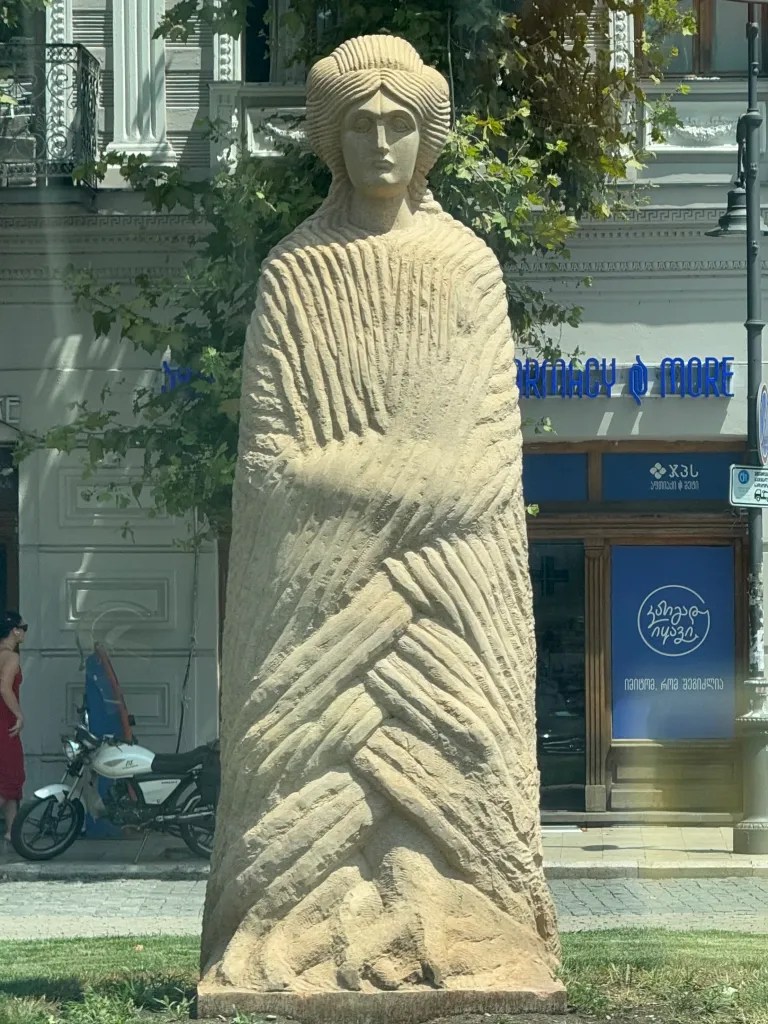
Next, I walked back down to the Kura River and crossed into the Tbilisi’s Old City. Here are the government building again, some local culture, local sculptures, and another church…

Views around Tbilisi’s Old City

Some of the group met for dinner, then went back to the hotel, and here are some views from the top…

More Tbilisi tomorrow…?!

Gudauri to Stepantsminda

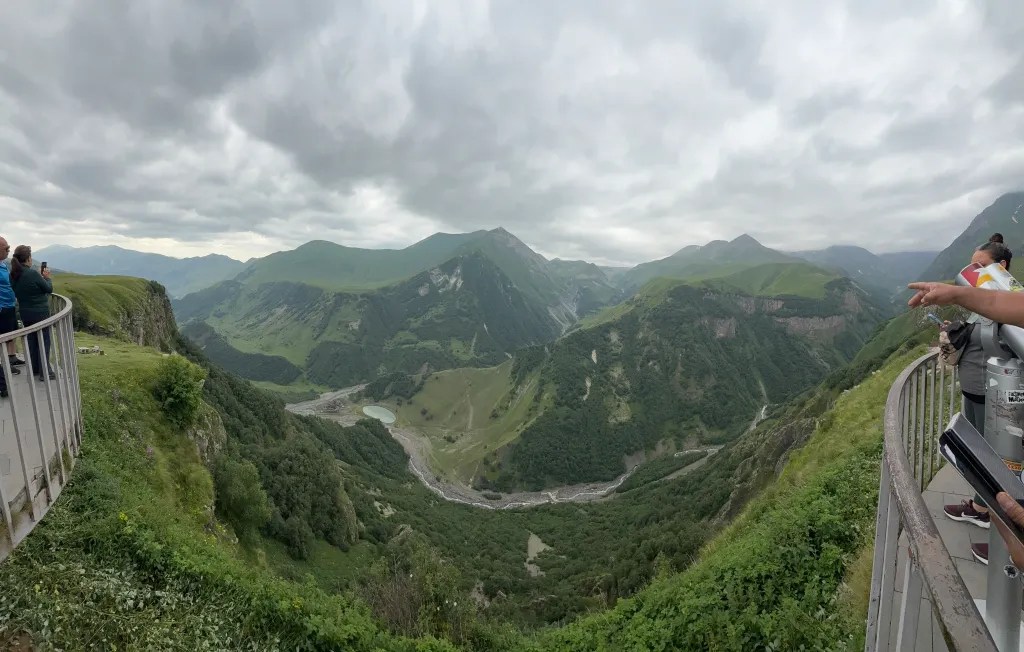
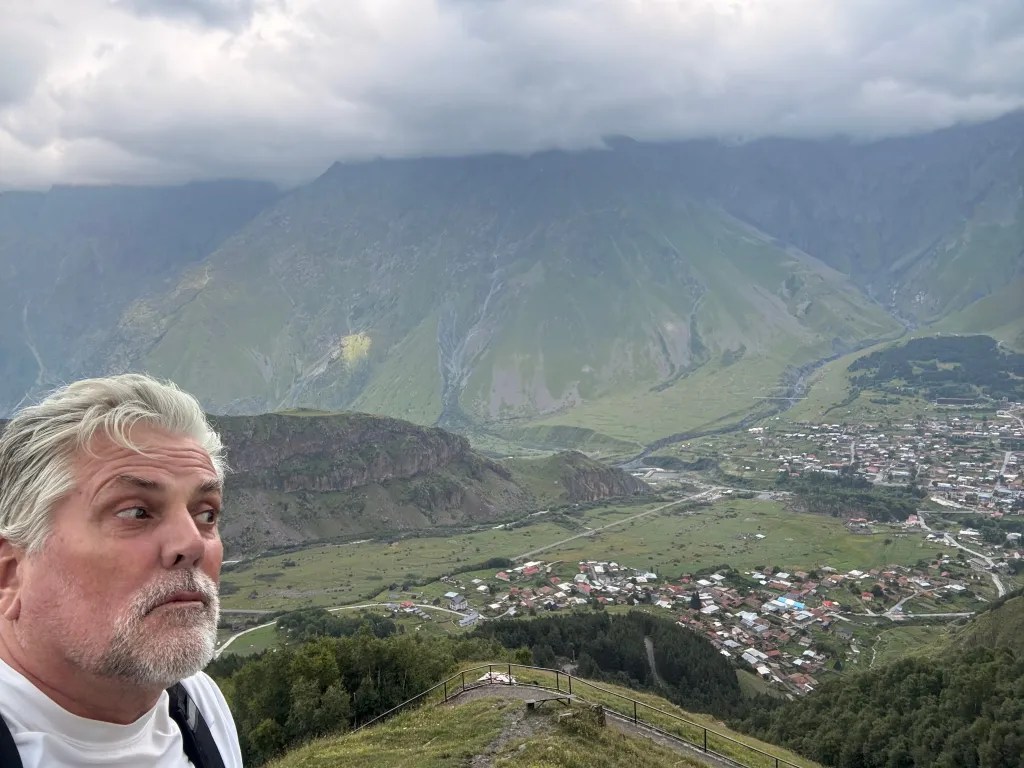
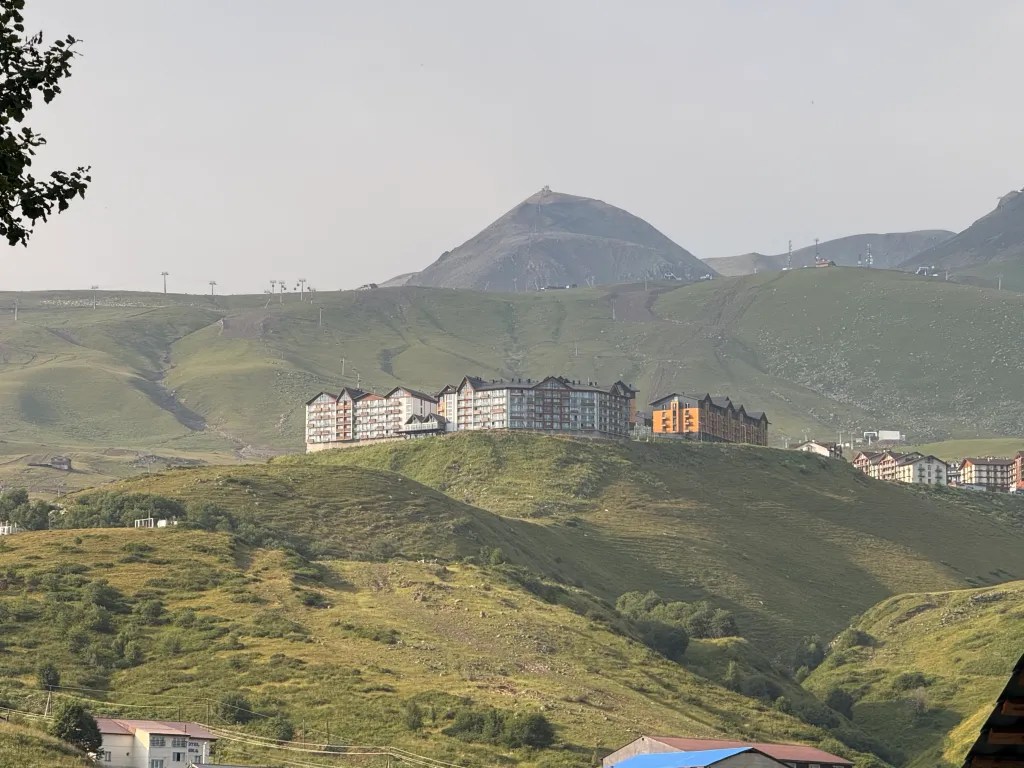
After breakfast, we followed the Tergi River further up into the mountains (closer to Russia) heading to Stepantsminda formerly known as Kazbegi, our destination being the Gergeti Trinity Church.

While the clouds dimmed the light, they blanketed the mountains making our journey – especially the hike – cooler, and did not unleash the rains, which seem to come in the night, pelting down now as I write.

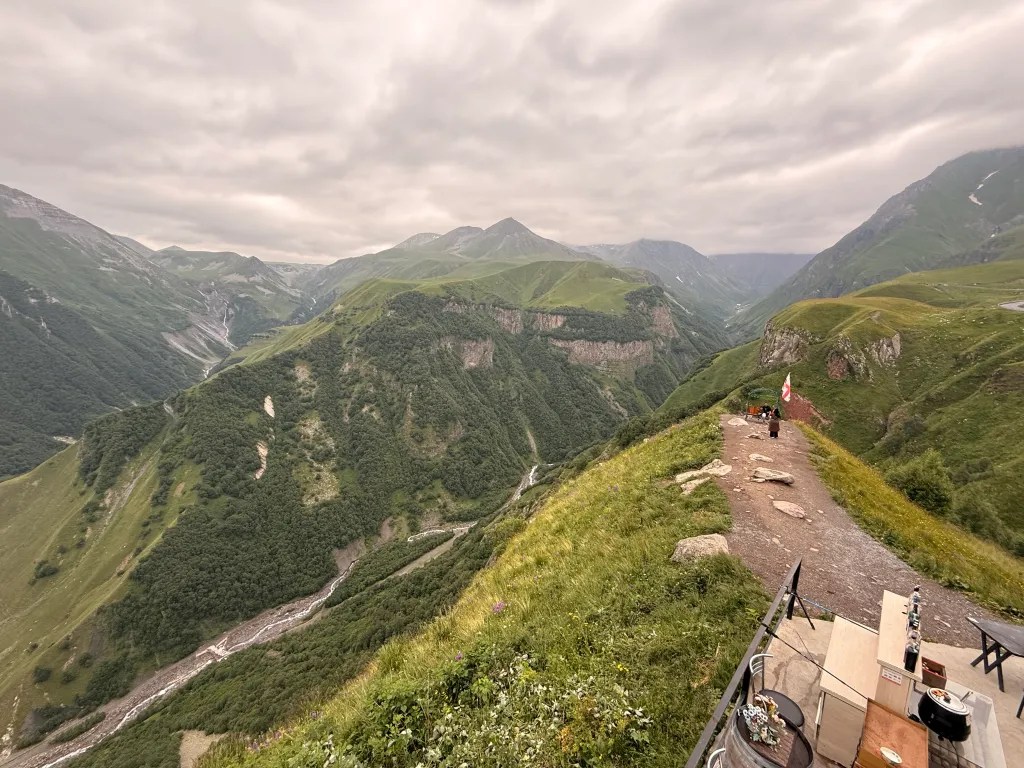
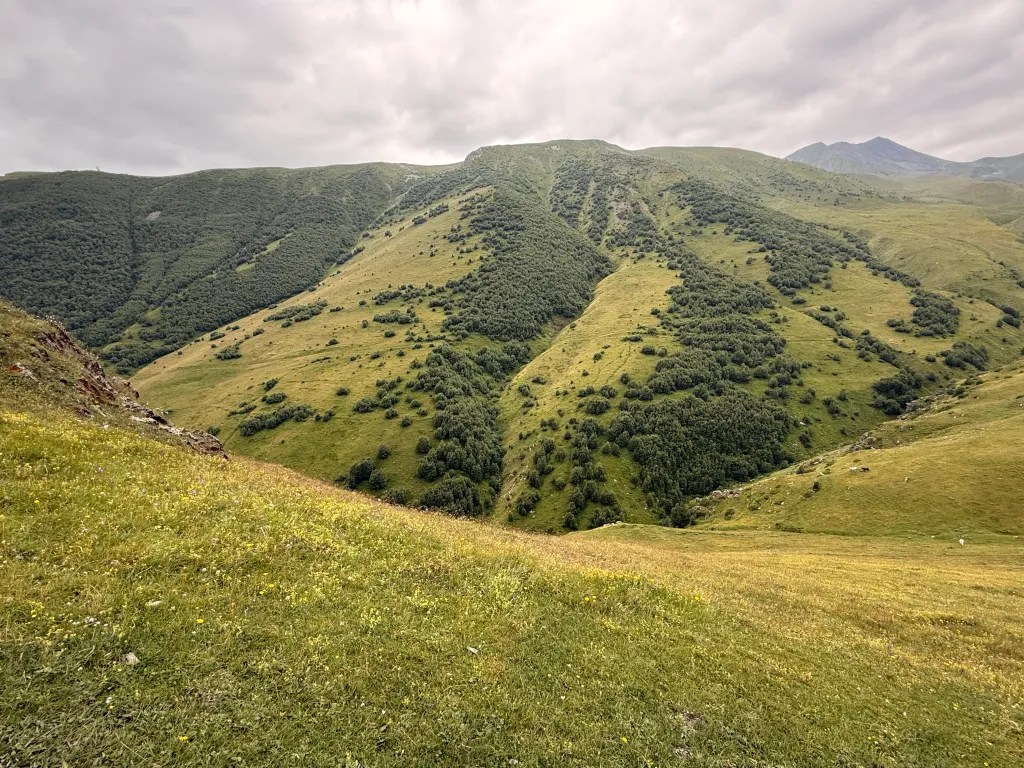
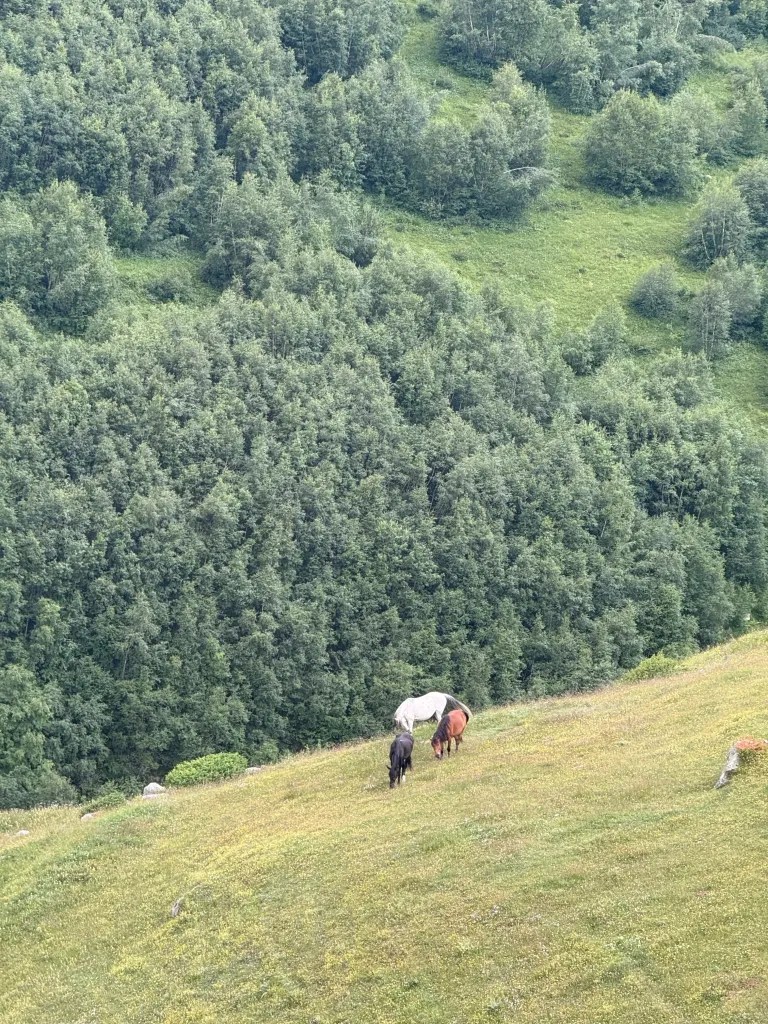
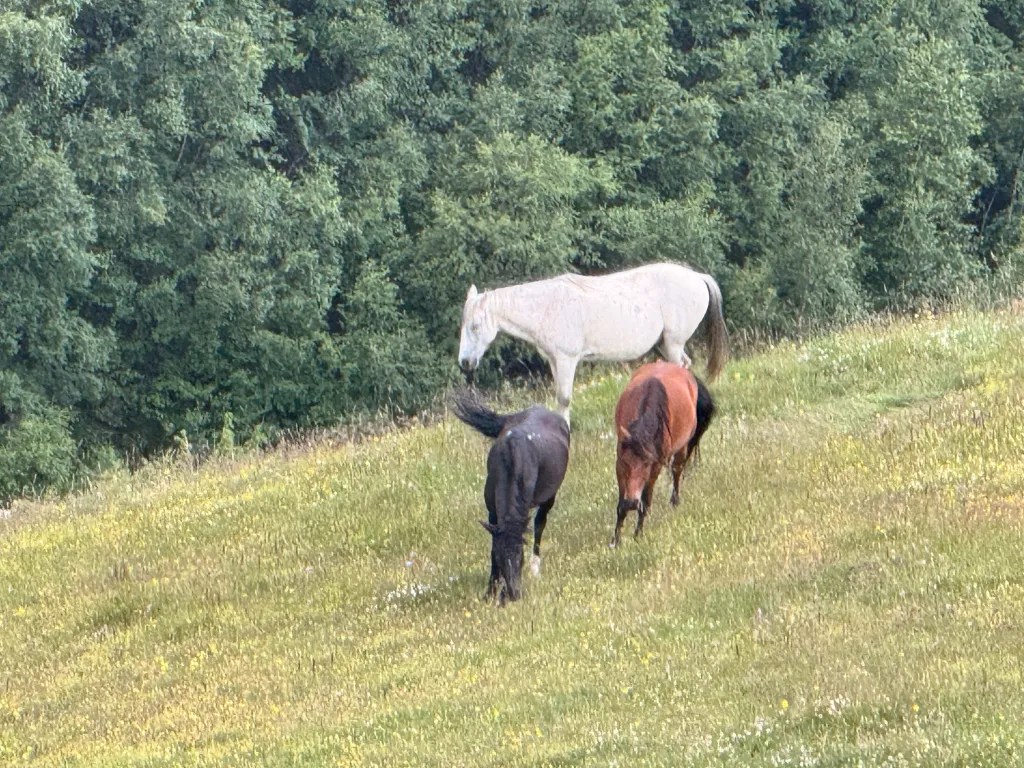
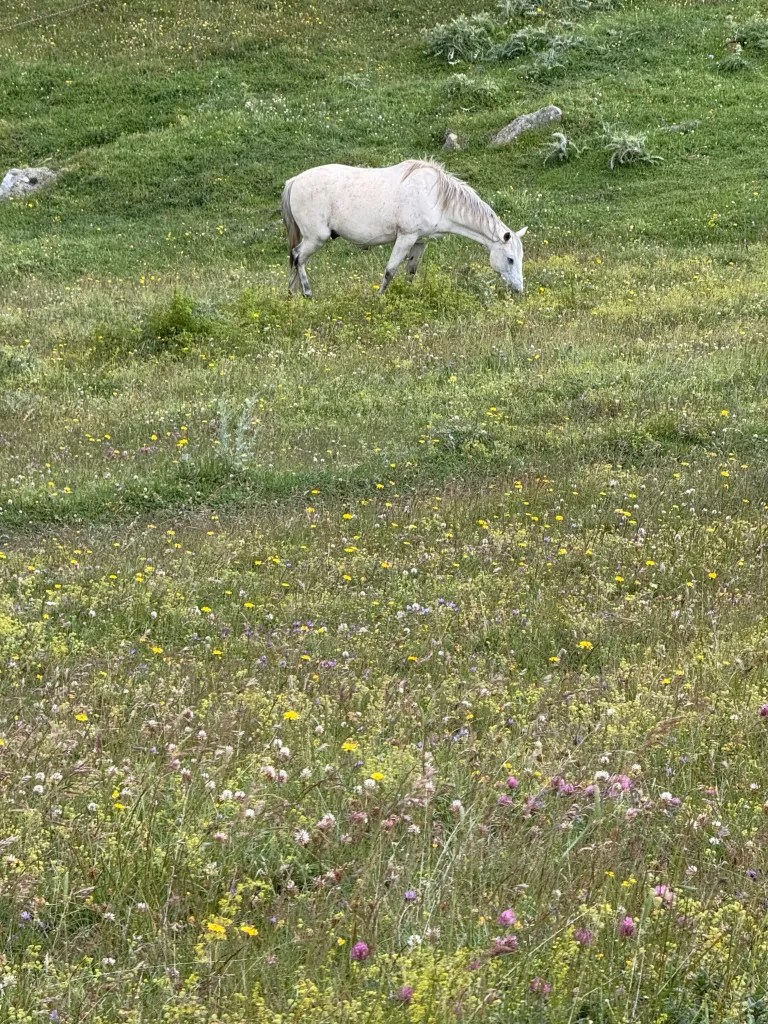
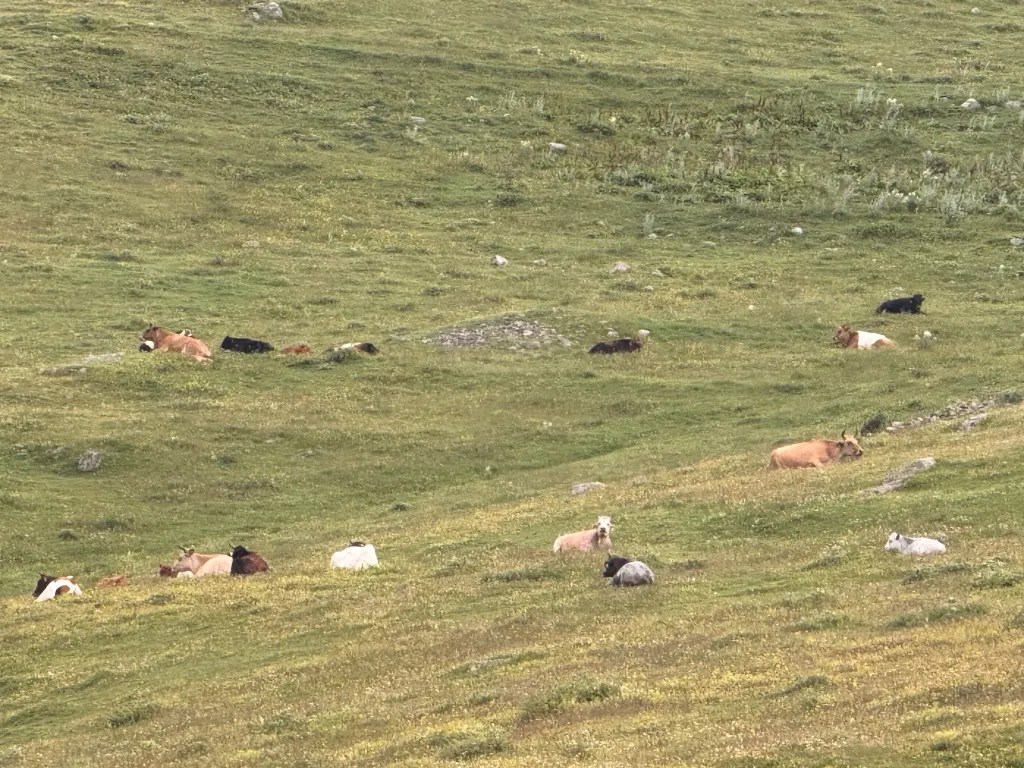
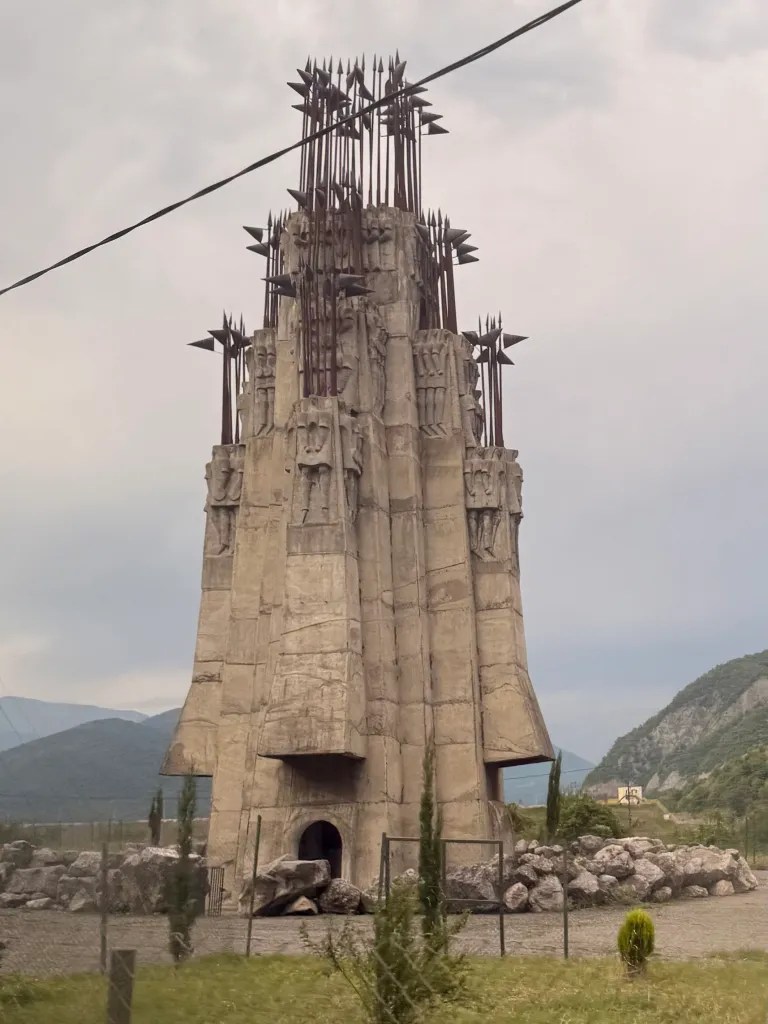
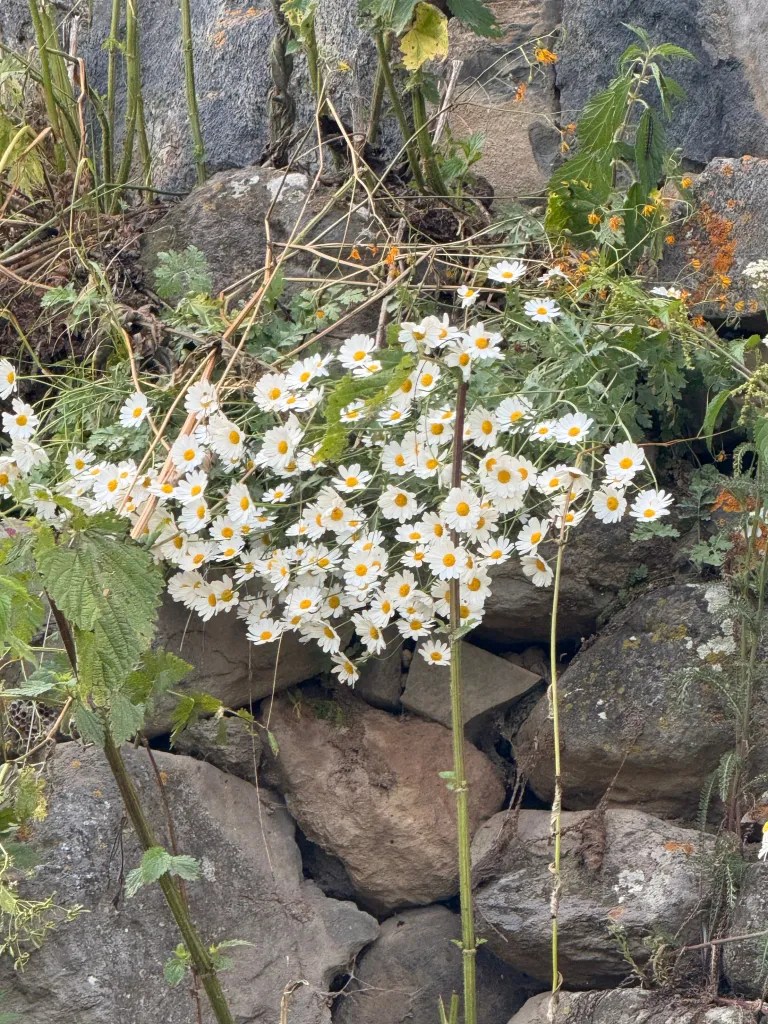
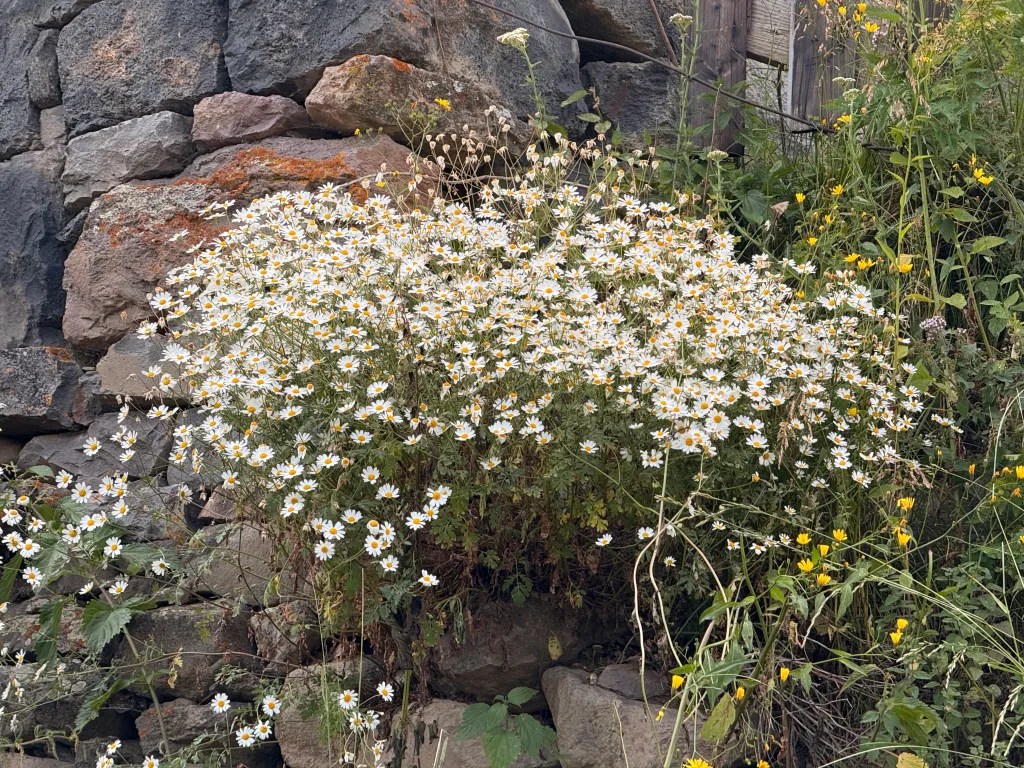
We stopped for awhile at the Russia–Georgia Friendship Monument to hear about the symbolism and take a bunch of pictures. Wild flowers and grazing animals will be a theme in this post. (see also)

After a beautiful drive, we stopped in Stepantsminda and started our hike up to the church. It was a wonderful loop trail, first up through the village and the forest, then down through the alpine meadows back to the village – and lunch…

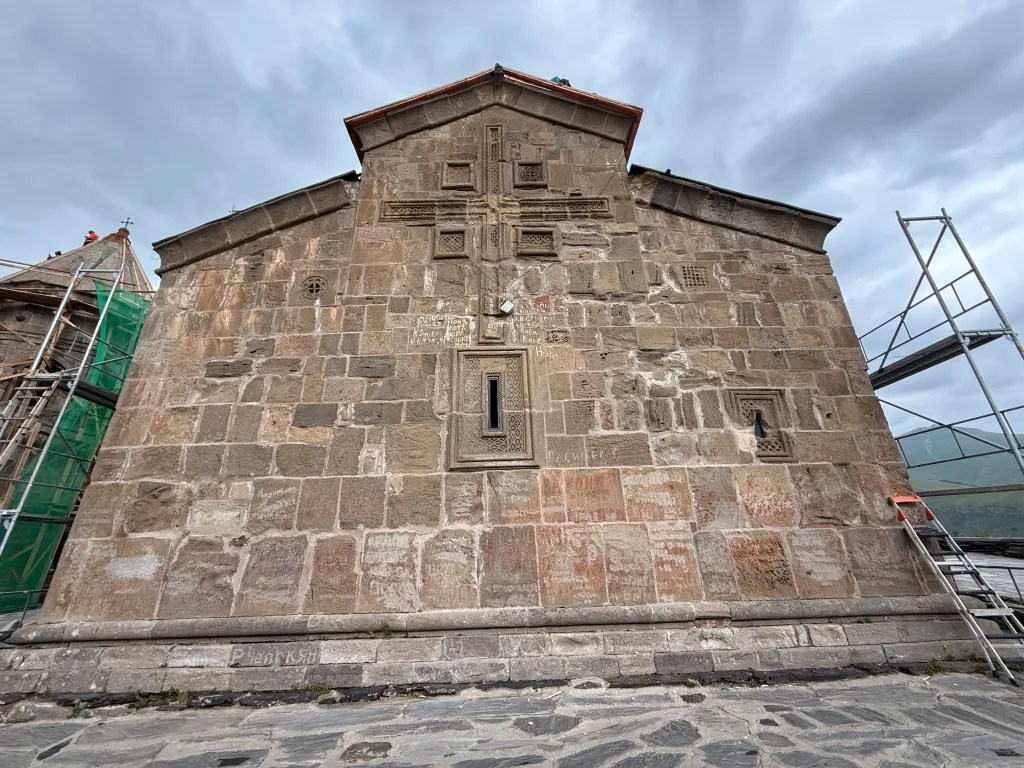
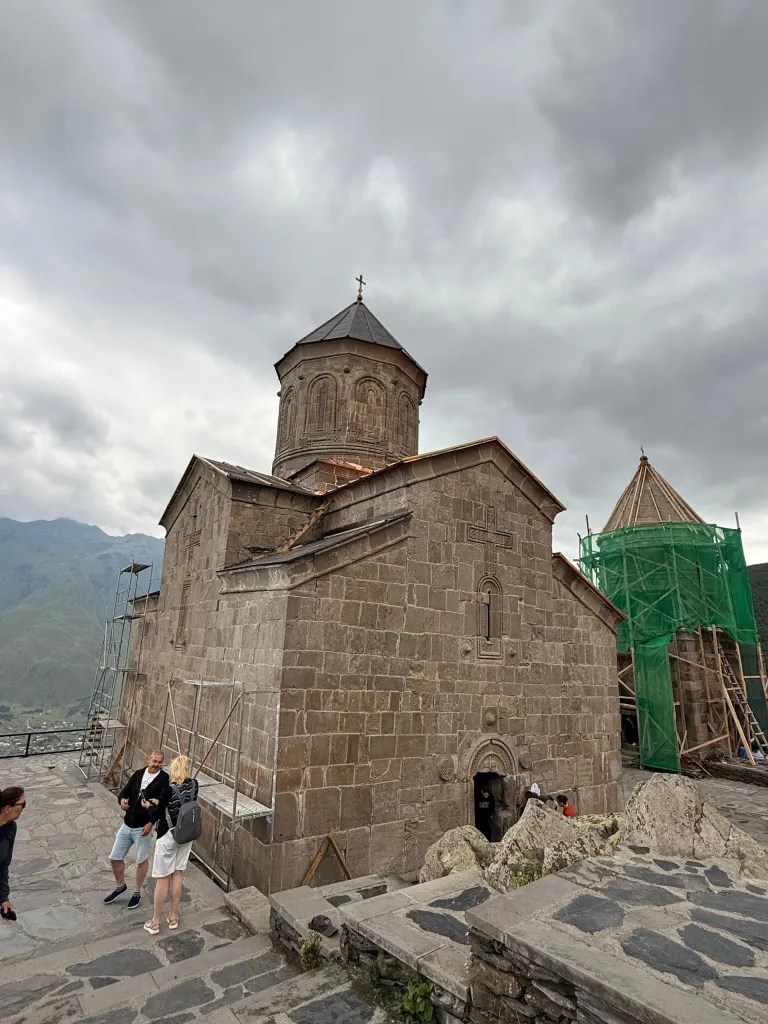
The road to the Gergeti Trinity Church has only been there about six years, but the parking lots were packed and the construction renovation projects were in full swing…

Inside the Gergeti Trinity Church it was beautifully dark, and the art, religious iconography, drew one in close…

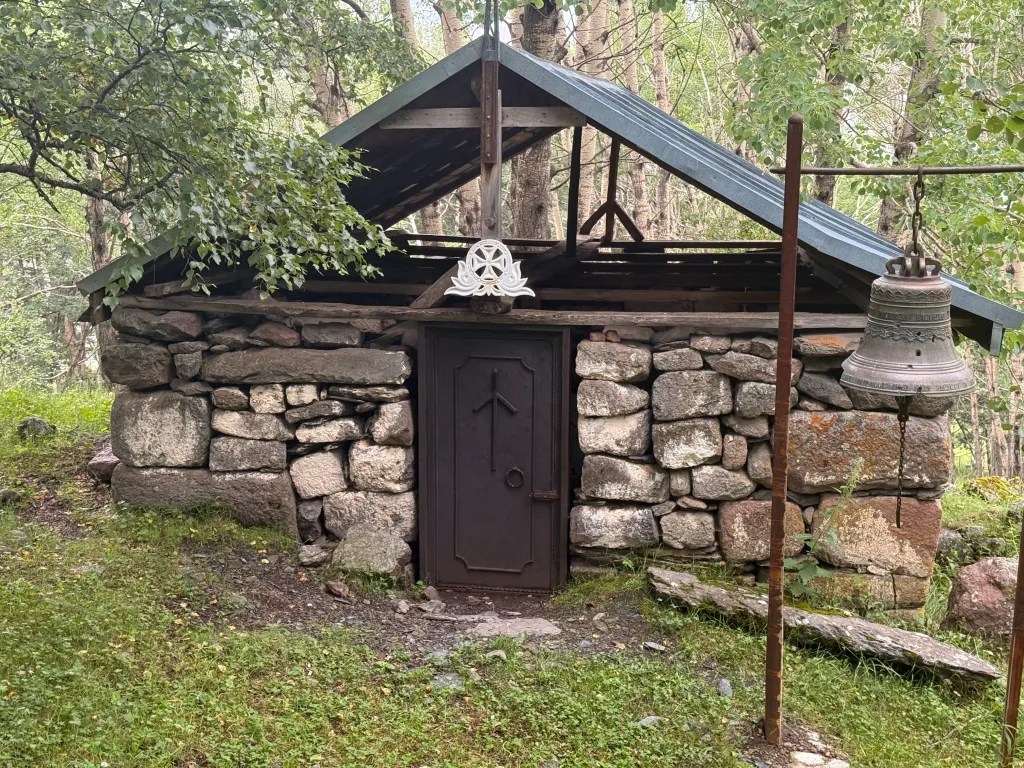
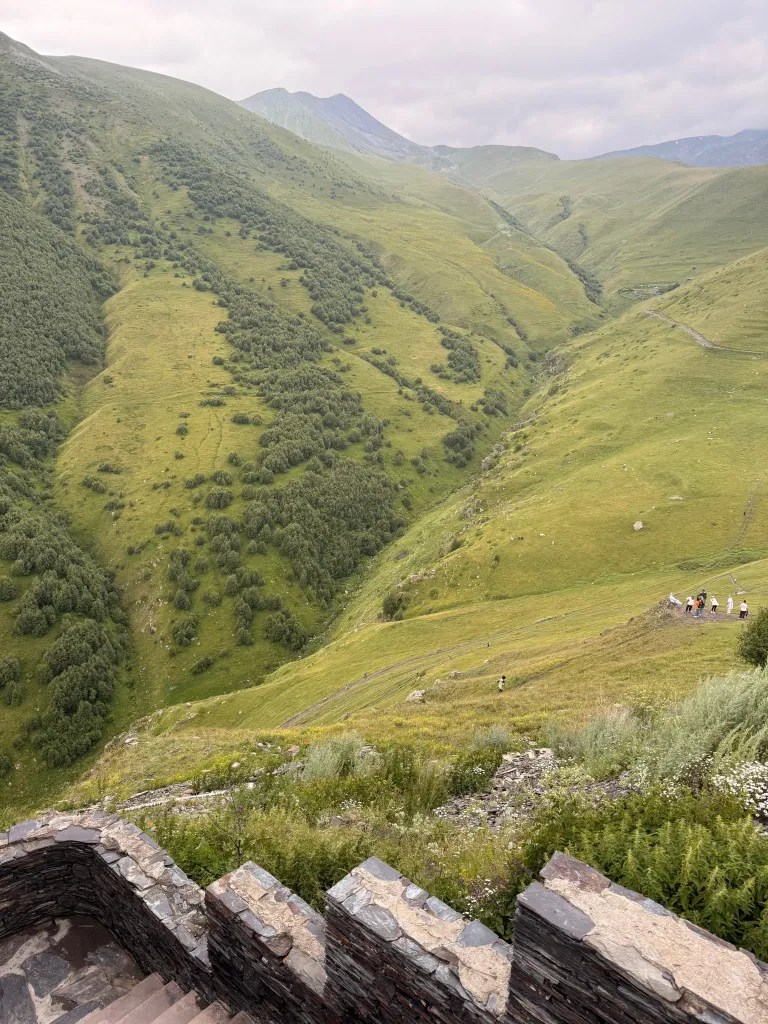
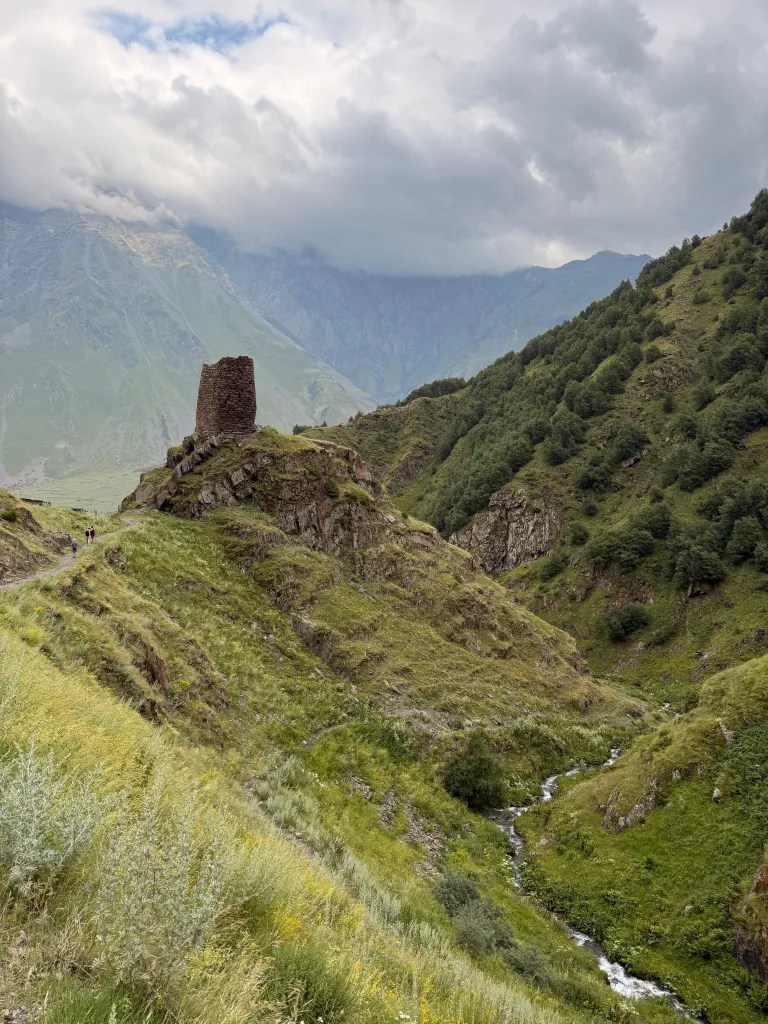
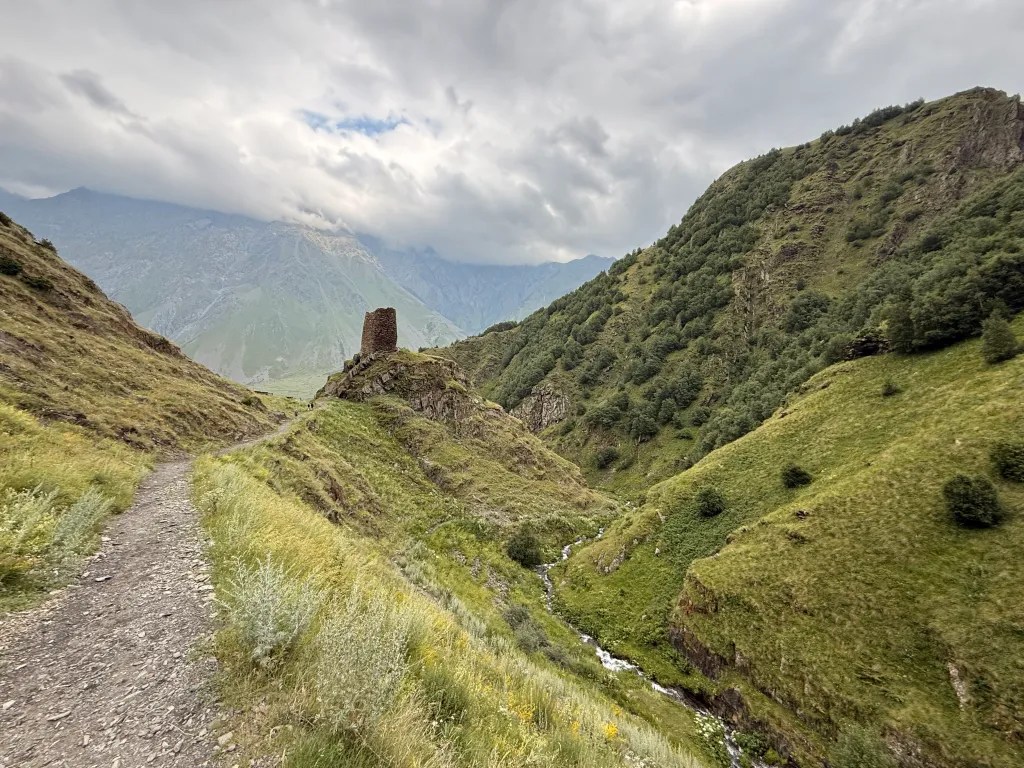
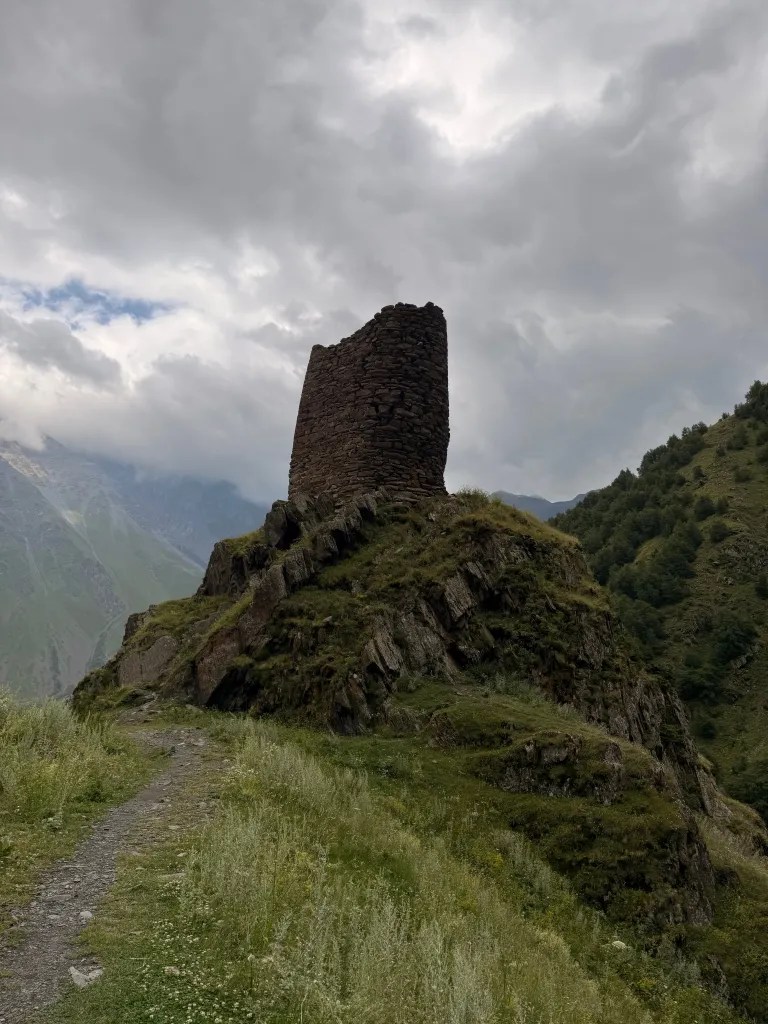
After some moments of contemplation, we eventually headed back down, taking in the breathtaking scenery and walking carefully. Near the bottom of the trail was a majestic watchtower, of which there are many…

Back in the village, we walked the old streets past various old buildings to the restaurant, after which we drove to a series of four gondolas which took us over another pass to the ski resort, close to our guesthouse.

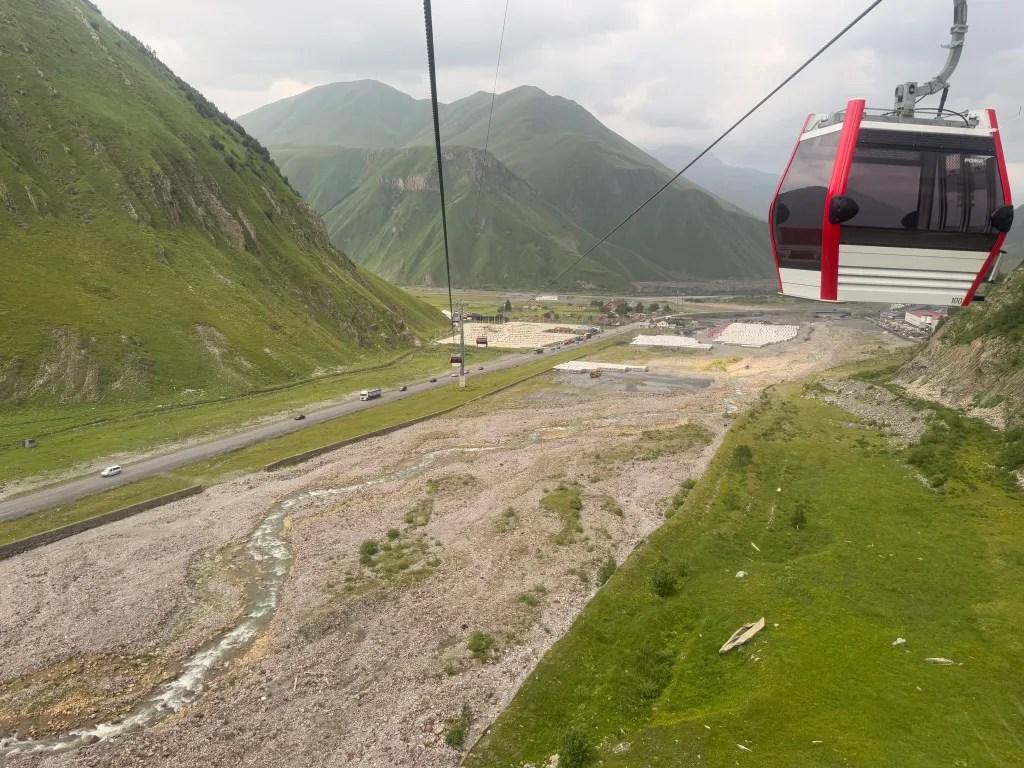
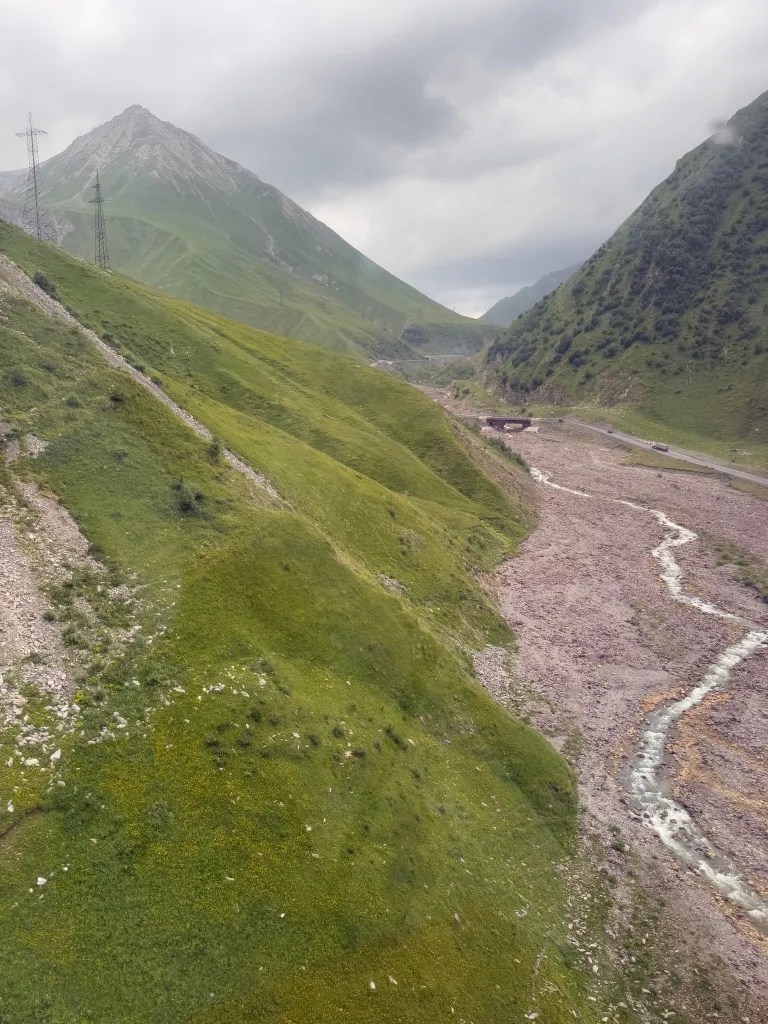
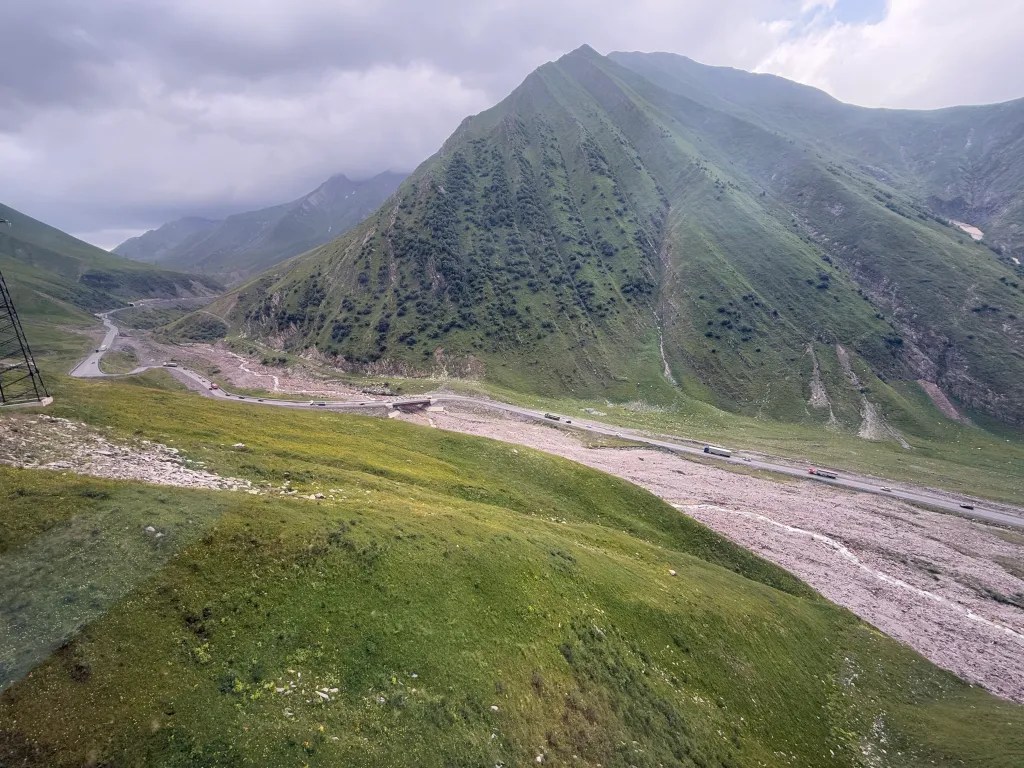
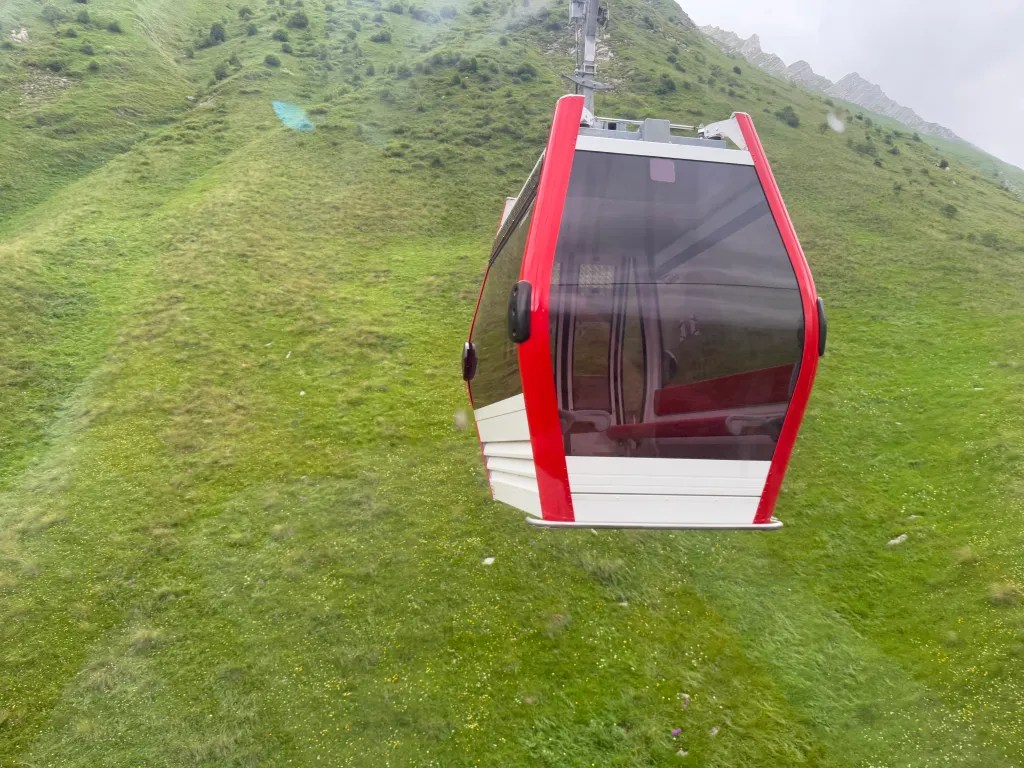
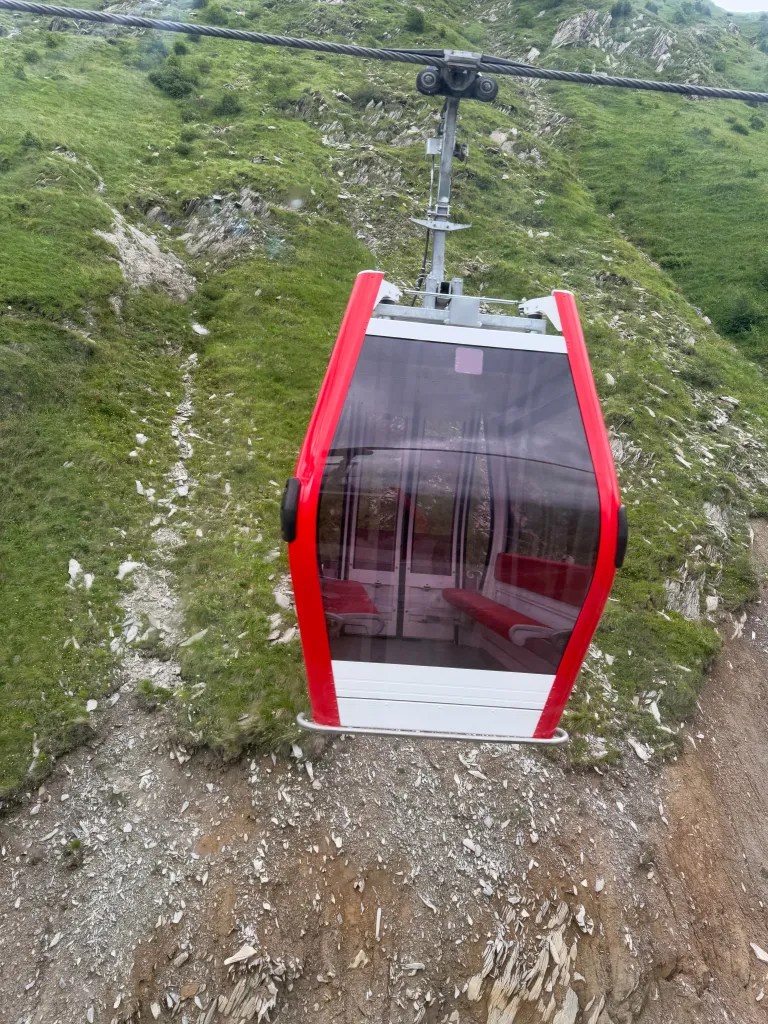
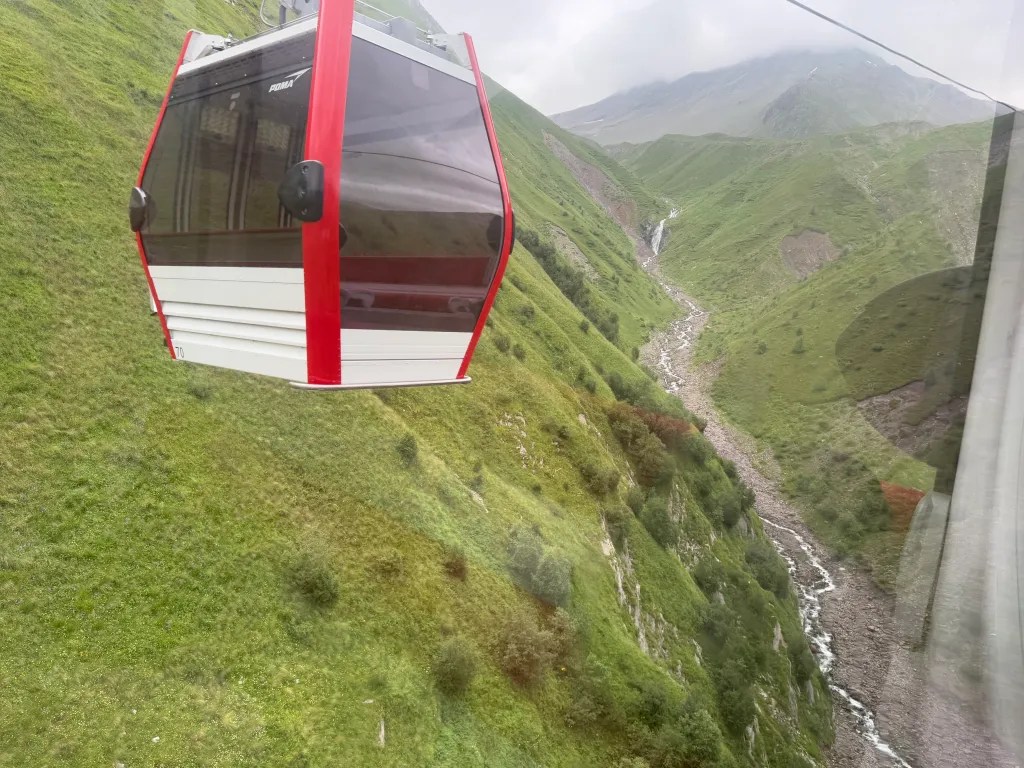
For 35 Lari, we took the series of four gondolas over the pass to the Gudauri Ski Resort. Highlights included vast mountains, cool streams, sheep herds, etc. Here are some stills, AND a shot shared on our WhatsApp group of some fellow travelers also enjoying the gondola…

And here are some time lapse video clips of the gondola rides…

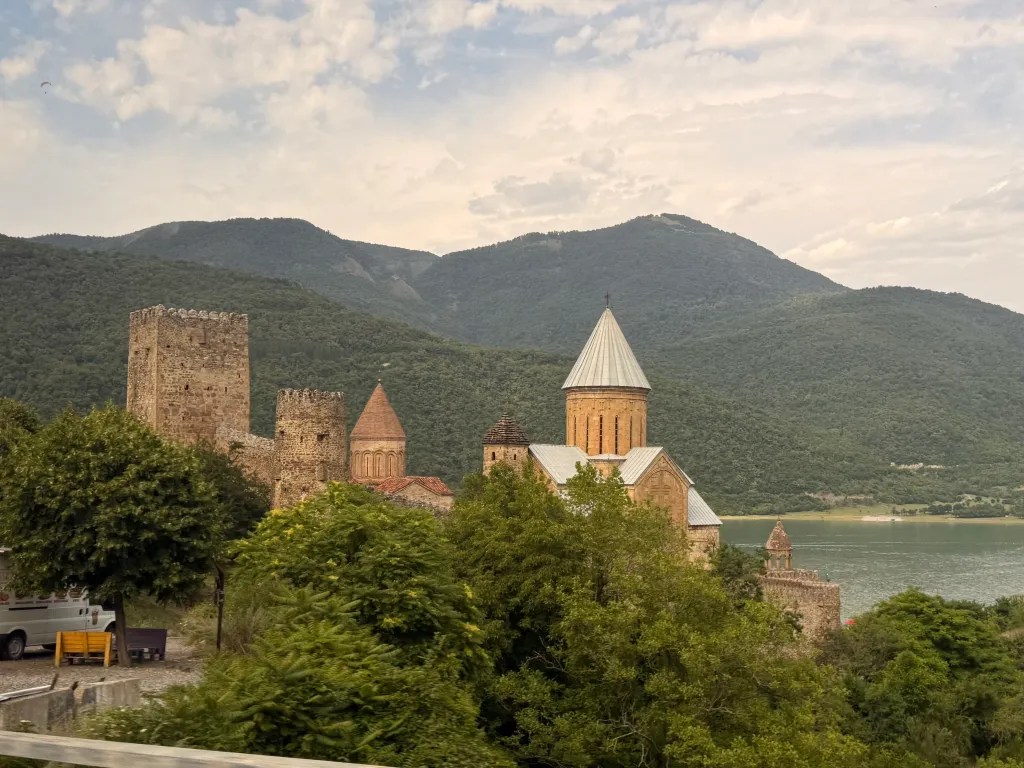
After two nights in Gudauri, and another wonderful breakfast, we headed out to Tbilisi. On the way we stopped at the Ananuri Fortress Complex. This batch shows some tourist souvenir options and shots of/from the road…

The Ananuri Fortress Complex has a long history as the place evolved from watch tower to fortress, and including a church. This last batch shows various views inside & ou,t and is included here as we passed this place along the way two days before…

Stay tuned for Tbilisi

Telavi to Gudauri

We only spent one night in Telavi before heading into the mountains.

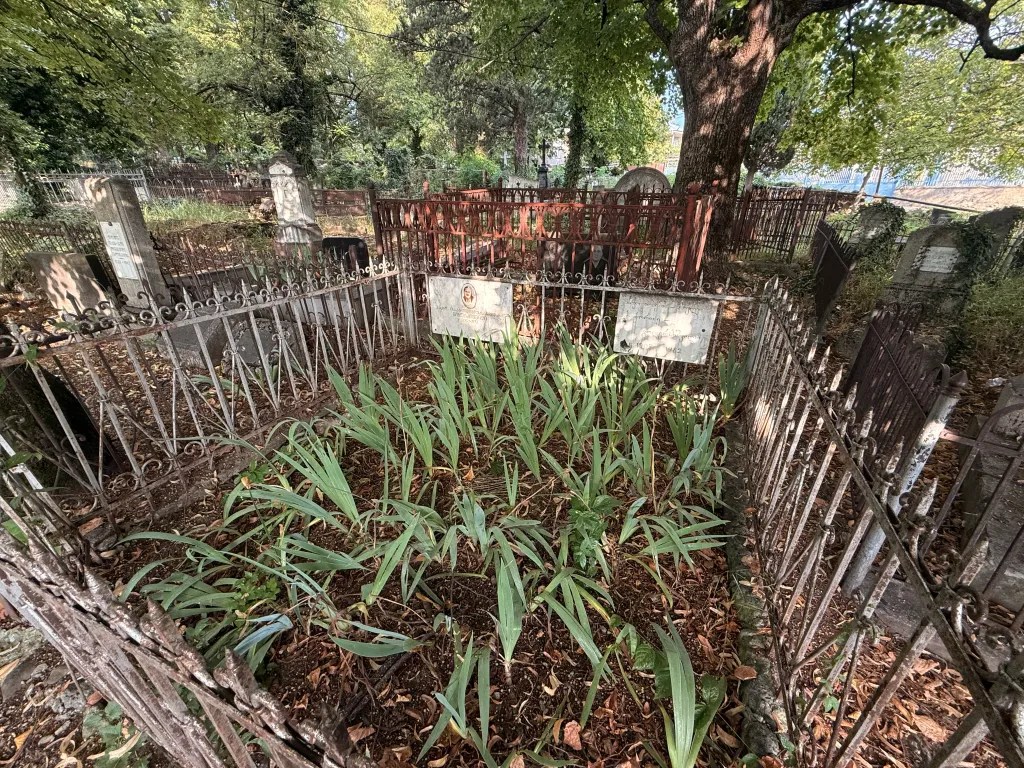
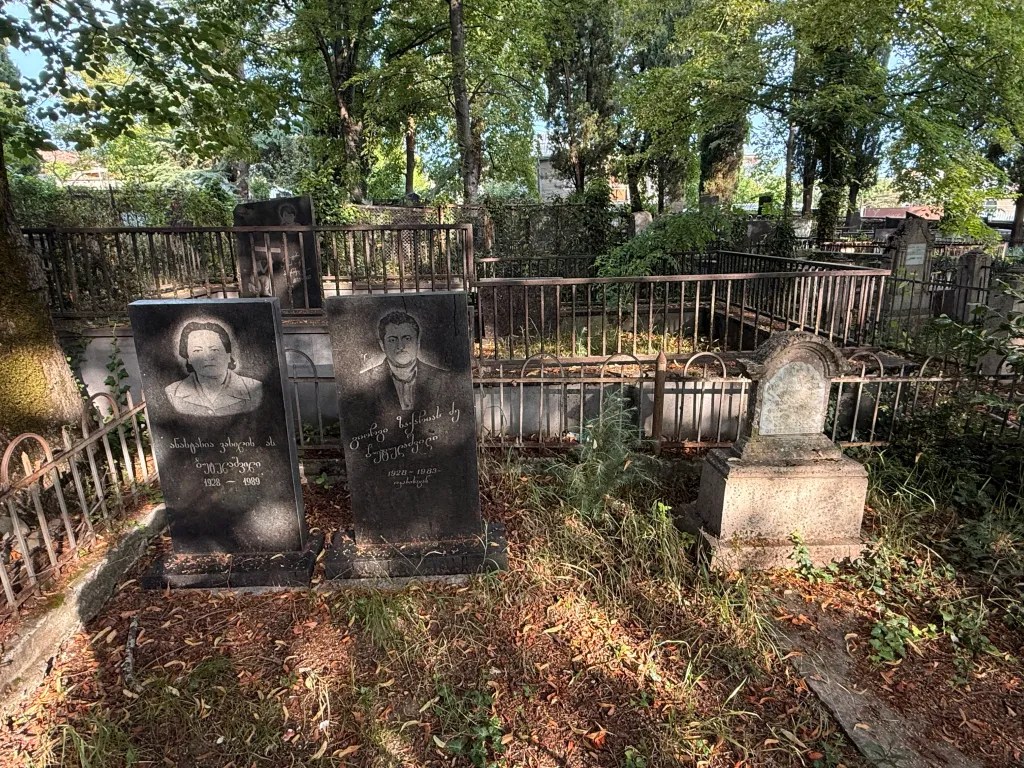
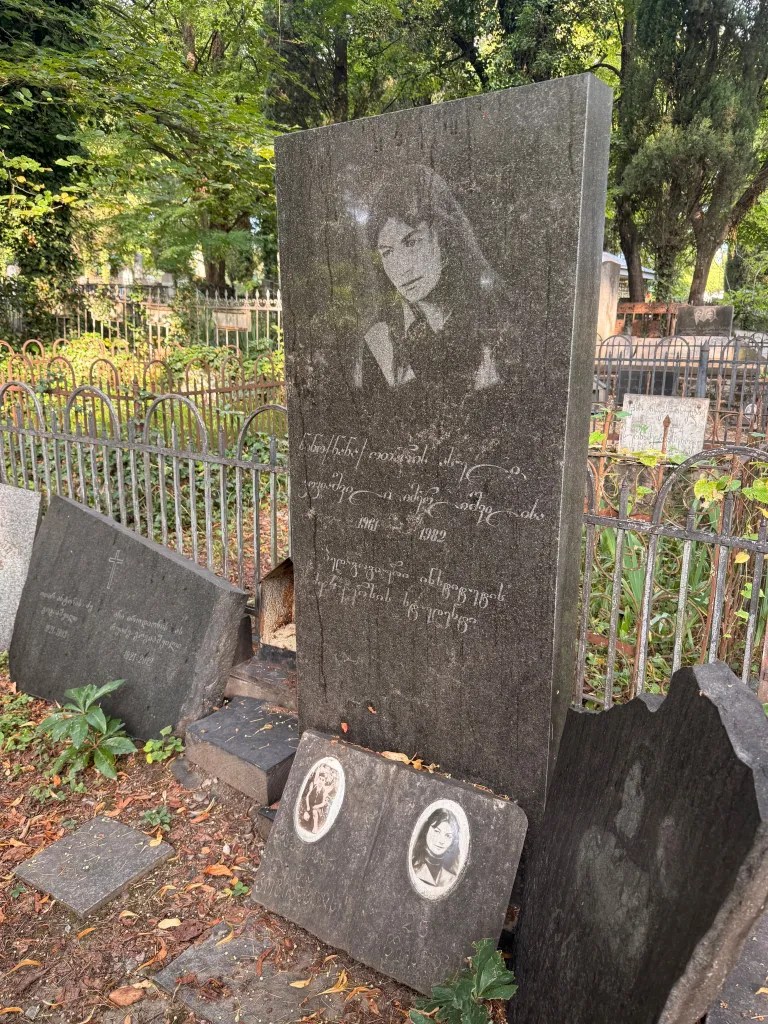
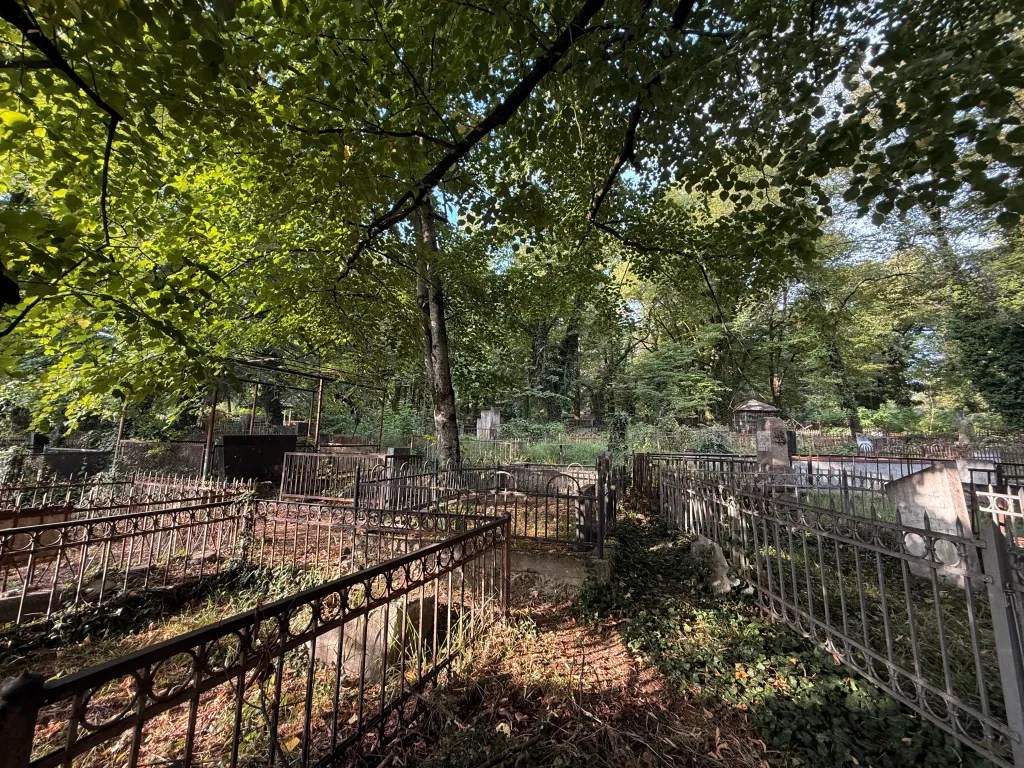
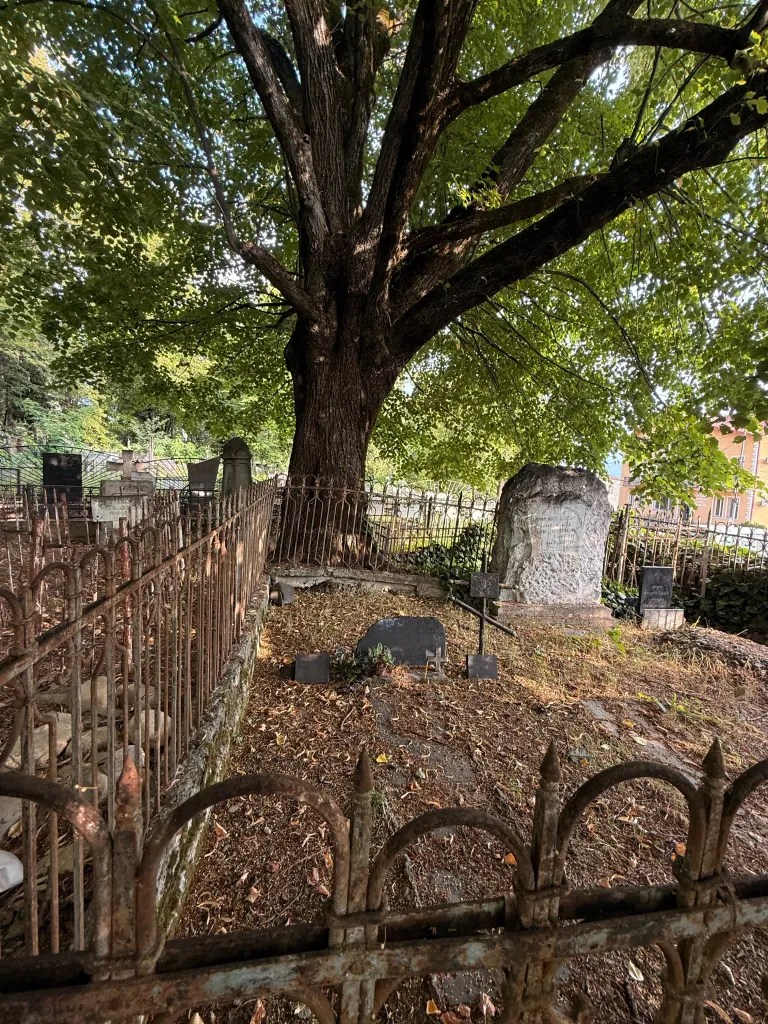
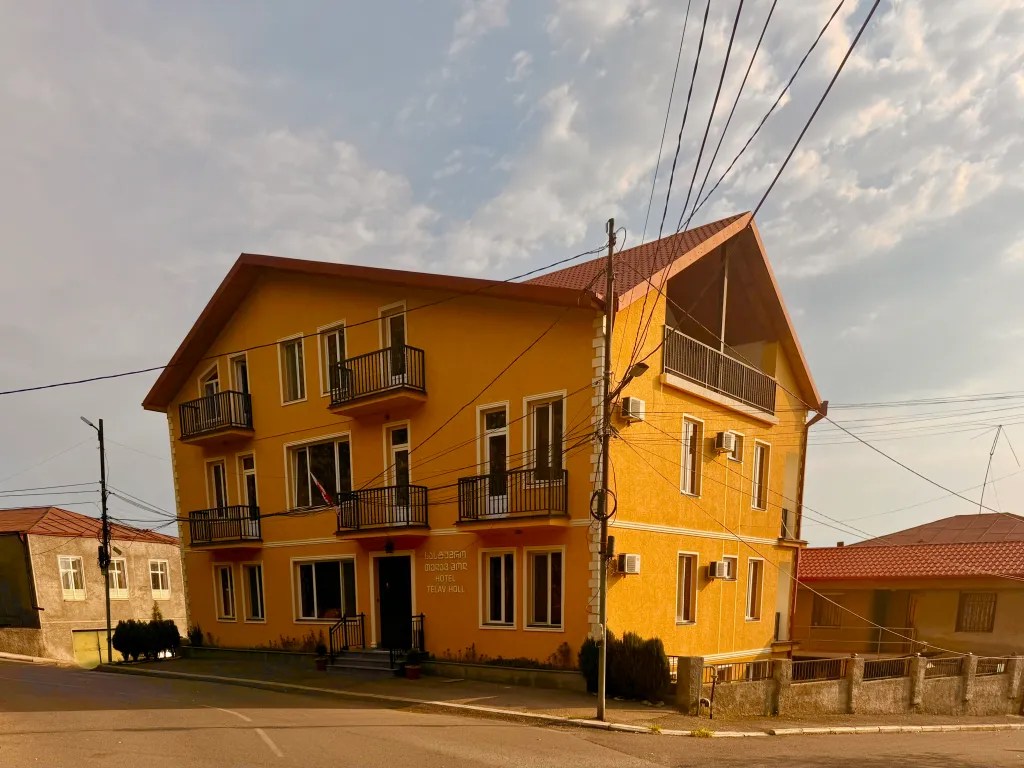
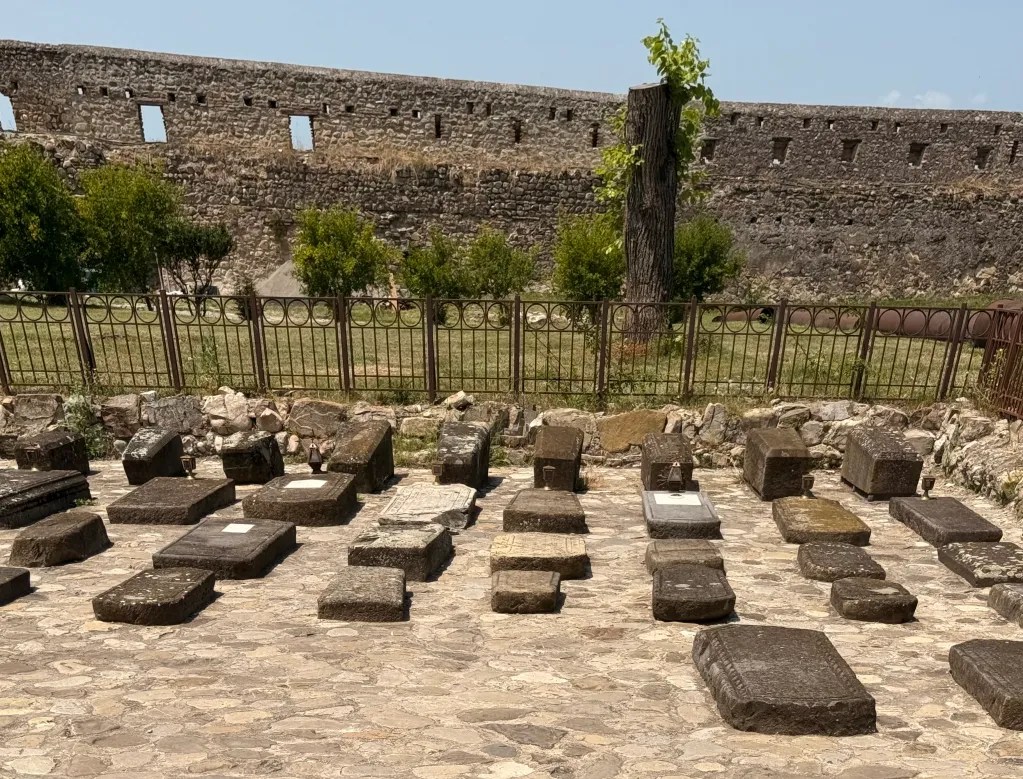
Before breakfast I explored the cemetery across the street from our hotel. Note, in addition to many an untended grave, the famous Georgian wine, our little hotel, breakfast, and a Soviet radio…

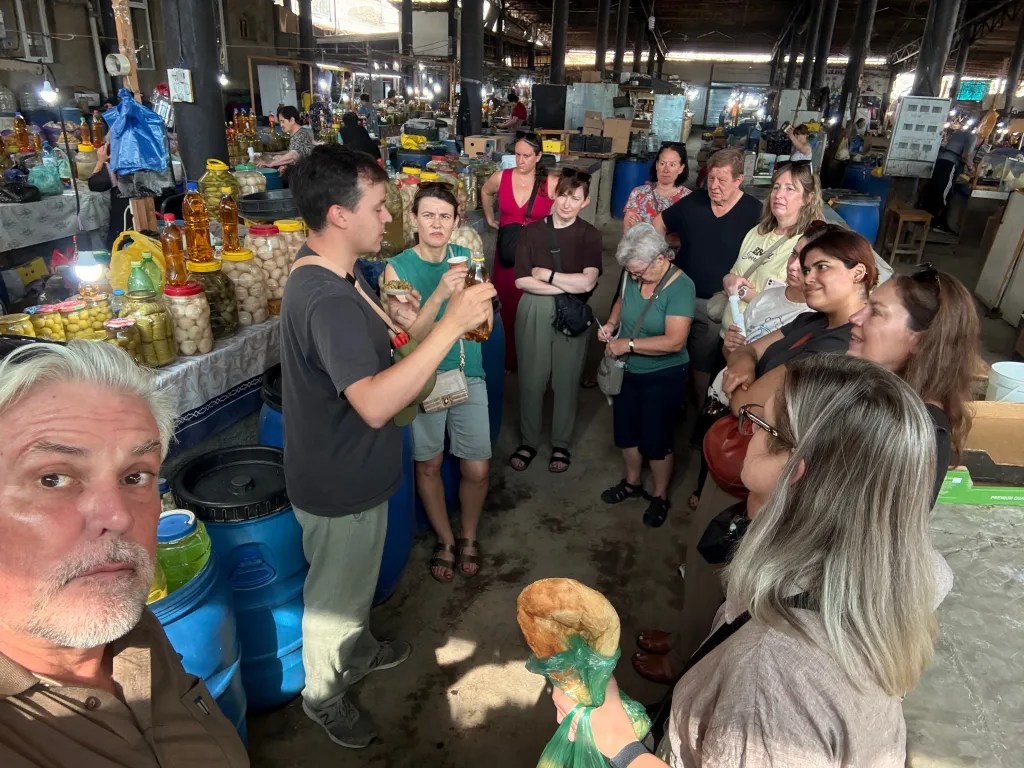
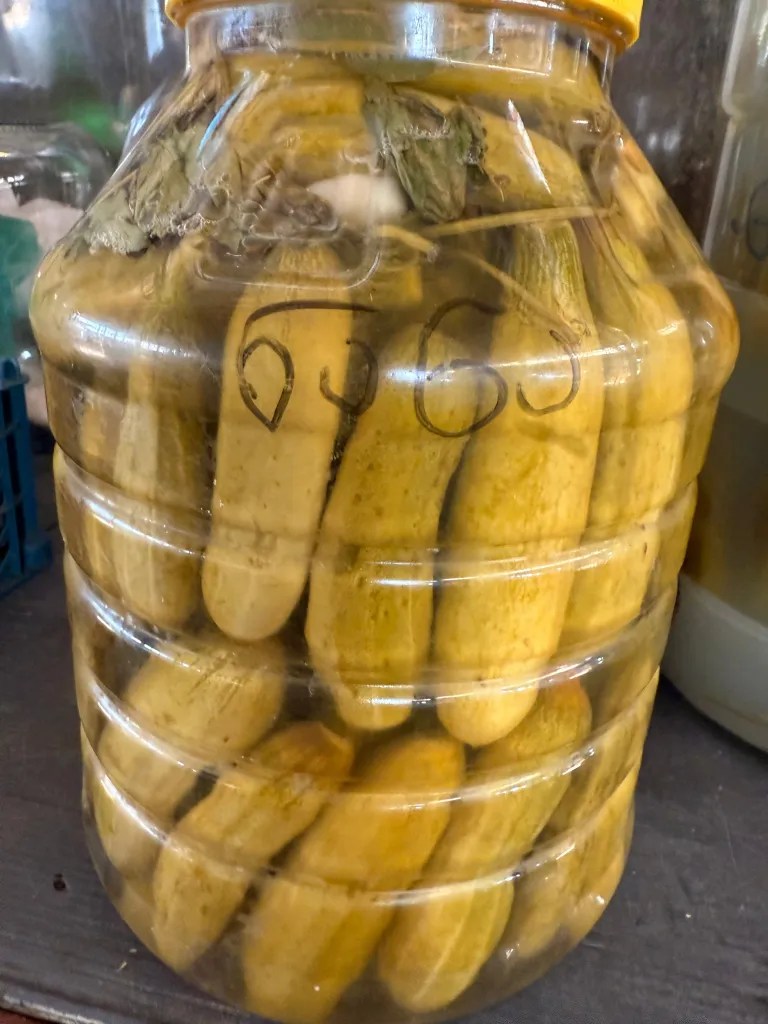
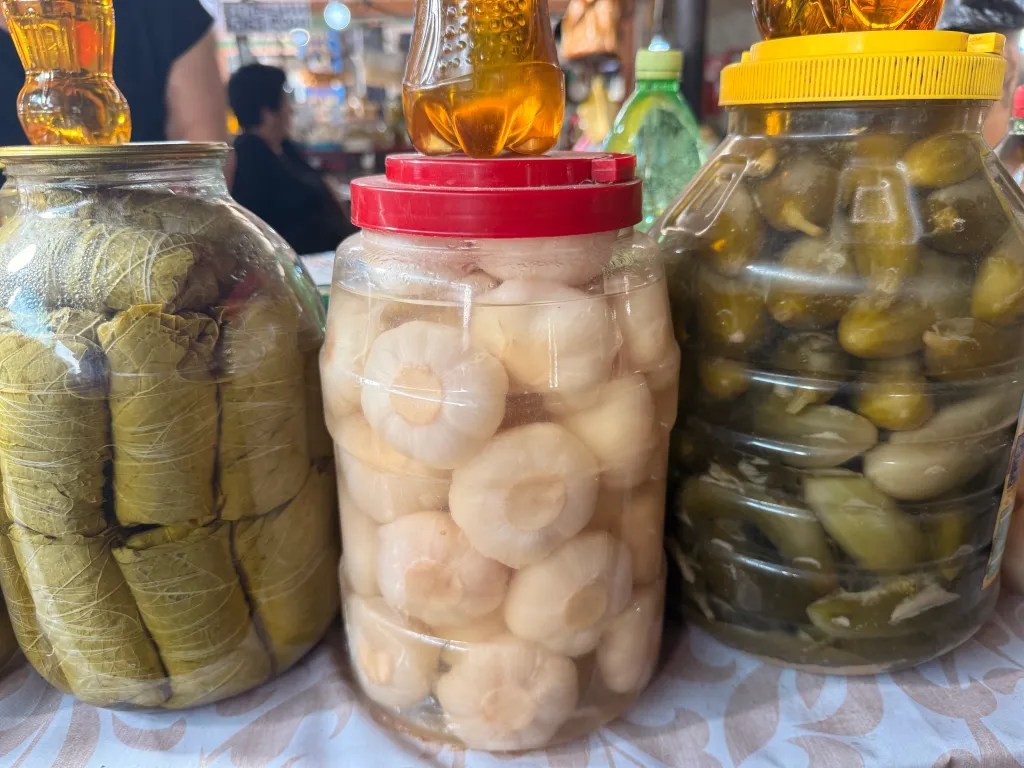
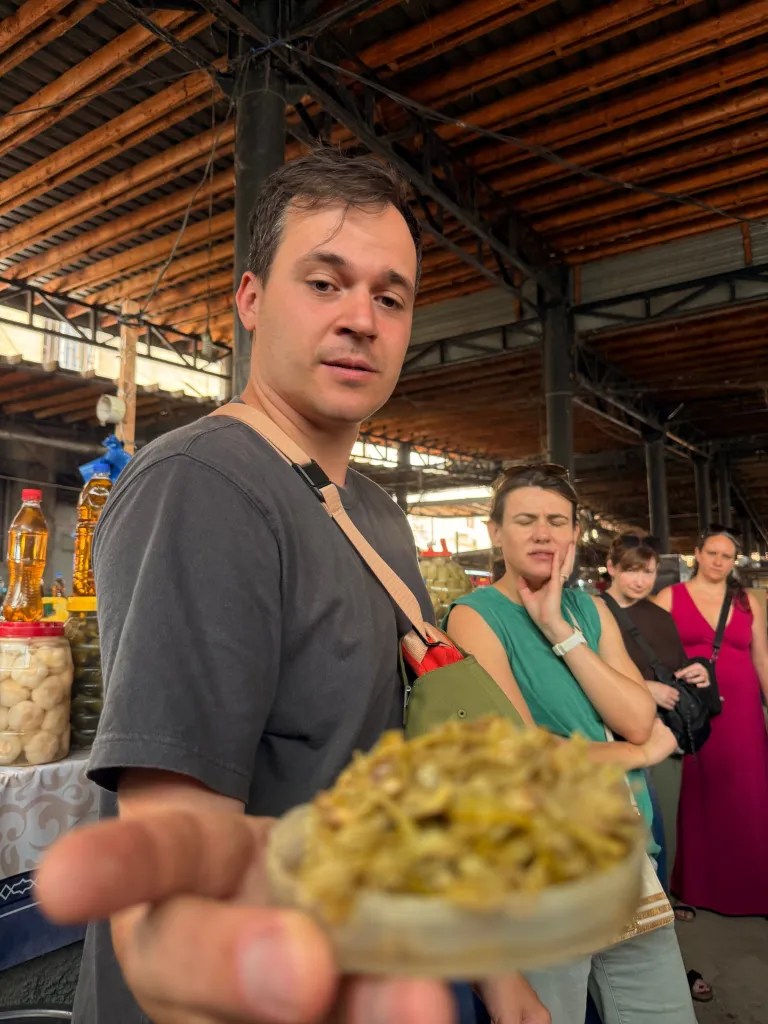
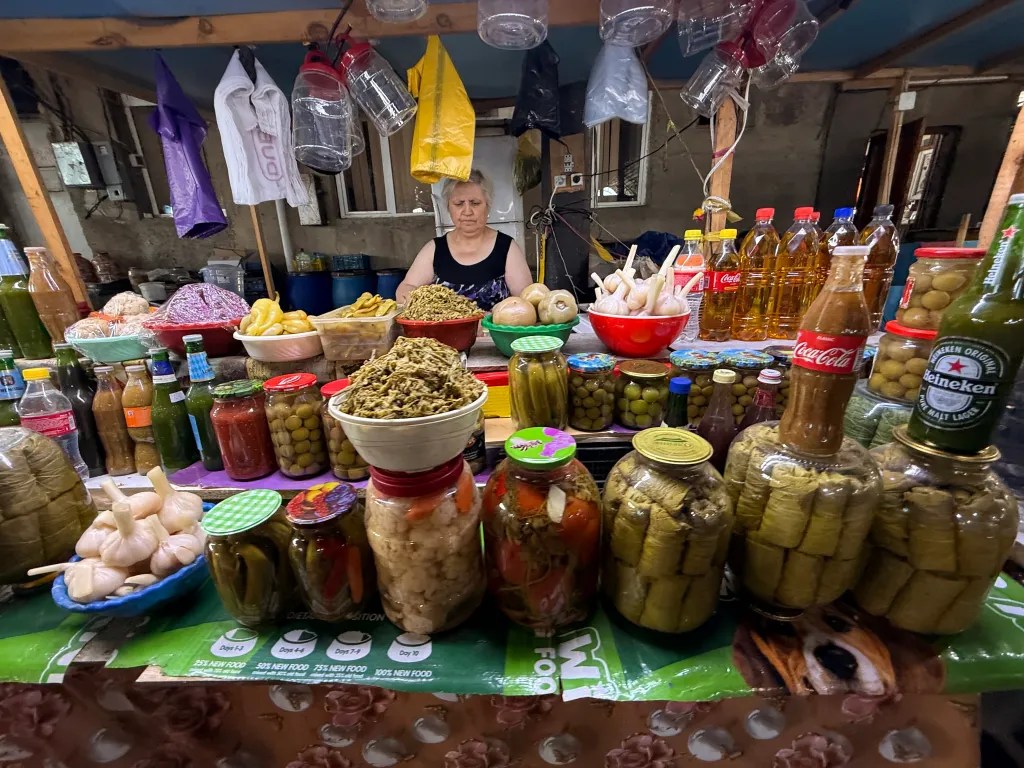
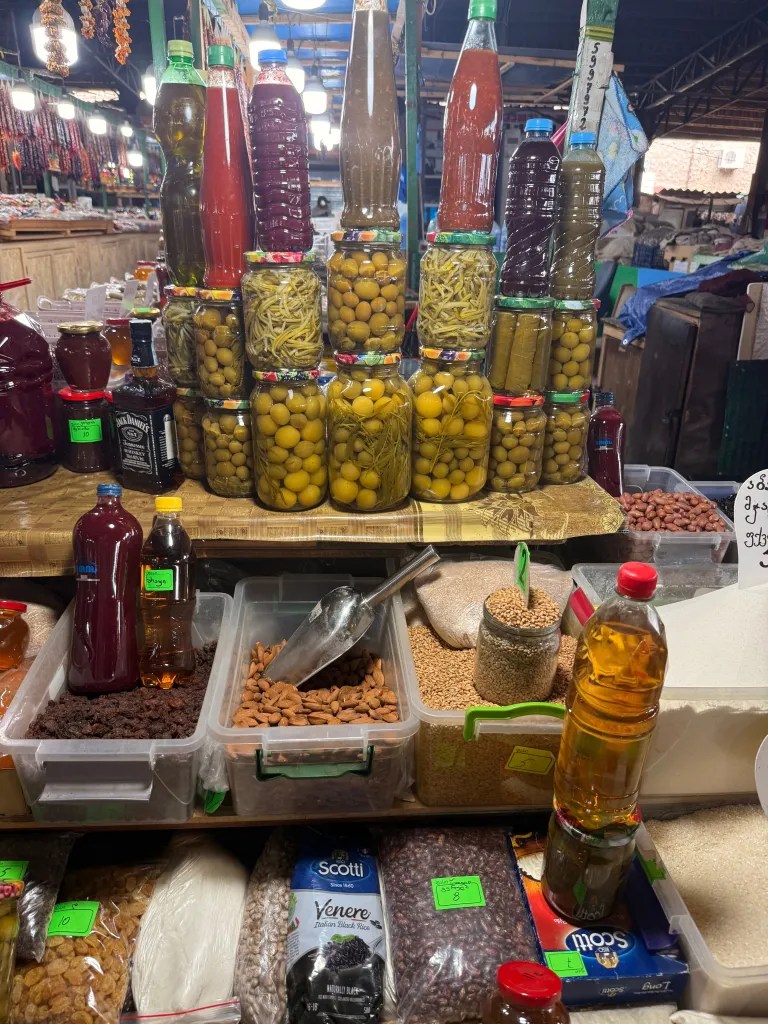
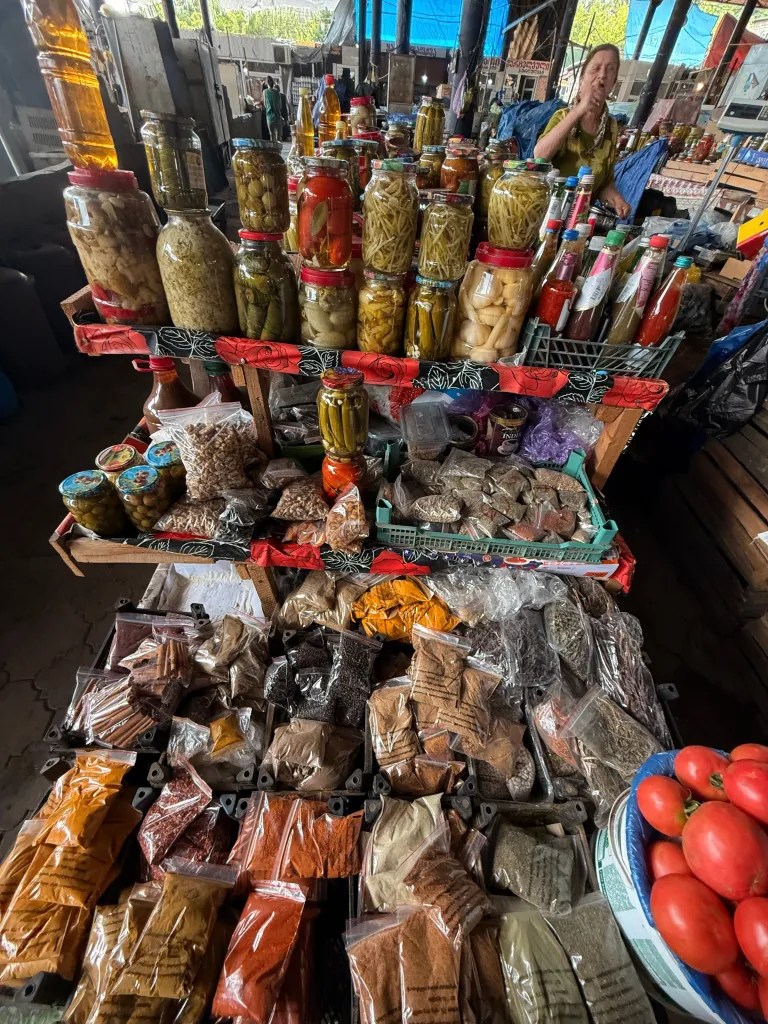
After departing, we immediately stopped to check out the market place in Telavi, just as we had done in Sheki. Of note: the women vendors, booze in jars, poor fish, spicy pickles, pigs’ heads, and so much more…

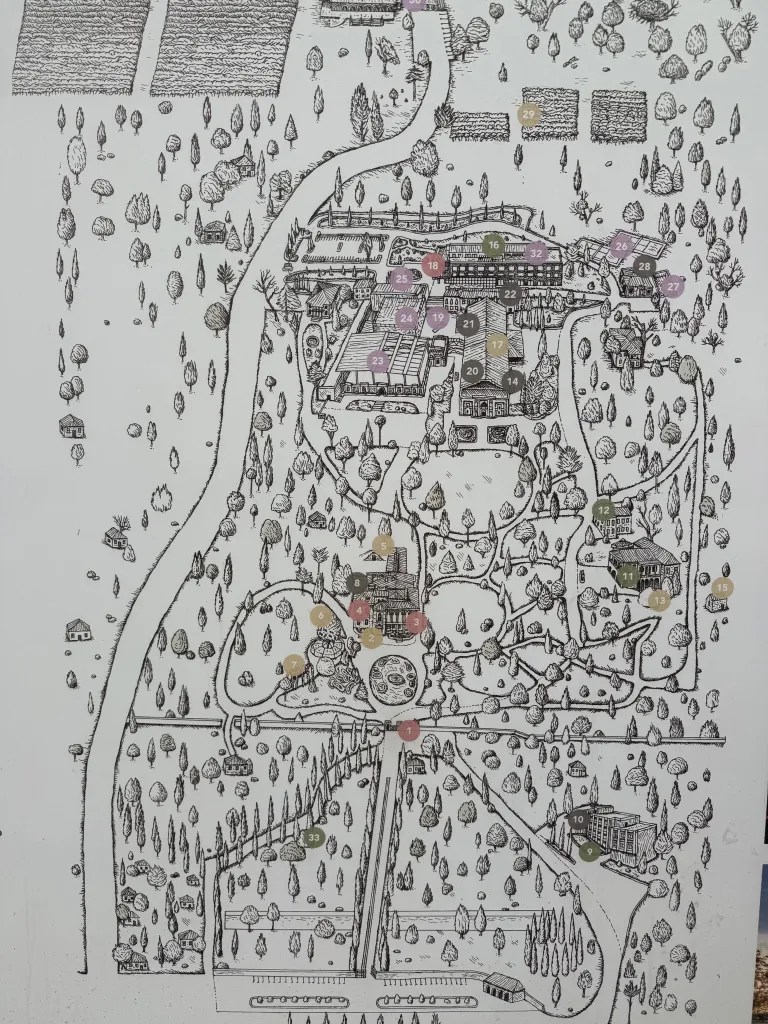
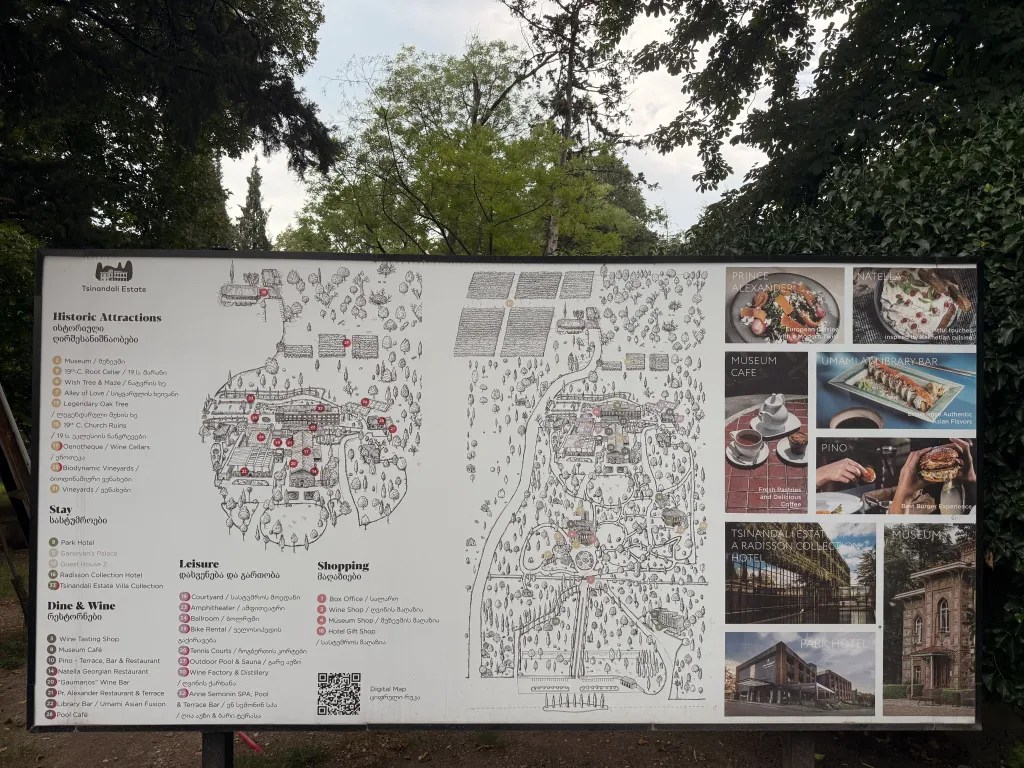
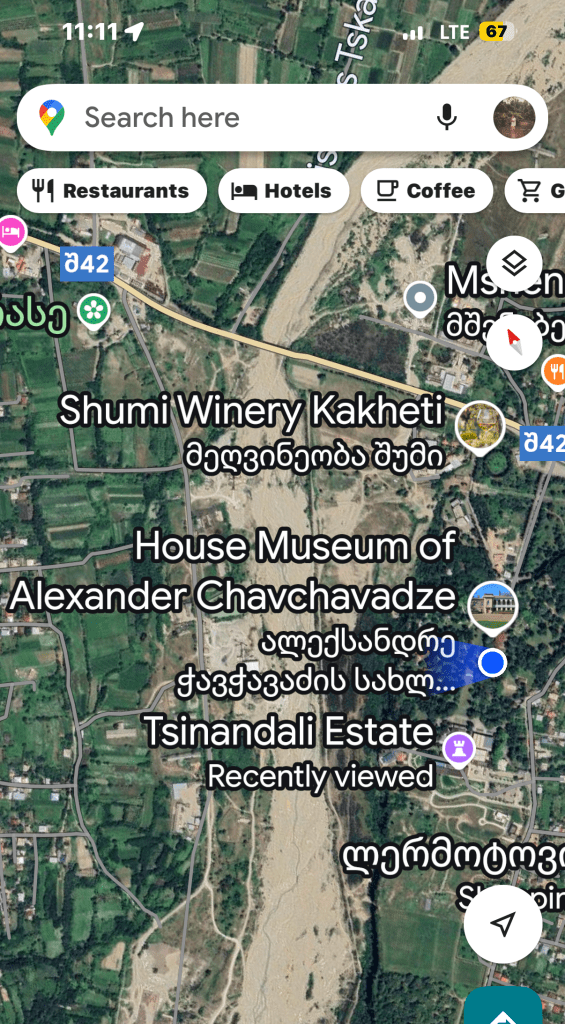
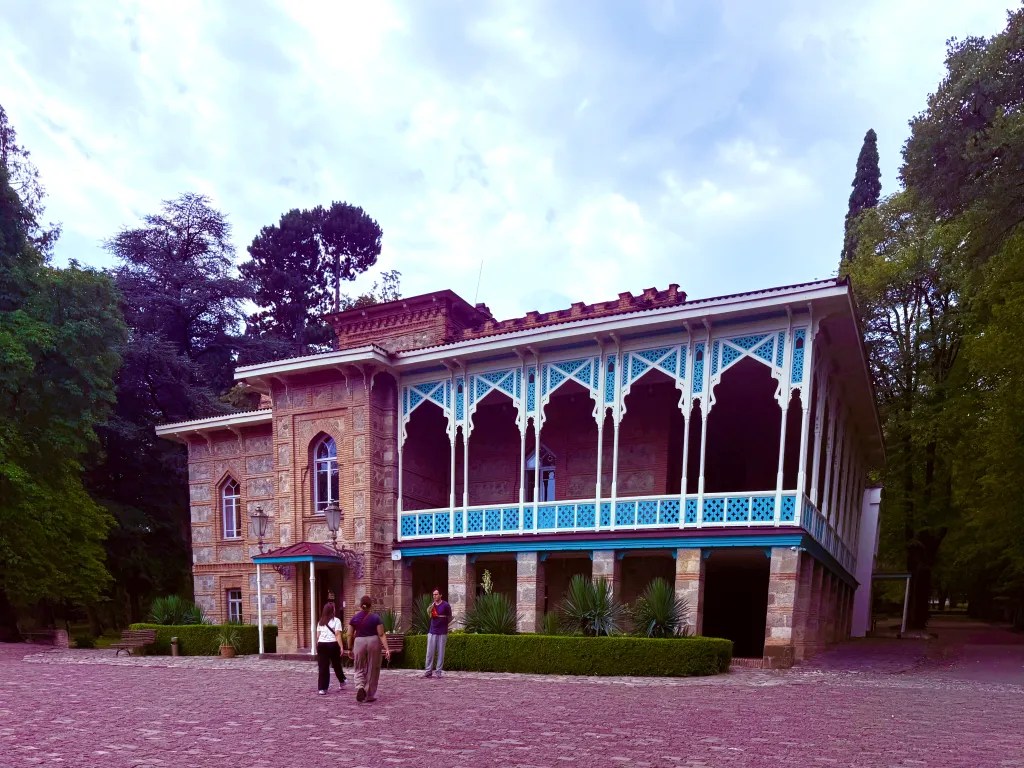
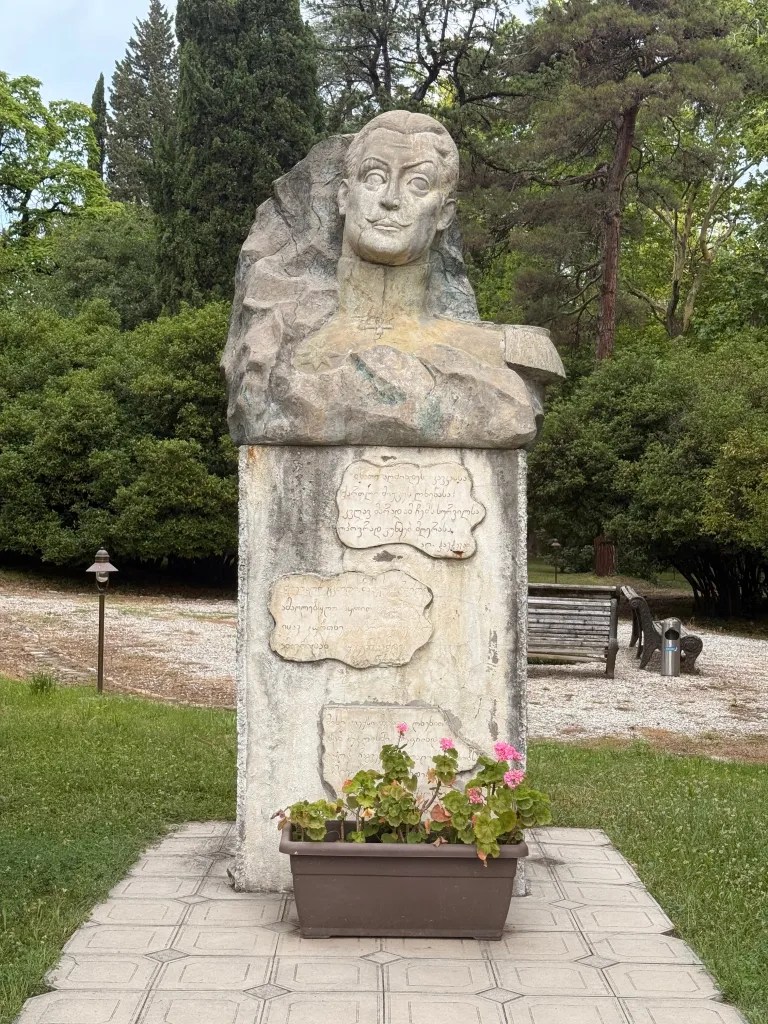
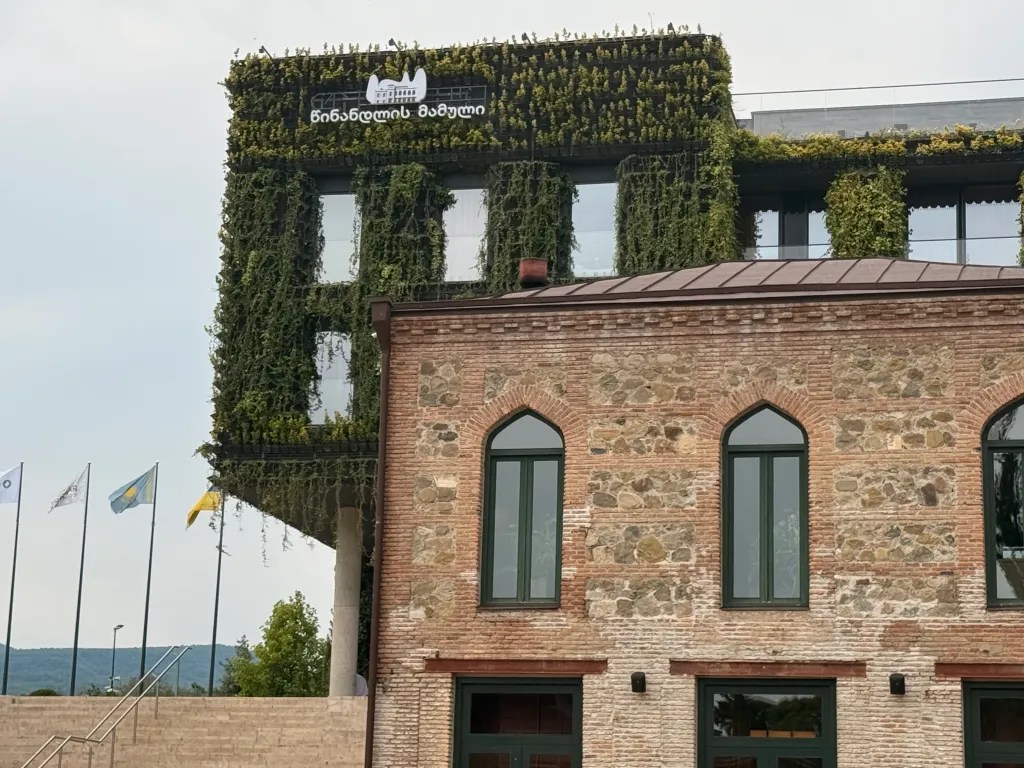
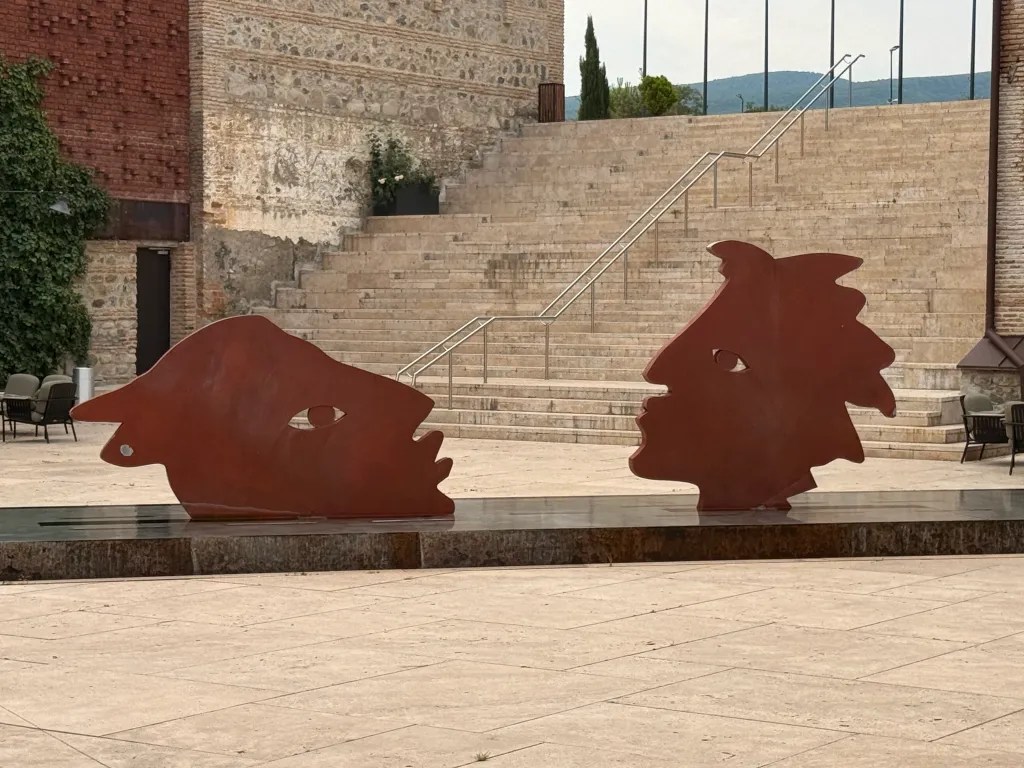
Next, we went to Tsinandali Park to tour the museum and estate of Aleksandre Chavchavadze. The first pix in this batch show the estate and the family geneology. The manor house is now a museum through which we were guided, and I managed some surreptitious photography.

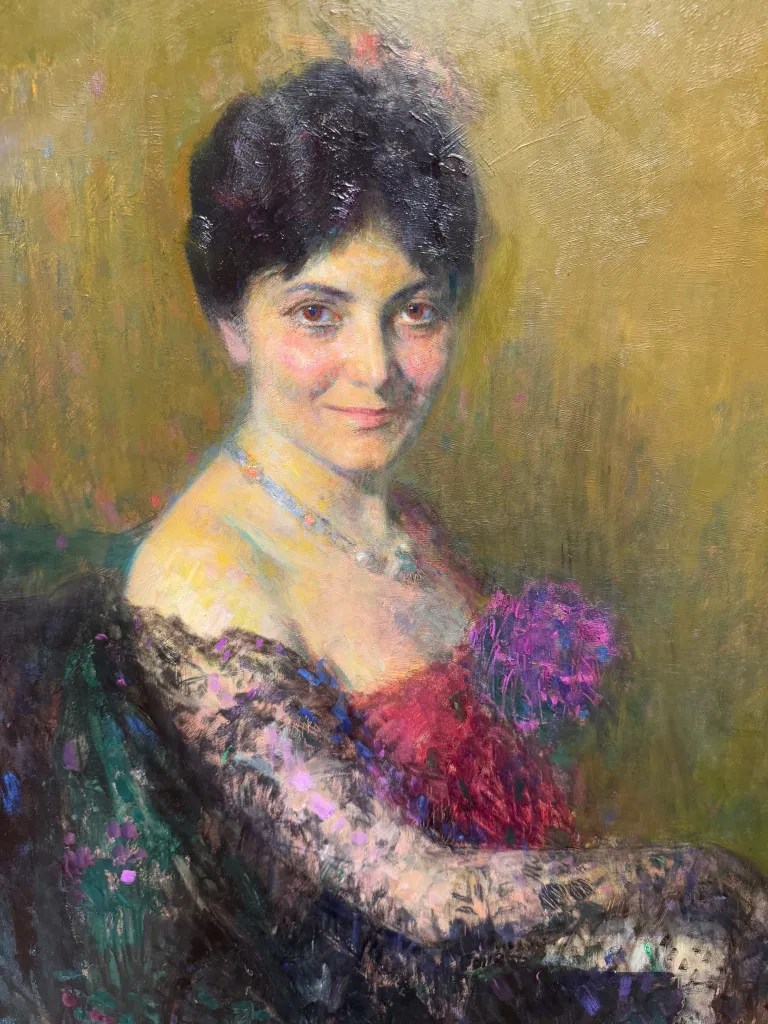
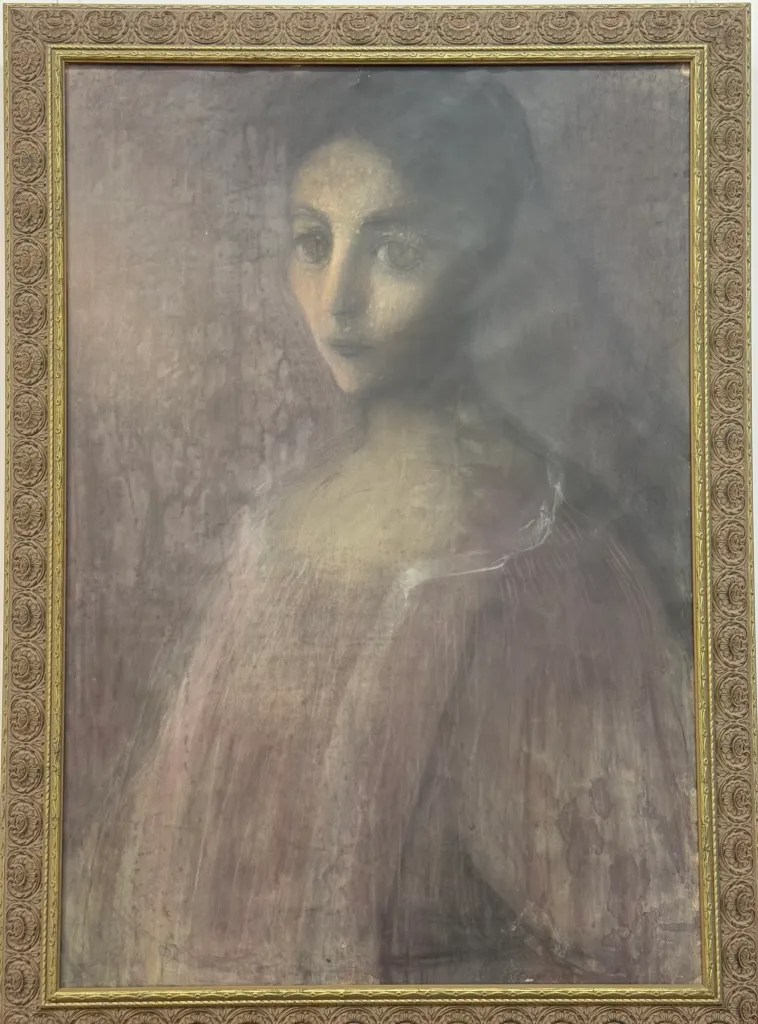
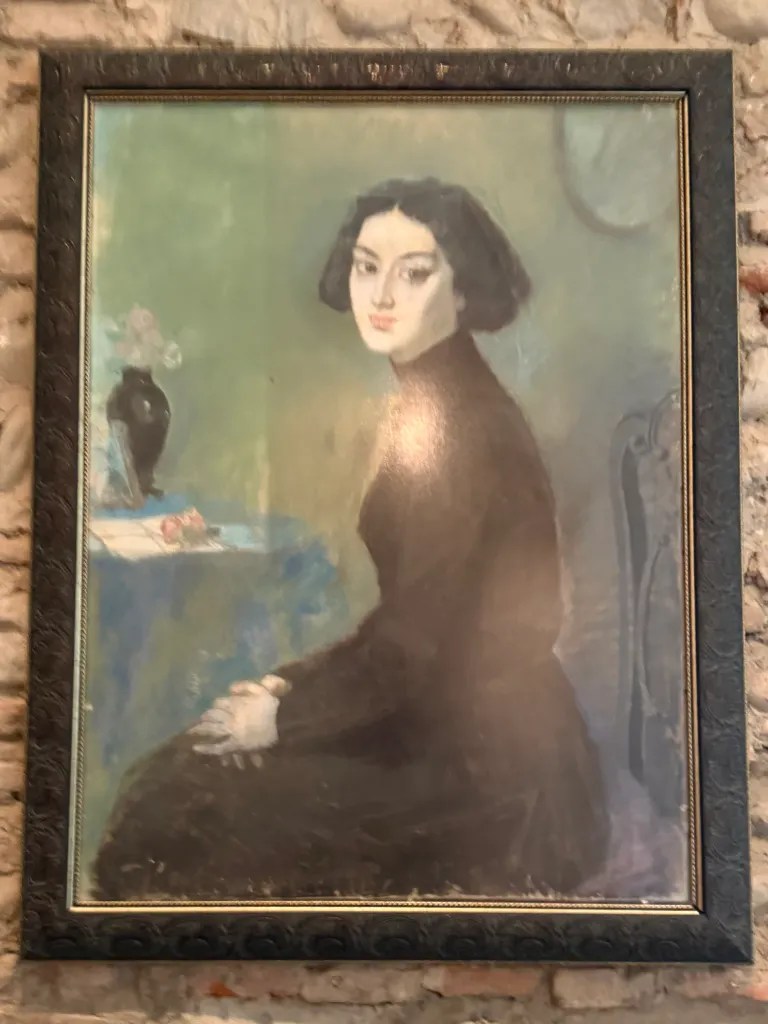
A takeaway story: the lovely lady in the portrait was a daughter, known as the black wideo (or was it something else…?) who was widowed at 17, then never remarried until her early death at 45. Random miscellany involves coin wishes, art, exhibits, and other observations…

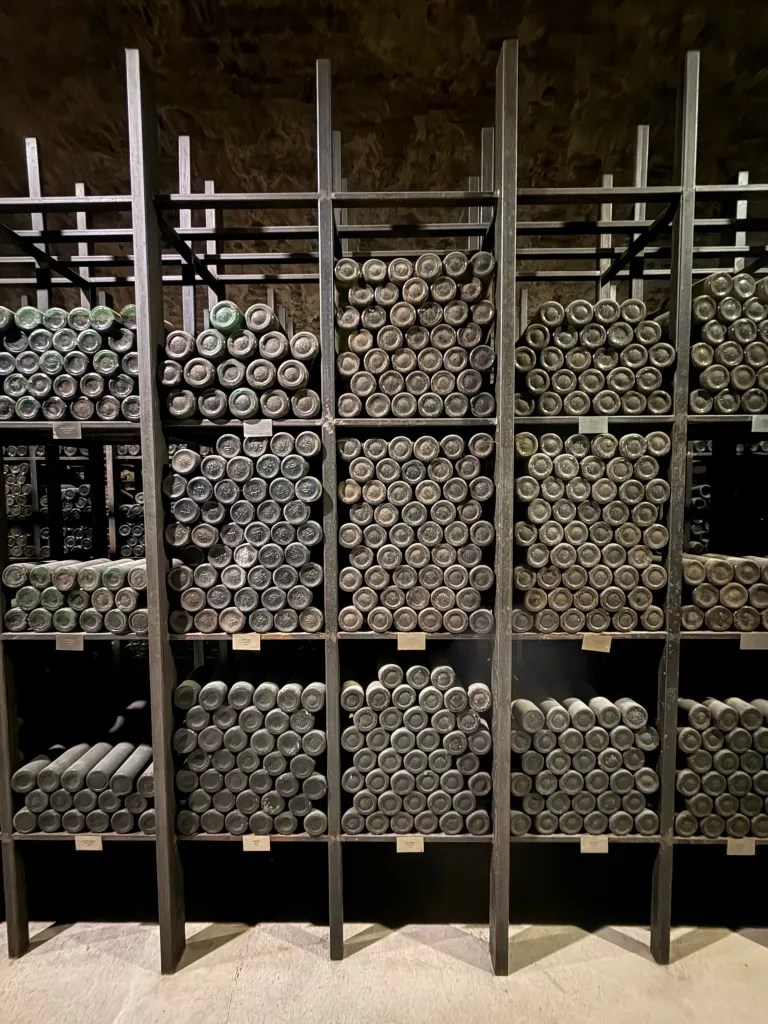
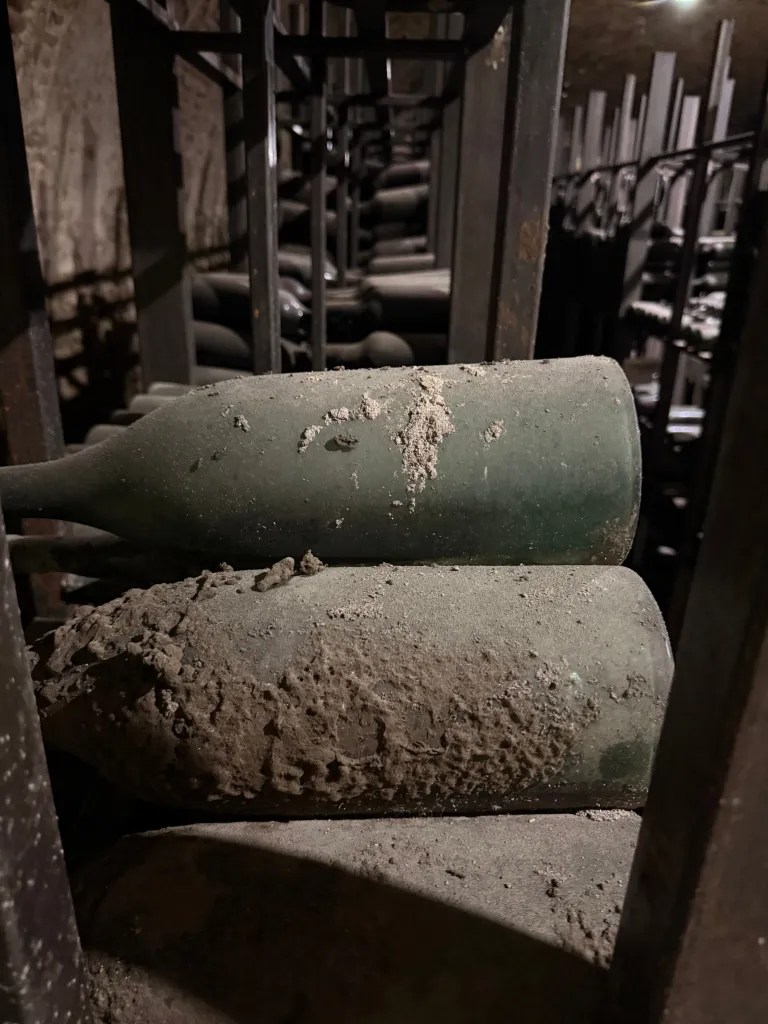
We took a second tour of the winery which features a historical exhibit and huge collection of old wines. Just adjacent is a Radisson Hotel, but we only glimpsed some fancy bits. This batch ends with our Georgian bus/van. Looks great, not much leg room…

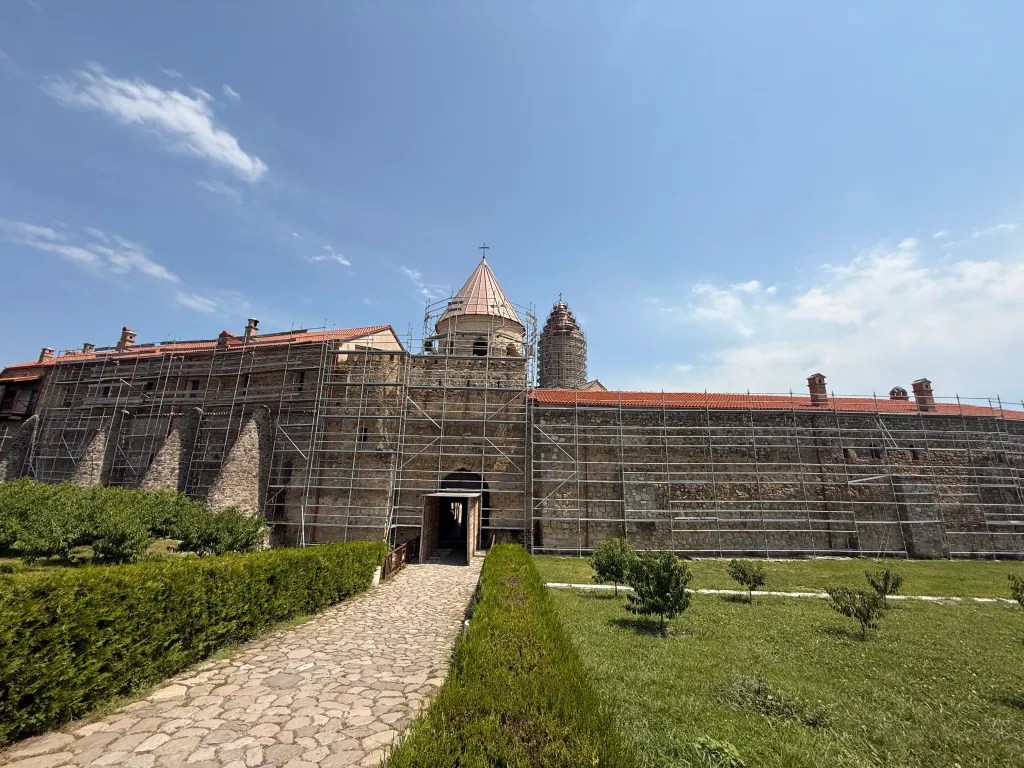
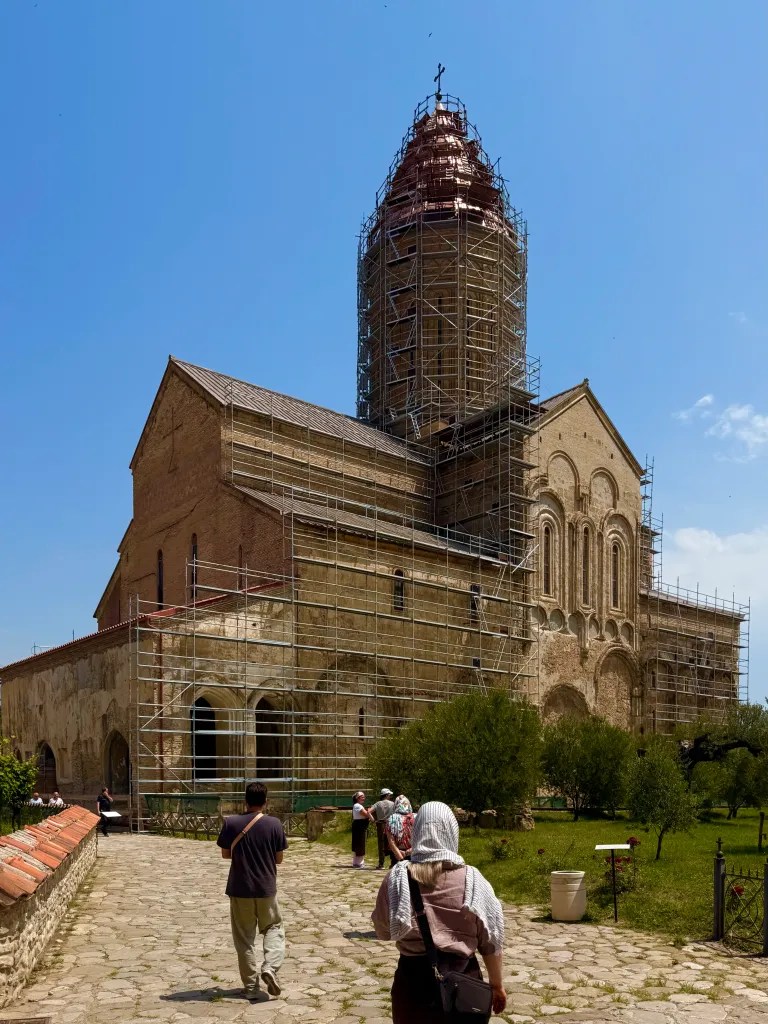
Next, we went to Alaverdi Monastery, which features an ancient cathedral dating back to the 11th century buit by Kvirike III of Kakheti. Afterwards, we had lunch at an adjacent restaurant before driving on into the mountains…

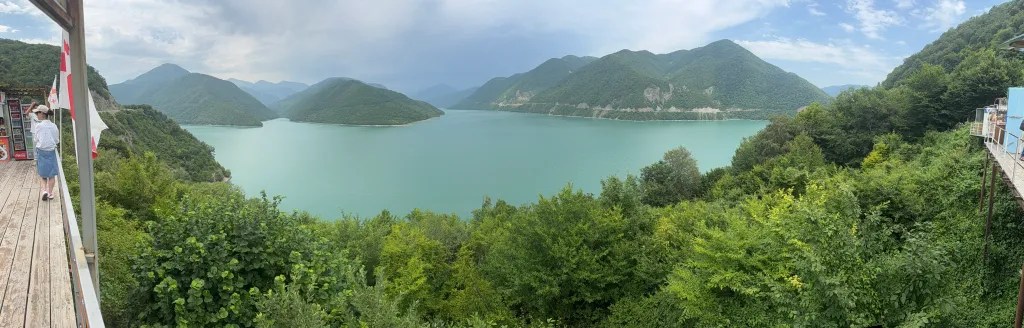
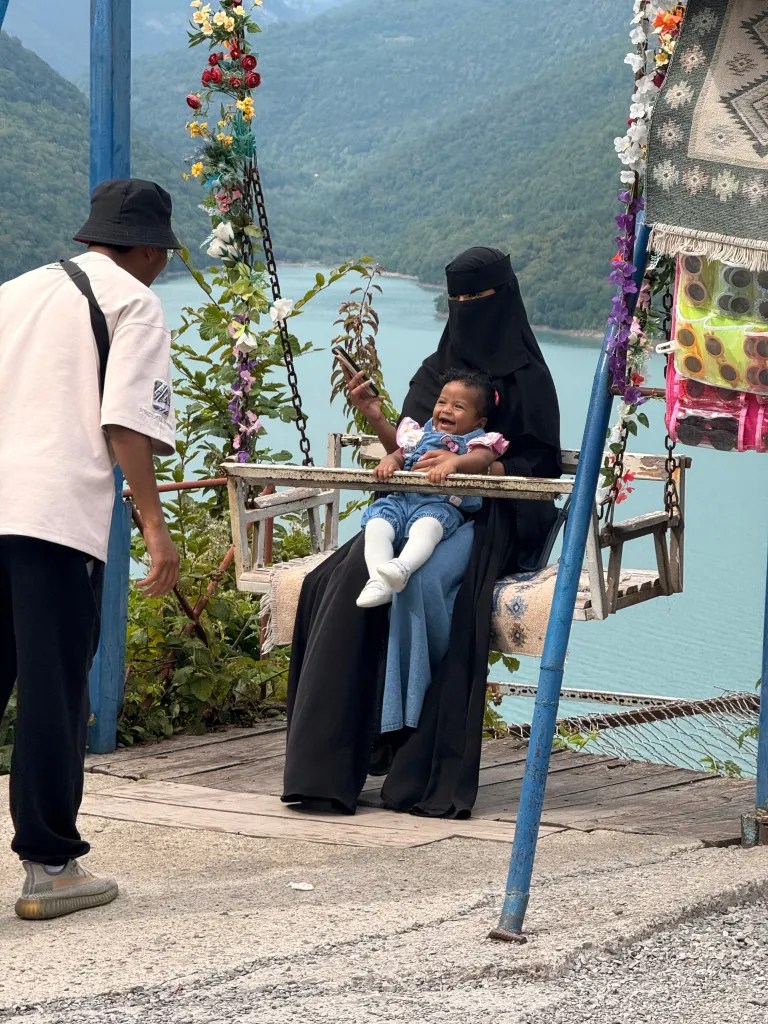
Before getting to our guesthouse in Gudauri, we stopped at a very international roadside rest overlooking a huge reservoir that serves the capital city of Tbilisi. There were some fun tourists – like us, orthodox Muslims and Jews, and a variety of ethnicities taking in the view, perusing souvenir stands, and getting some snacks.

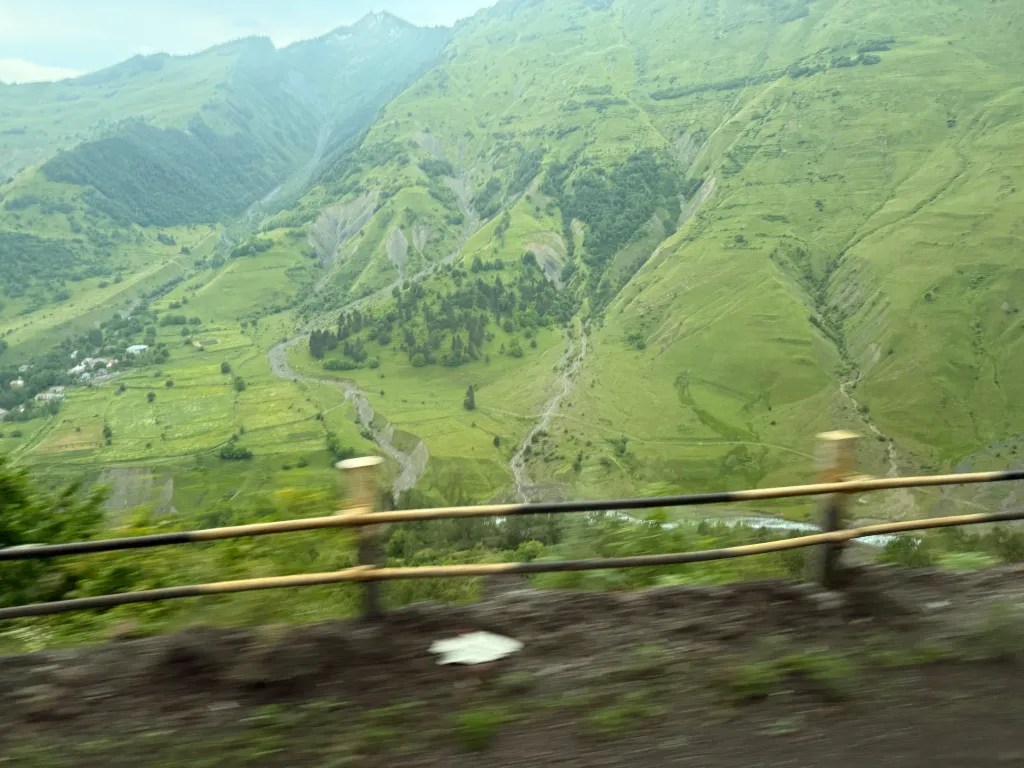
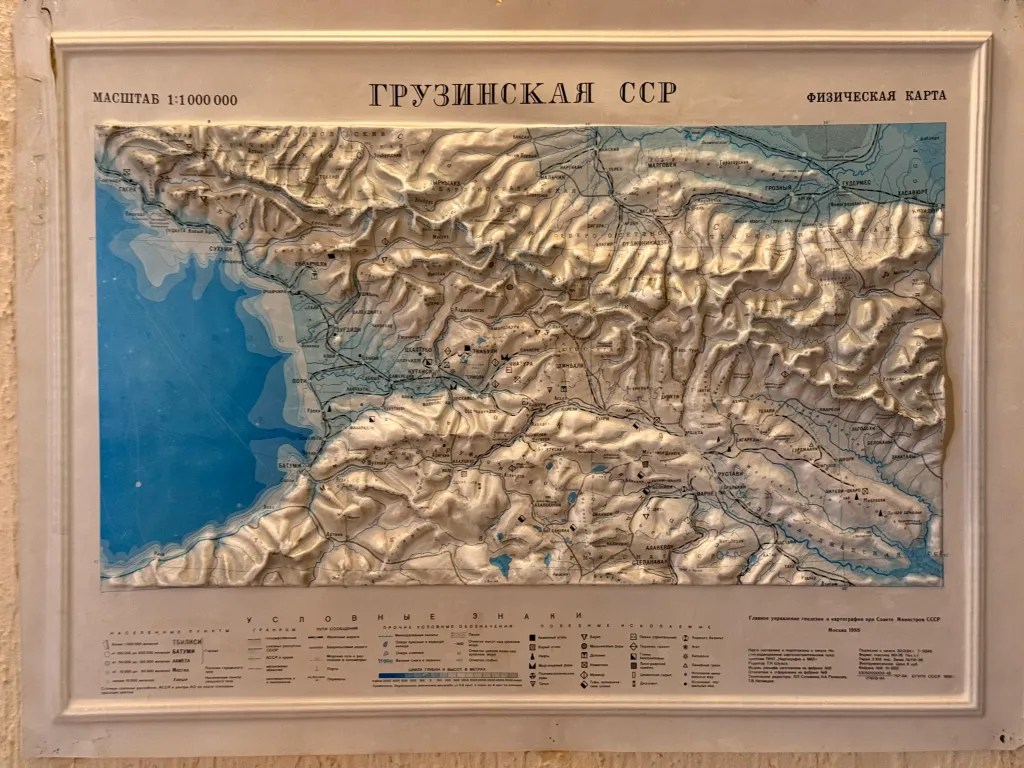
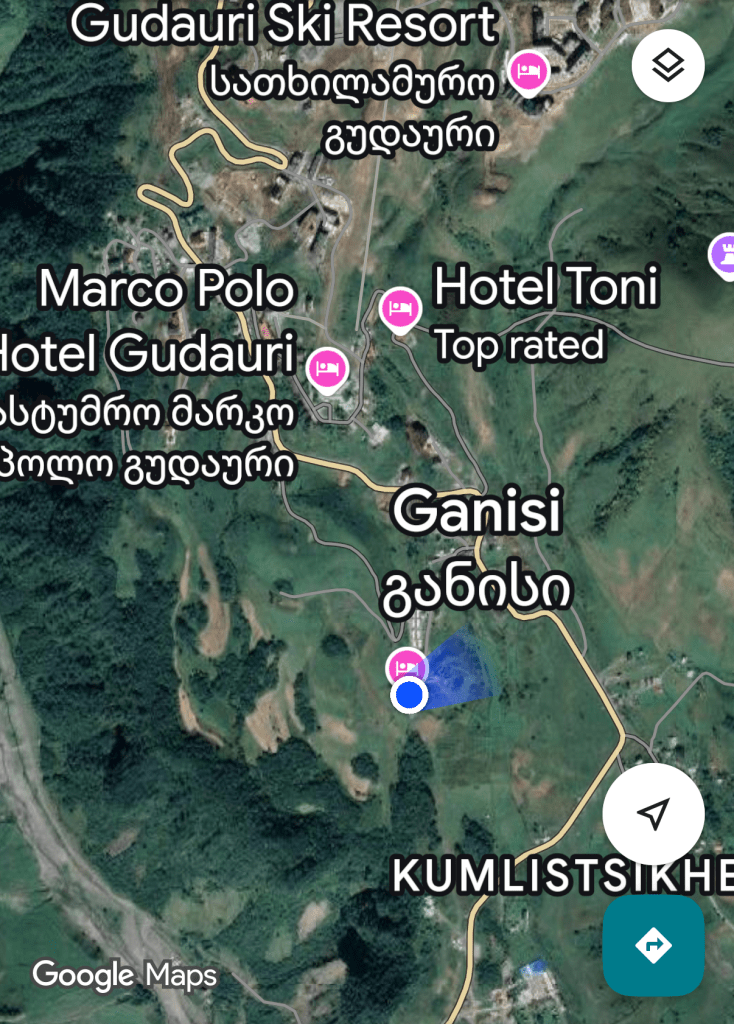
There are some blurry, out-the-window-of-the-bus shots showing the countryside, including a Chinese tunnel project. Our accommodation is funky, cozy guesthouse near a ski resort. I took a short walk, taking in some maps, flowers, frolicking children, and wall adornments…

How about I stop!

Only to start again…

Sheki to Telavi

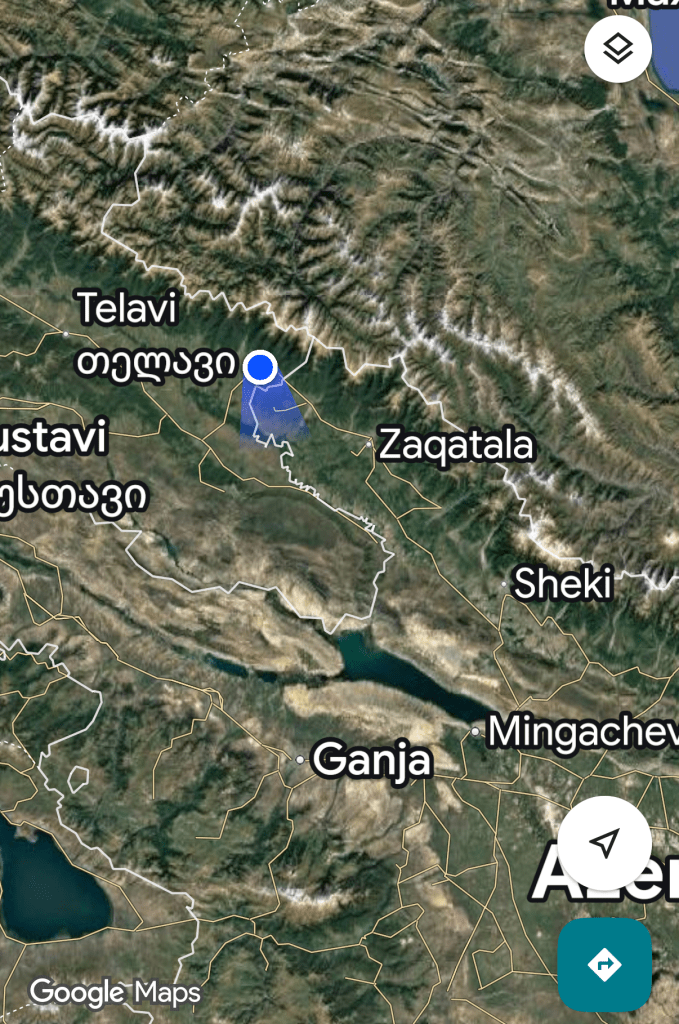
Actually, this post takes us from Azerbaijan to Georgia – an interesting international border crossing!

And for the curious, find out the difference between the Caucasus region and the Caucasus Mountains (home of Europe’s highest peak, Mt. Elbrus).

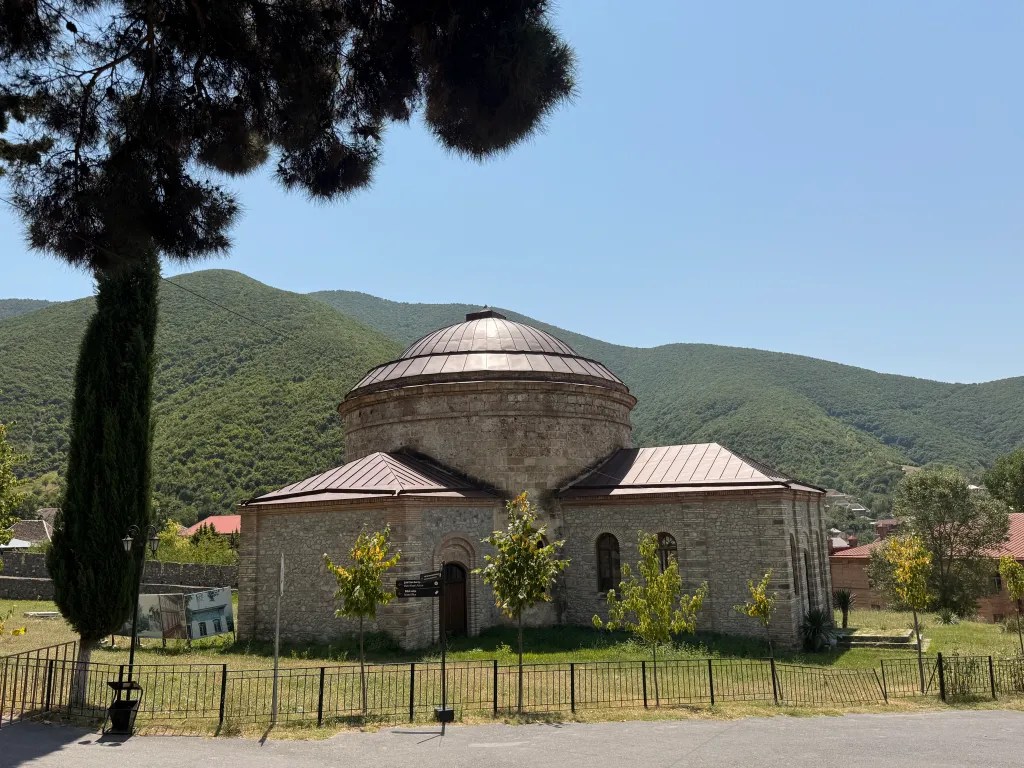
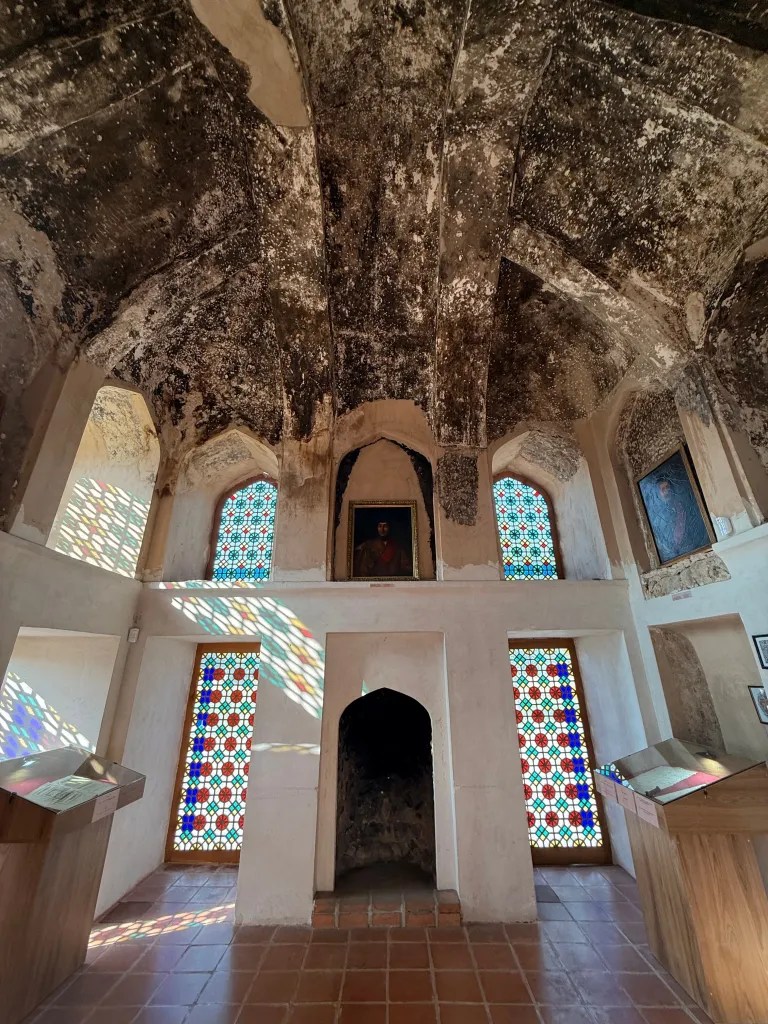
We had two nights in Sheki, so it’s featured prominently. The morning after our first night, we went to the Palace of the Sheki Khans. Photography is not allowed inside, but you can see some of the many ornamental paintings and stained glass windows here.

The palace is within the Sheki Fortress, and the neighborhood features several artisanal workshops. This batch is about the ceramics studio (and some paintings). Inspiring tiles & sculptures…

Next, we went to a woodworking shop where four generations of the same family makes intricate stained glass windows by carefully cutting wood to fit it all together without glue or nails. This batch starts with a Lada and some tea and includes some family photos…

Next, we went to

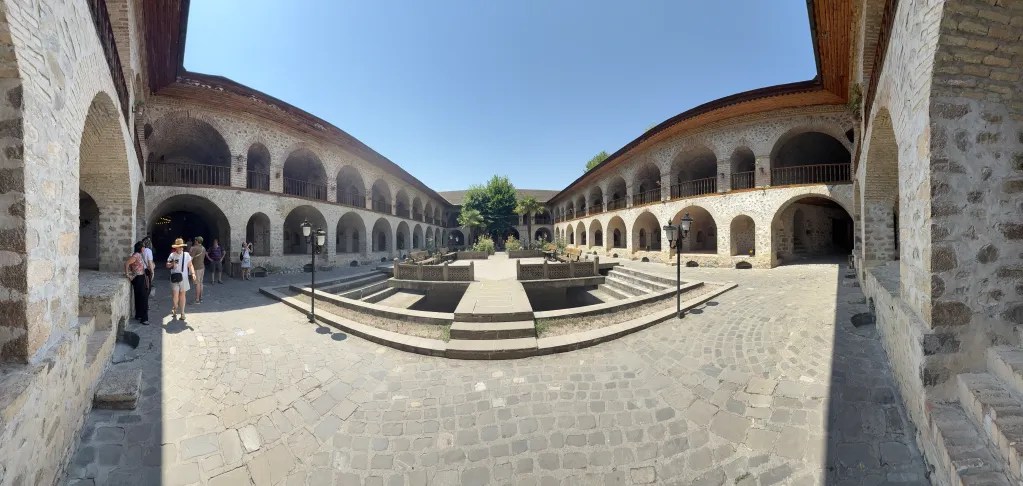
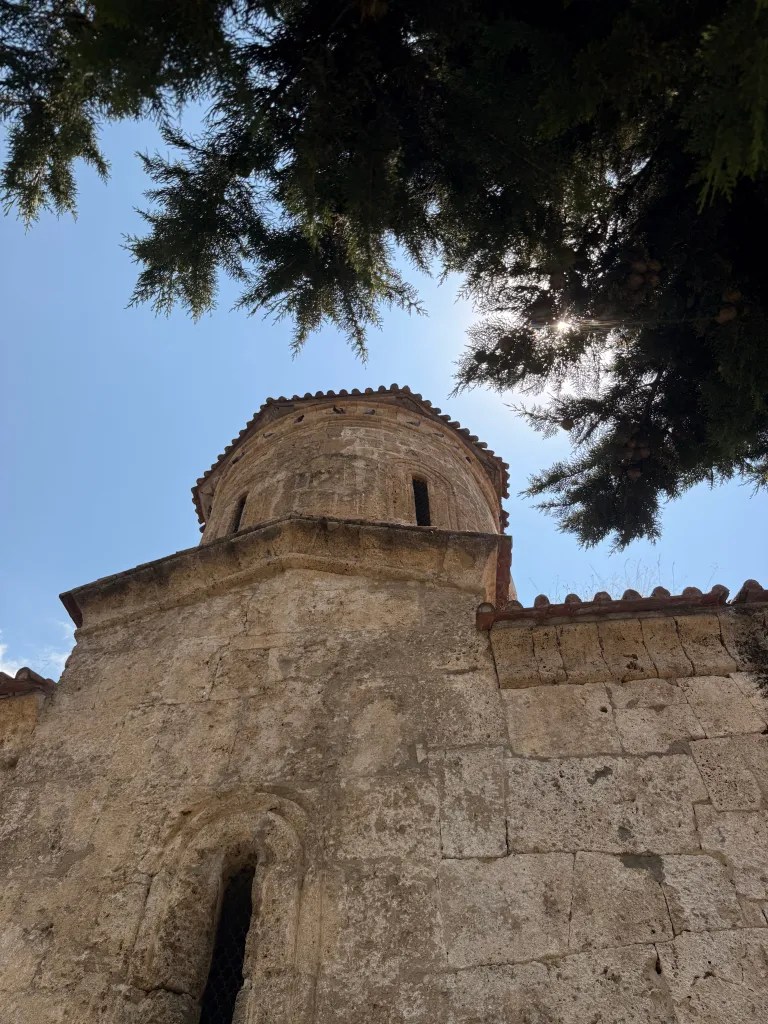
Again we were driven by a fleet of four taxis to the village of Kish to see the famous Albanian Church (now a museum) and have lunch. I got to ride with the boss of the whole operation – Ilhame – who deftly navigated the cobblestone streets driving an old stick shift Lada and makiing numerous business calls on her Android. There, we had a little tour from an enthusiastic local who gushed with information. Interestingly, there were several exposed digs of crypts and the graveyard.

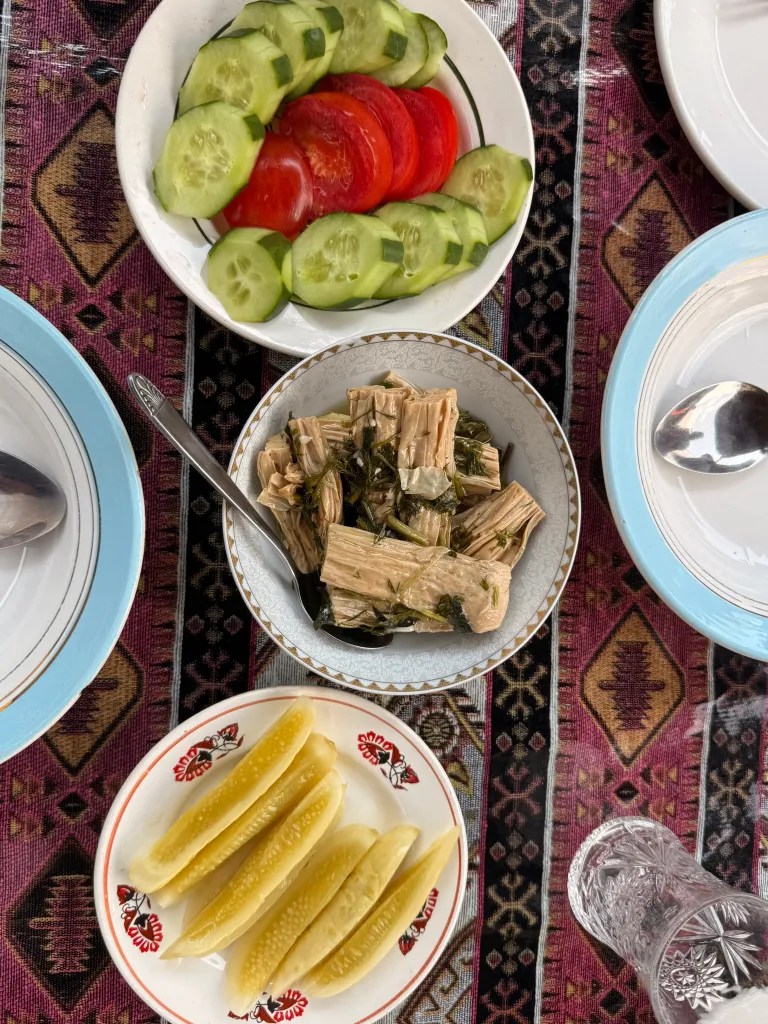
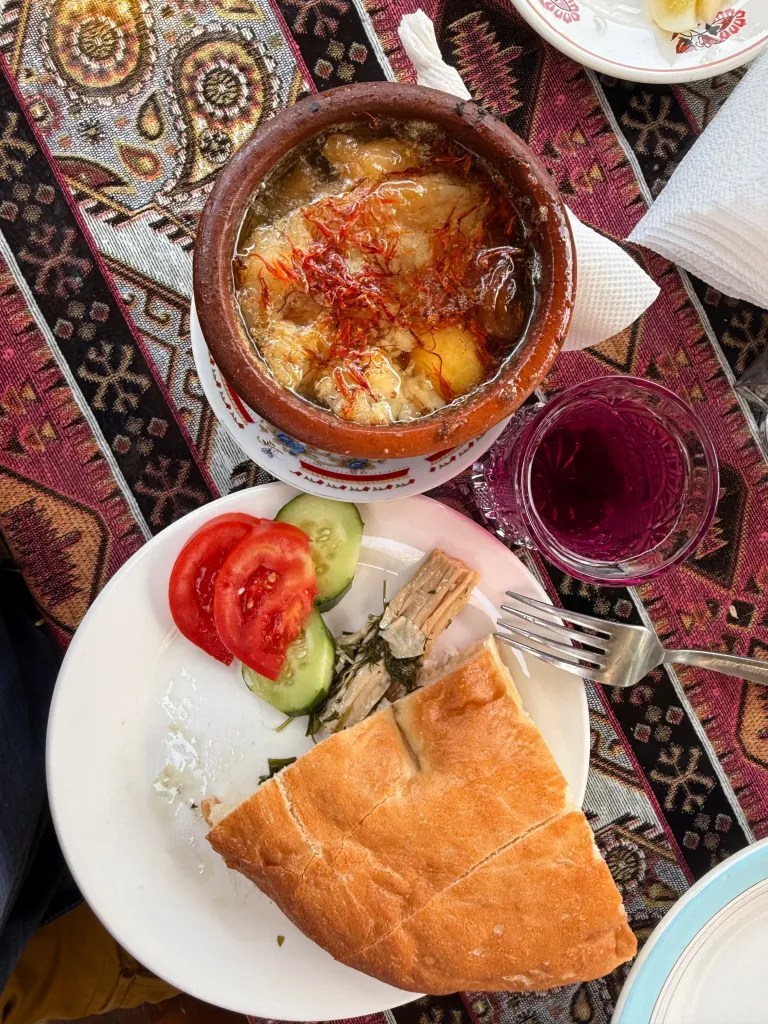
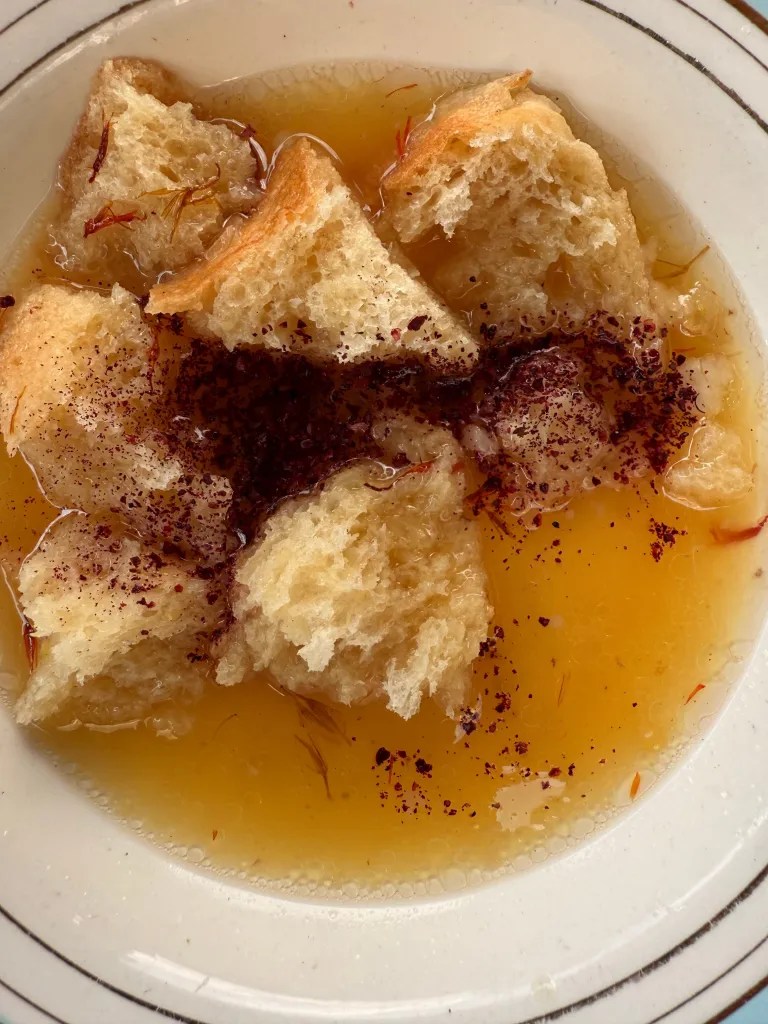
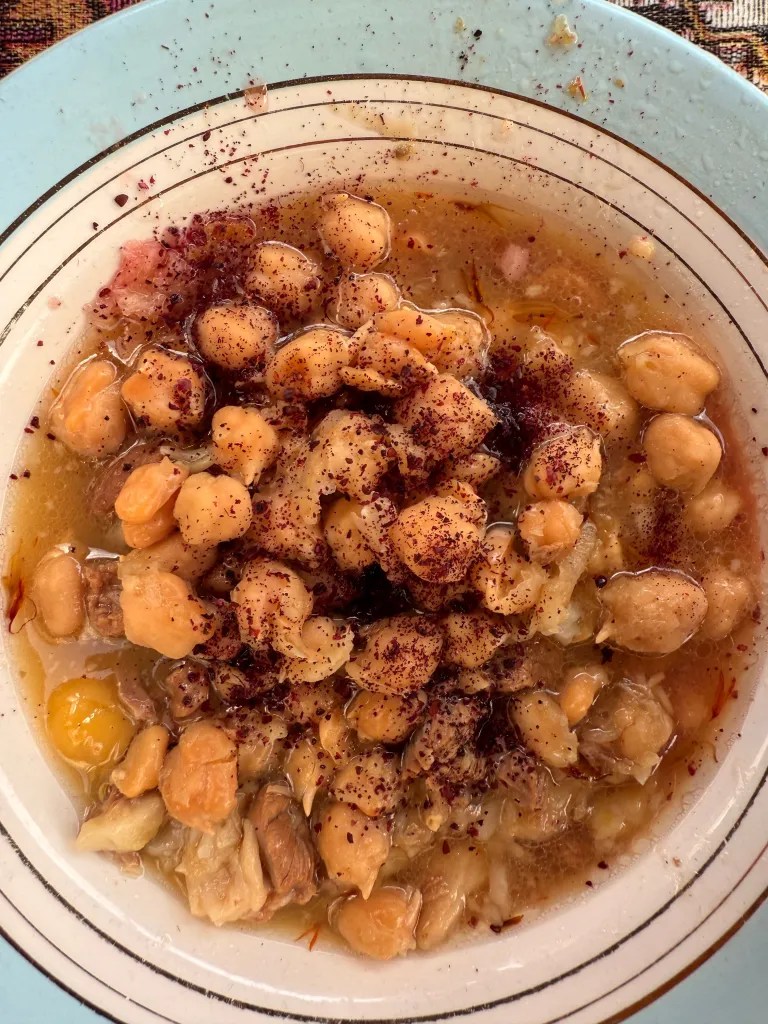
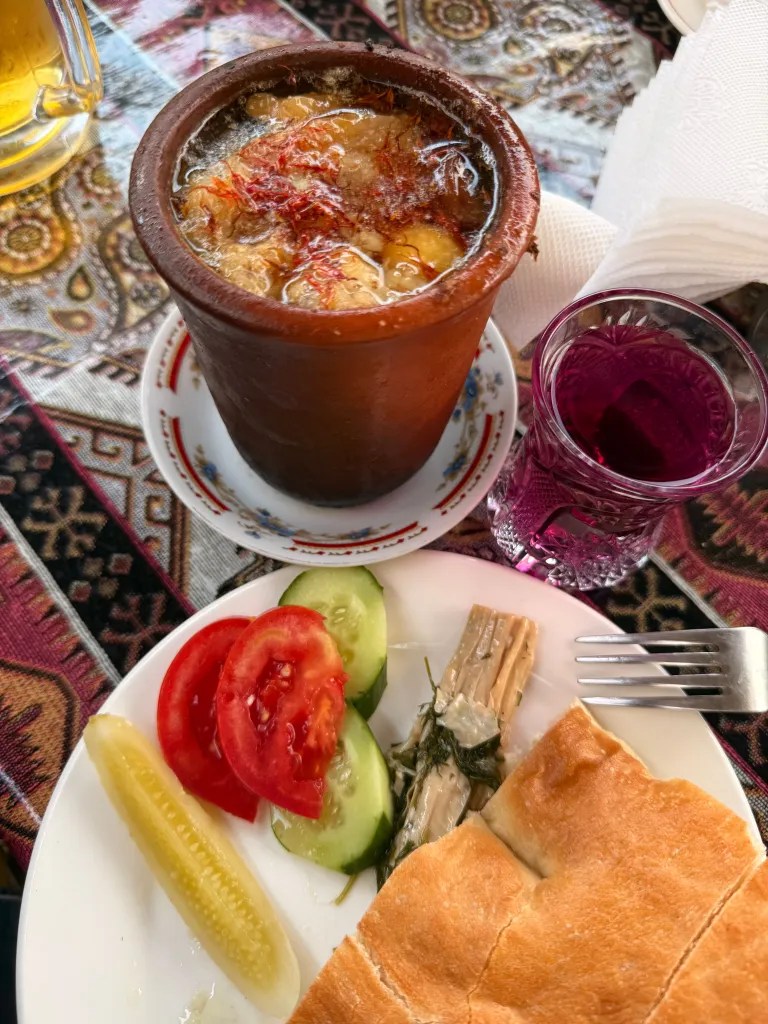
Lunch was an amazing cultural experience. Can’t remember the name of the tandoor-like dish topped with lamb ass fat, seasoned with saffron and sumac.

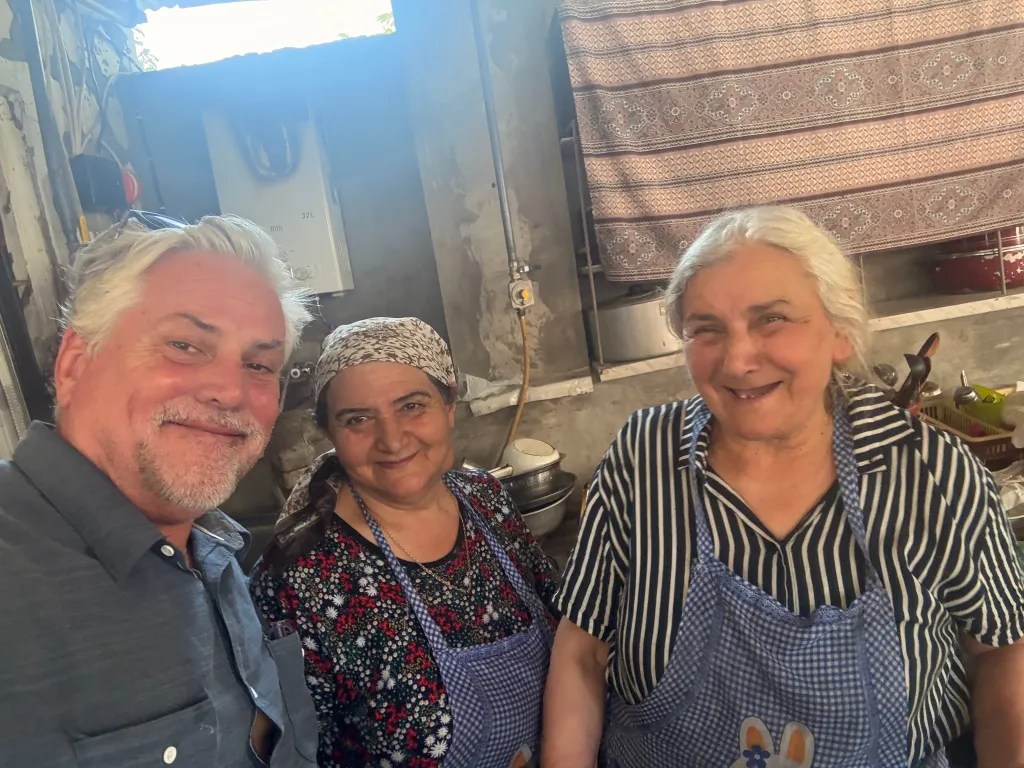
More significantly, our host, my taxi driver, and the doyenne of the whole operation (restaurant, guesthouse, and fleet of 15 taxis), had secured a grant from USAID to support the old women of Kish. Check out the plaque and accompanying signage. Great experience!

Aaaand, the Issam Hotel has a wonderful indoor pool! But it’s used by the kids of the town during the day, so I wasn’t able to get in my laps until nighttime. Nonetheless, it was excellent…

Just four pix from a last evening walk in Sheki – dog friends, blurry shots of ladies socializing in the street, and a little tea shop that served beer near our hotel…

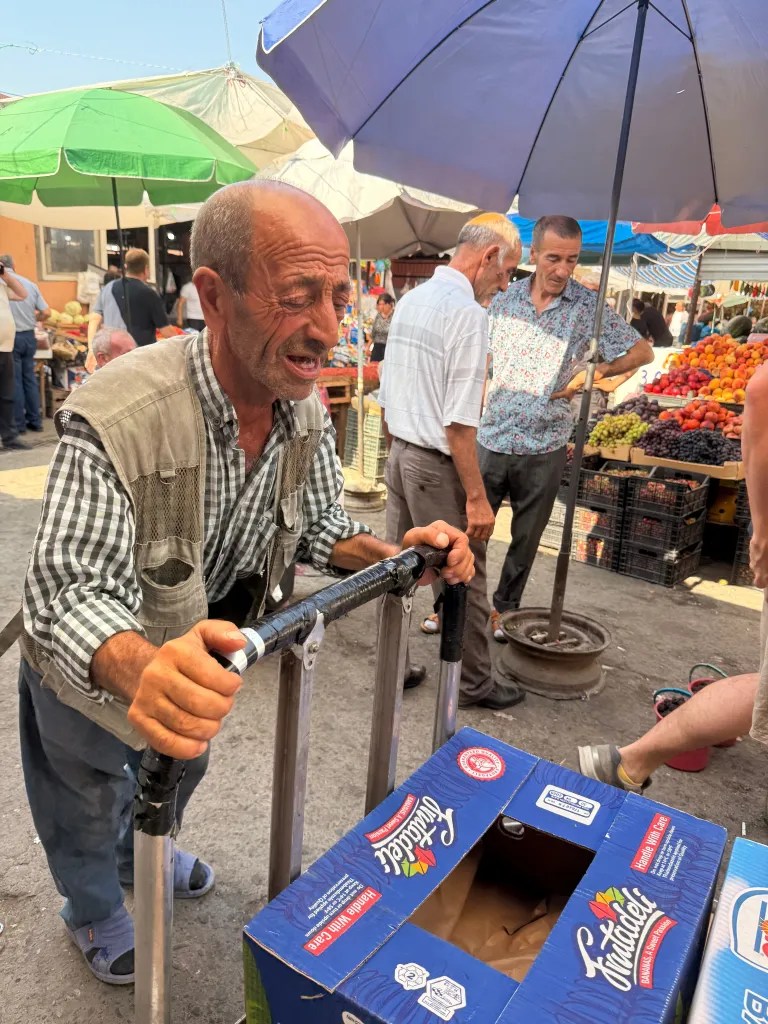
Next day, on the way out of town, we stopped by the local market (not just for farmers!)…

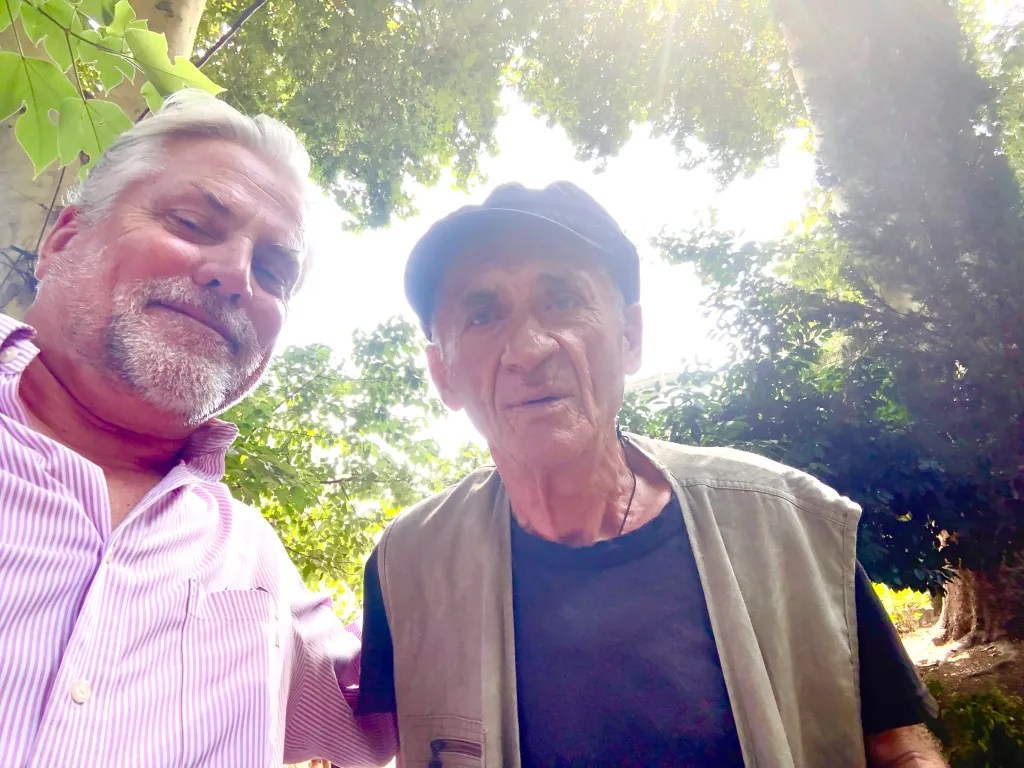
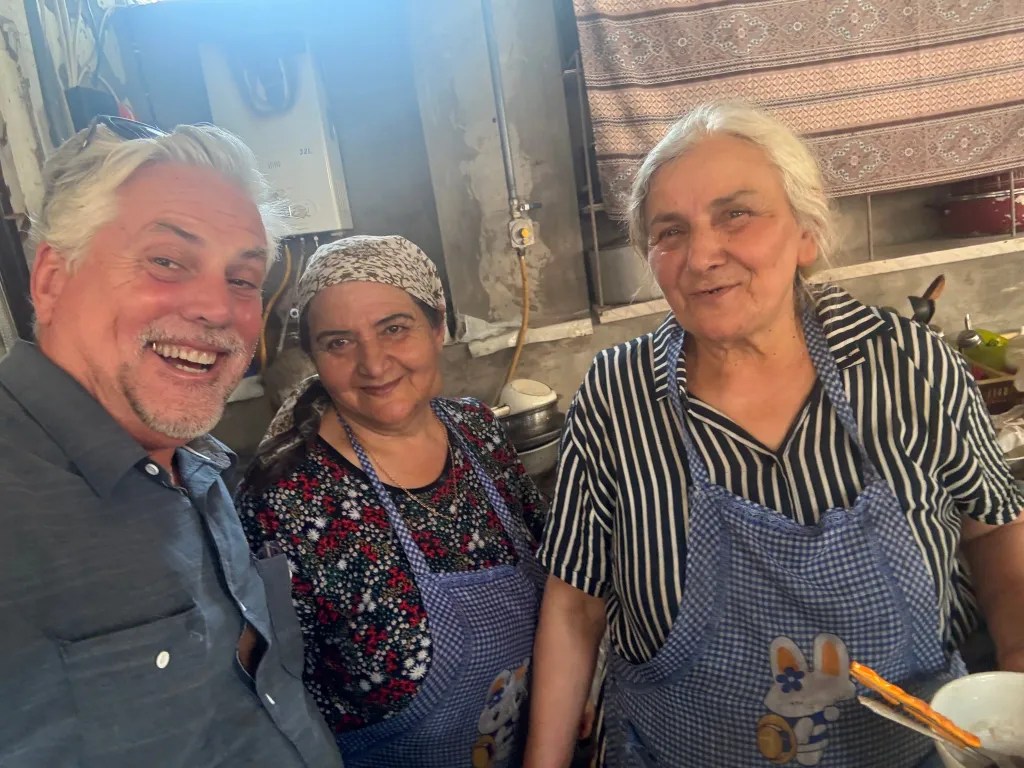
Bought a couple of shirts, so took a couple of selfies! And, can you find the goat’s head, the nice bread guy, and the auto parts store…?

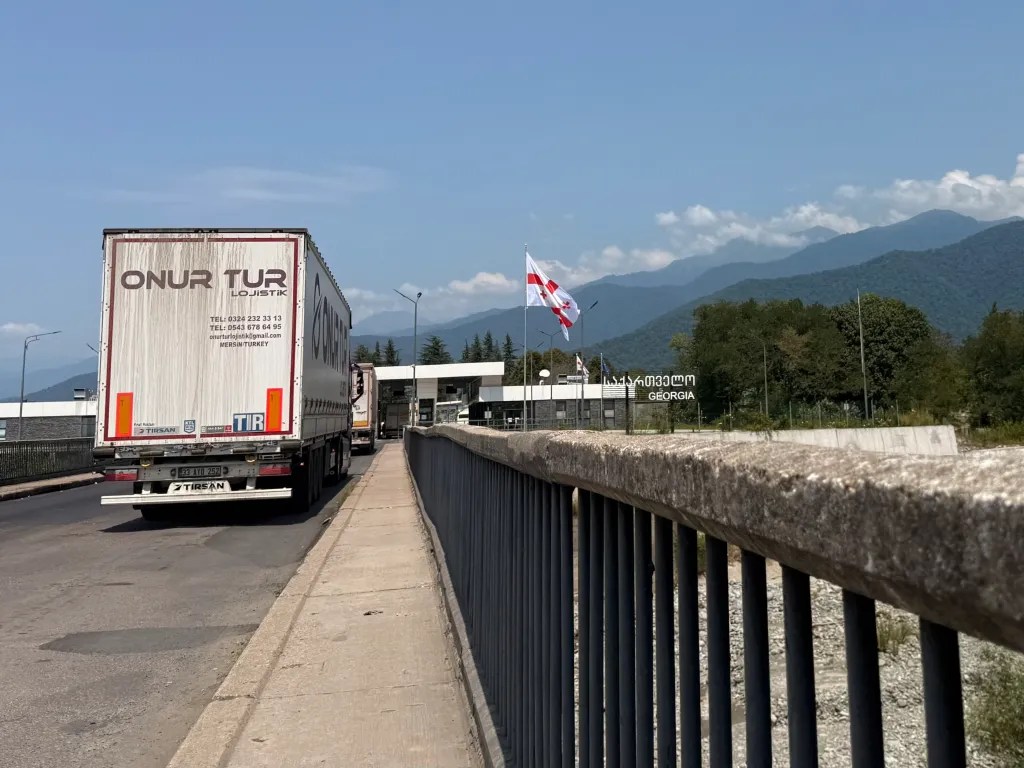
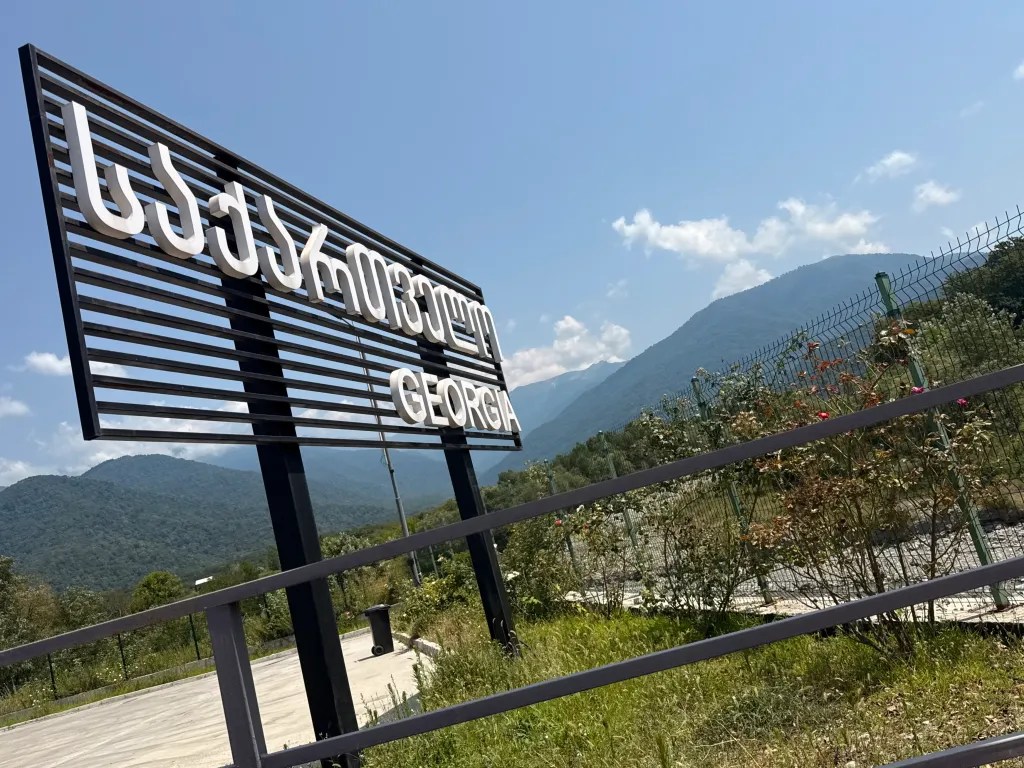
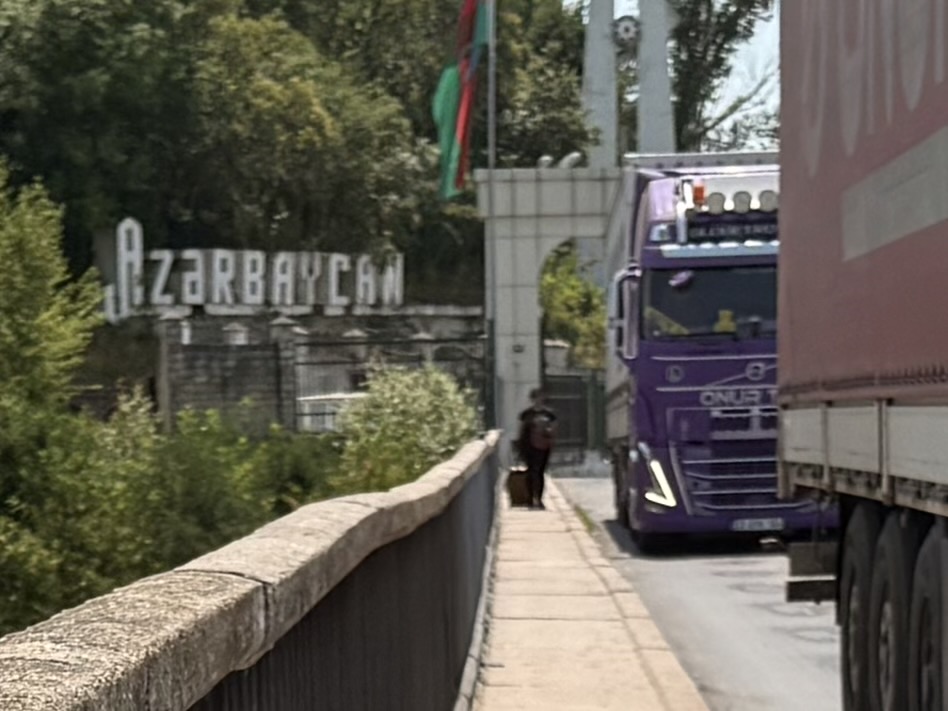
Next on the itinerary: crossing the border into Georgia. It seemed there was more attention to departures than arrivals, but, except for a long uphill walk and a jaunt across the no-mans-land bridge, it went smoothly. (We look close to Russia, eh?)

I had to document my favorite Azerbaijani bills, and capture the Georgian quote in the money changers office. BTW, the Georgian language is not related to any other language family and has three different alphabets. Aaand, the currency is the Lari (how cool is that?)…

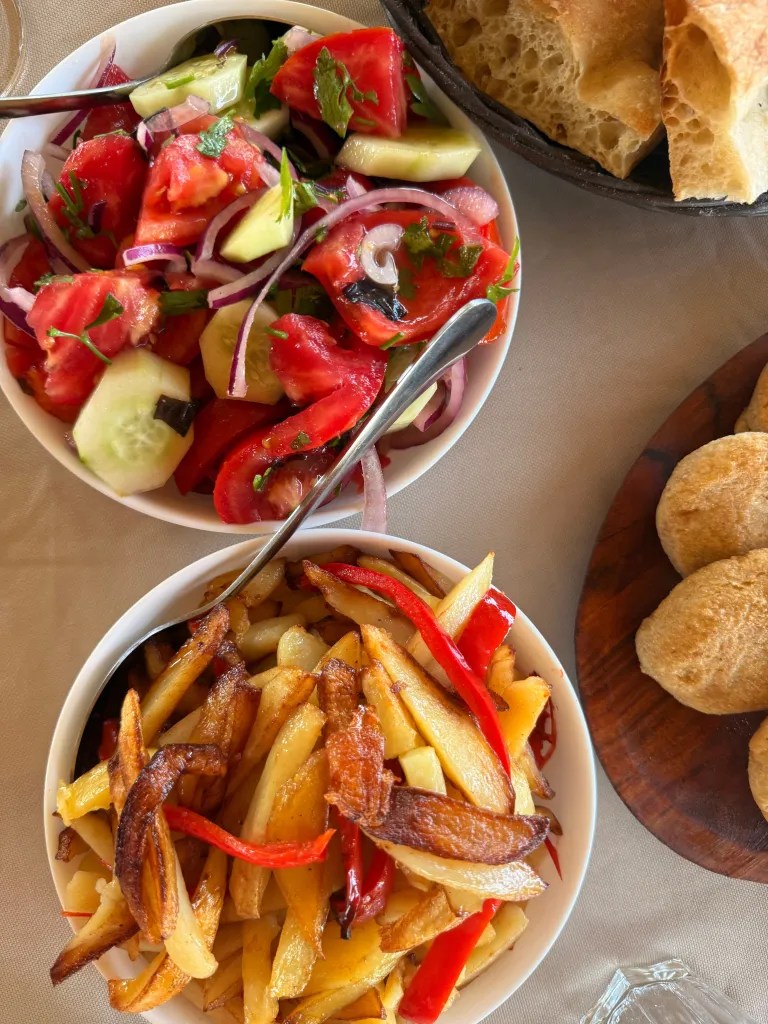
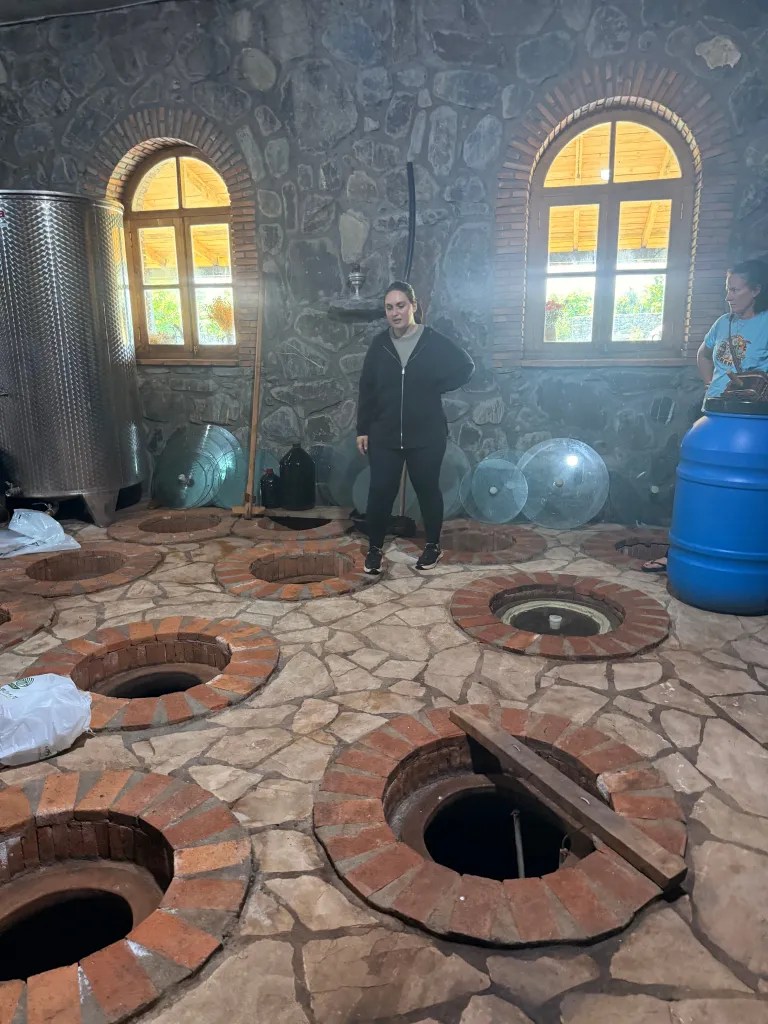
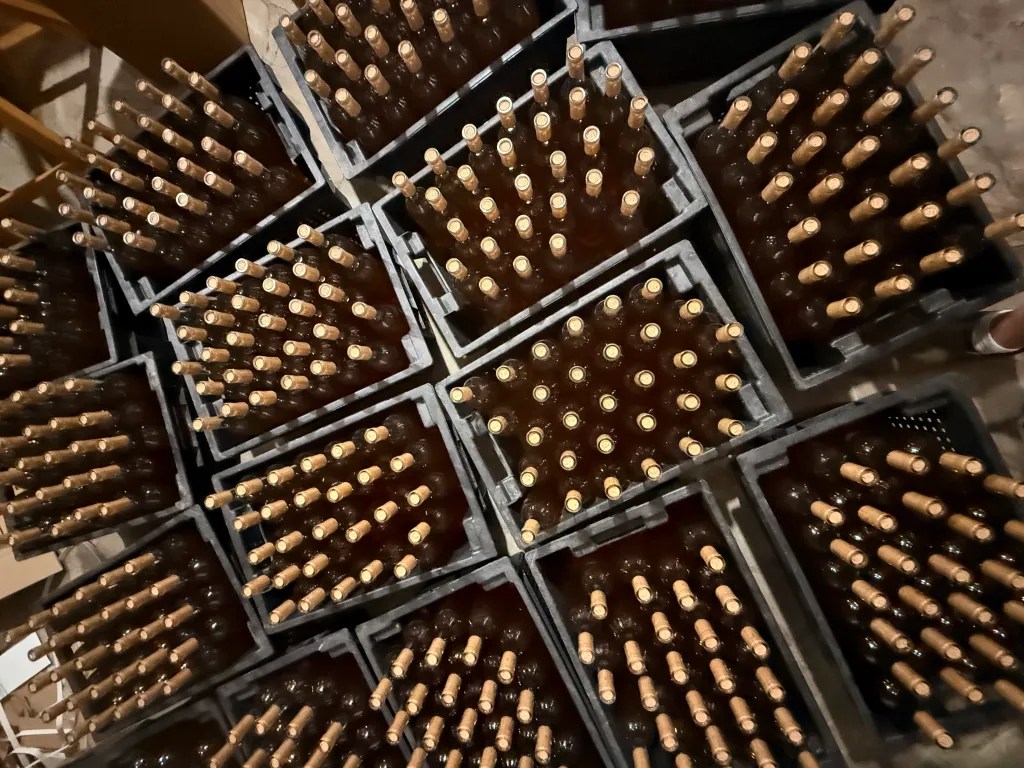
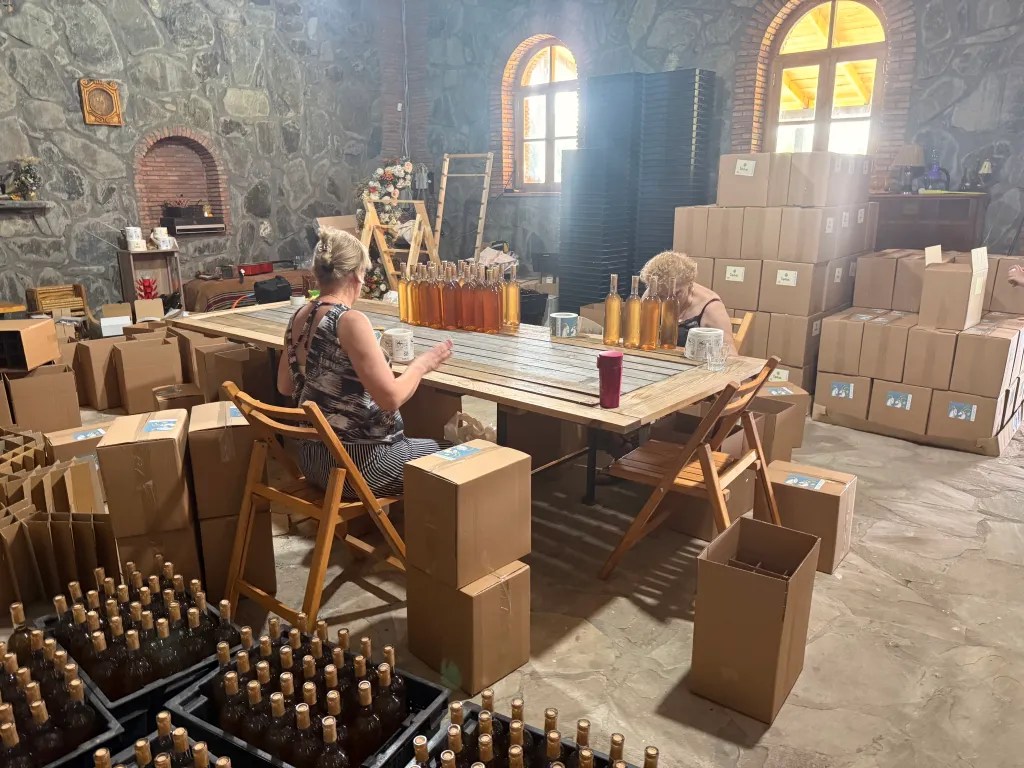
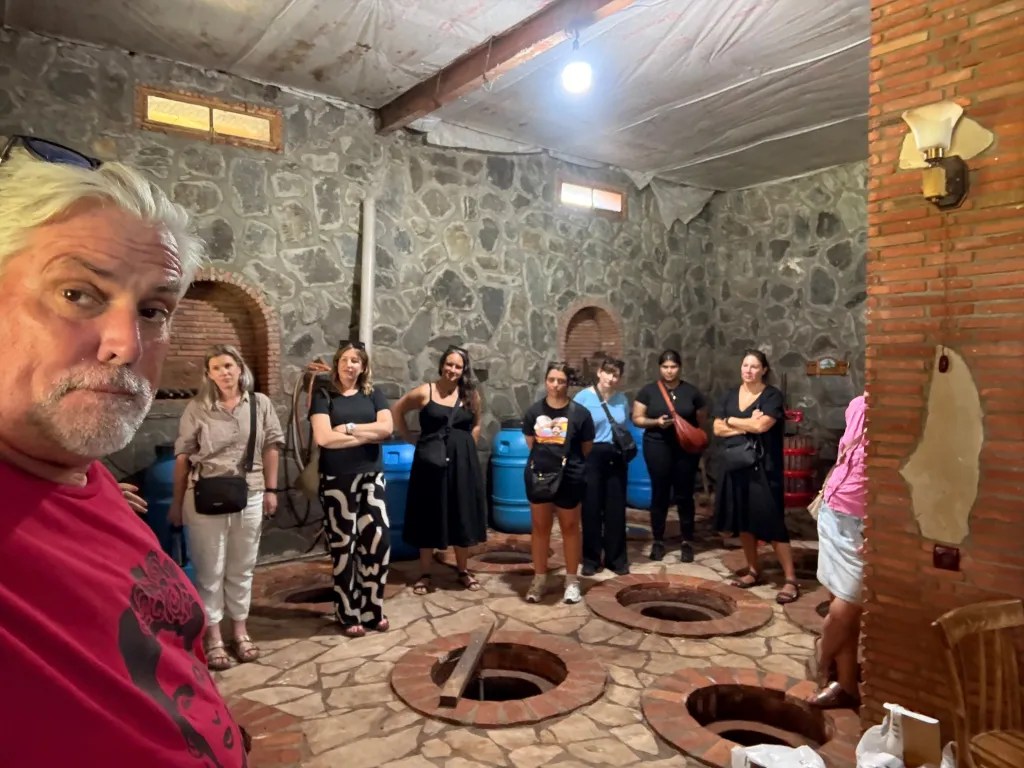
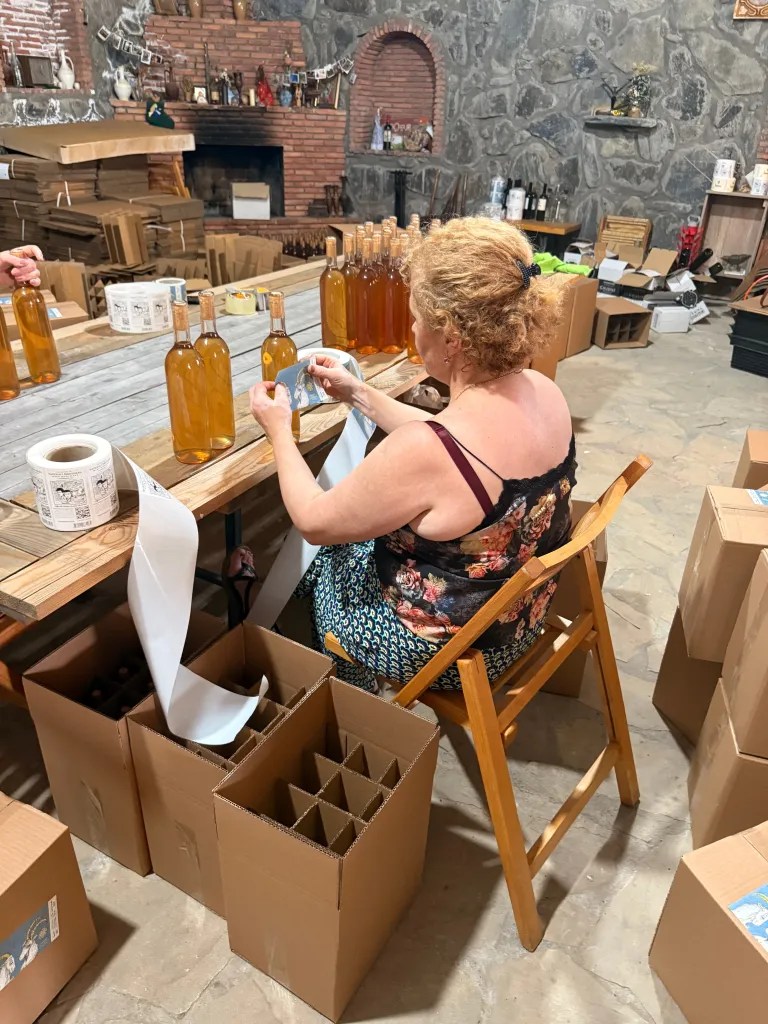
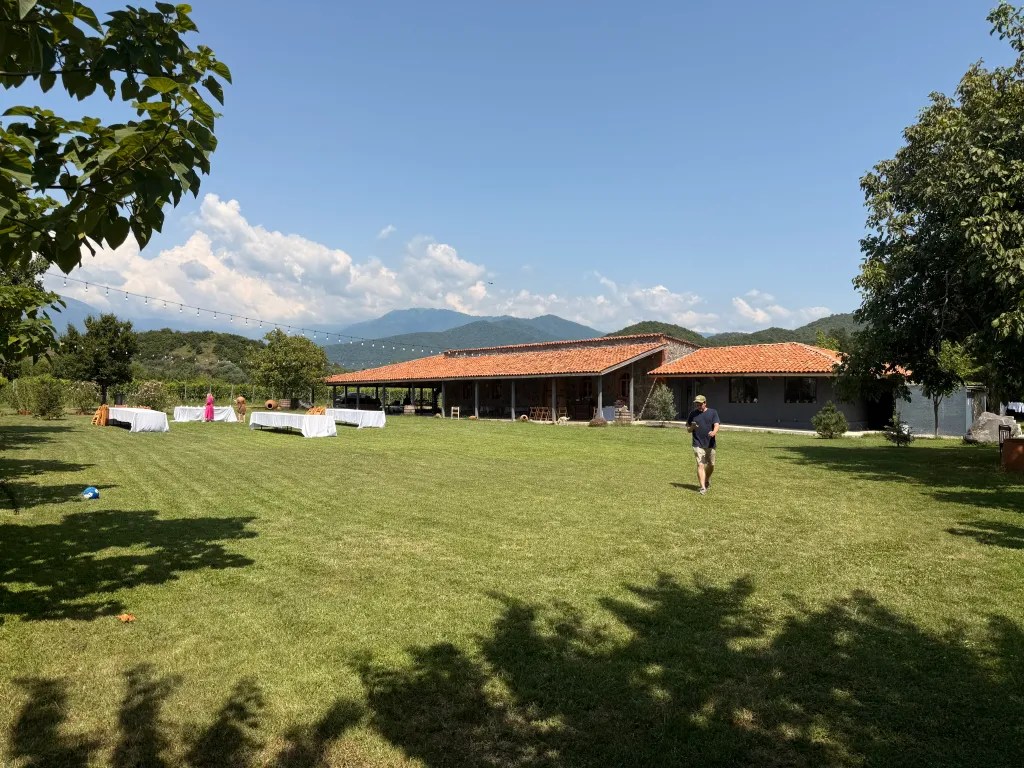
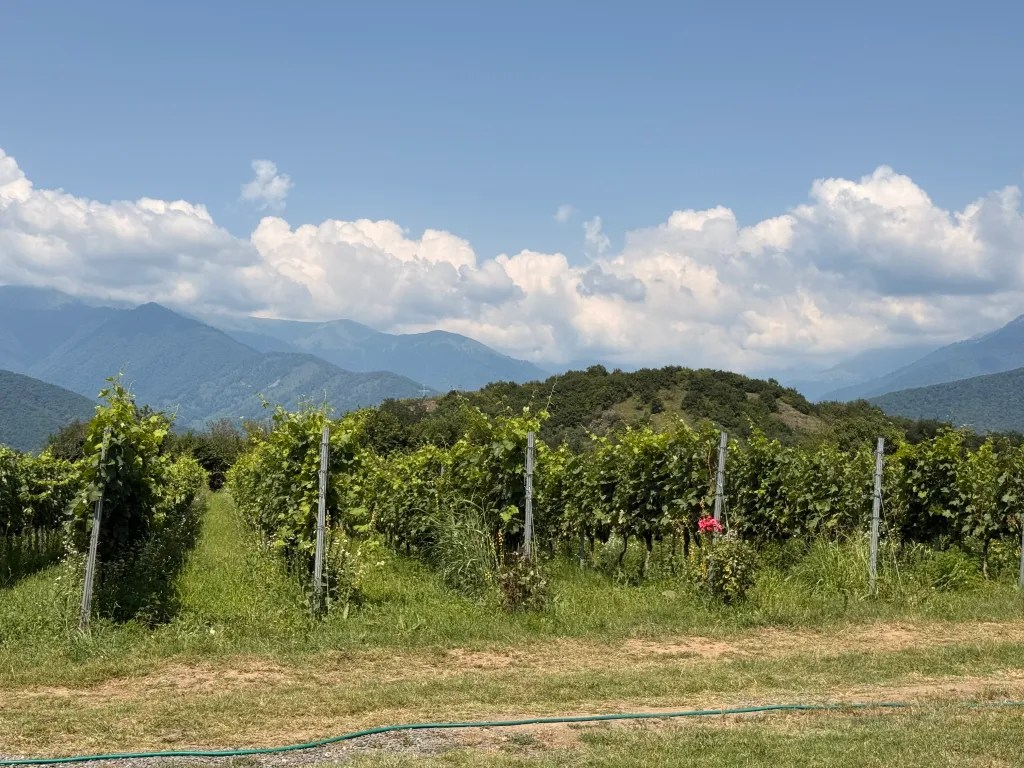
For lunch, we stopped at a winery and dined on nice, huge veranda. Afterwards, we had a brief tour of the wine-making process. Georgian wine is unique and ubiquitous. Most houses have little vineyards around them…

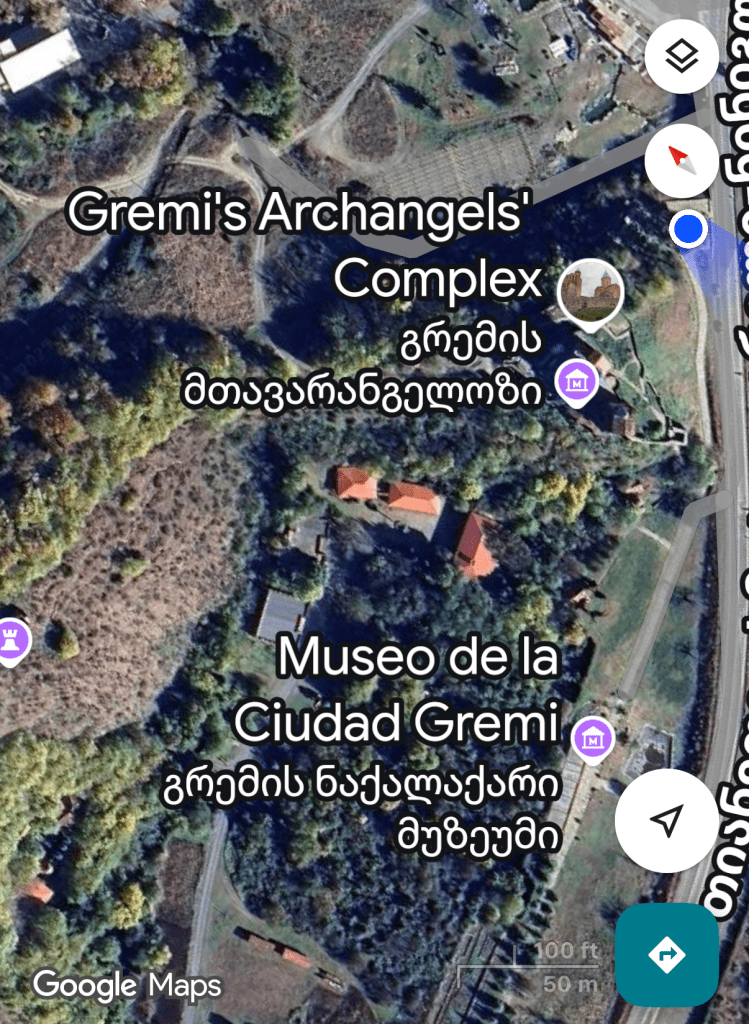
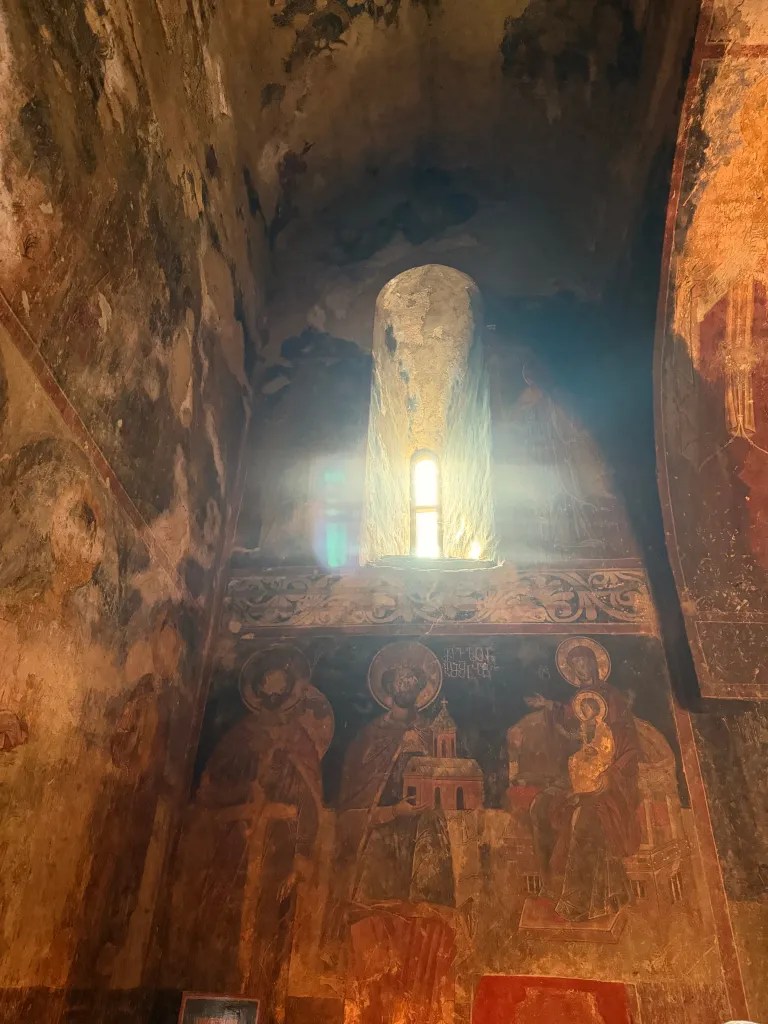
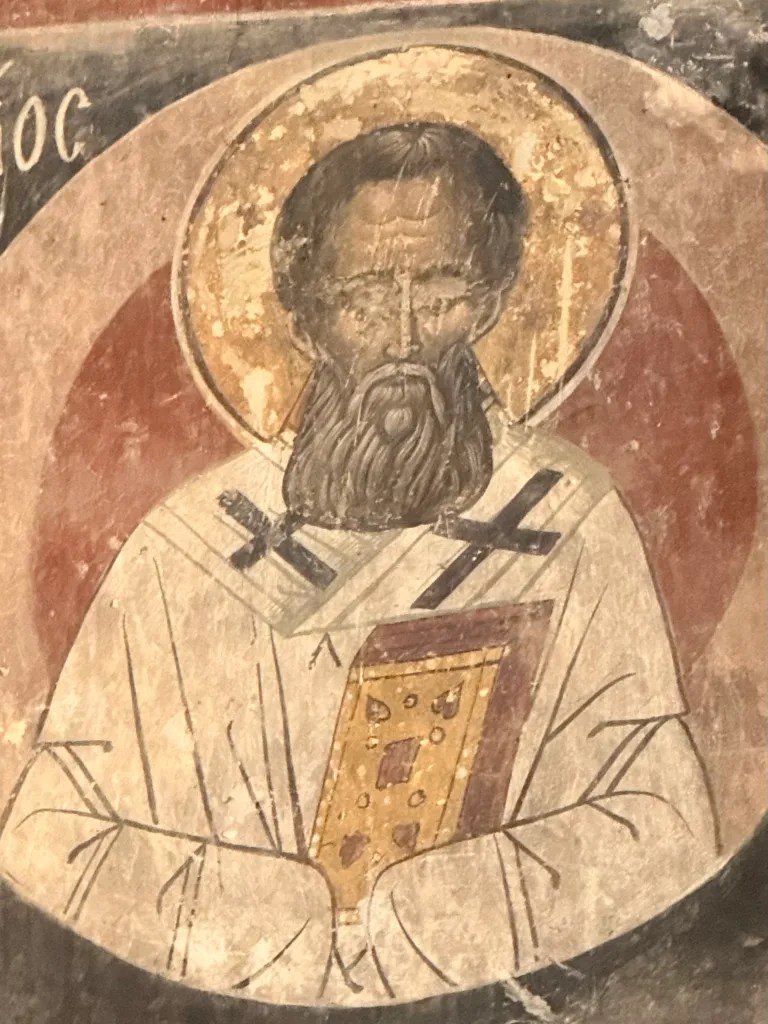
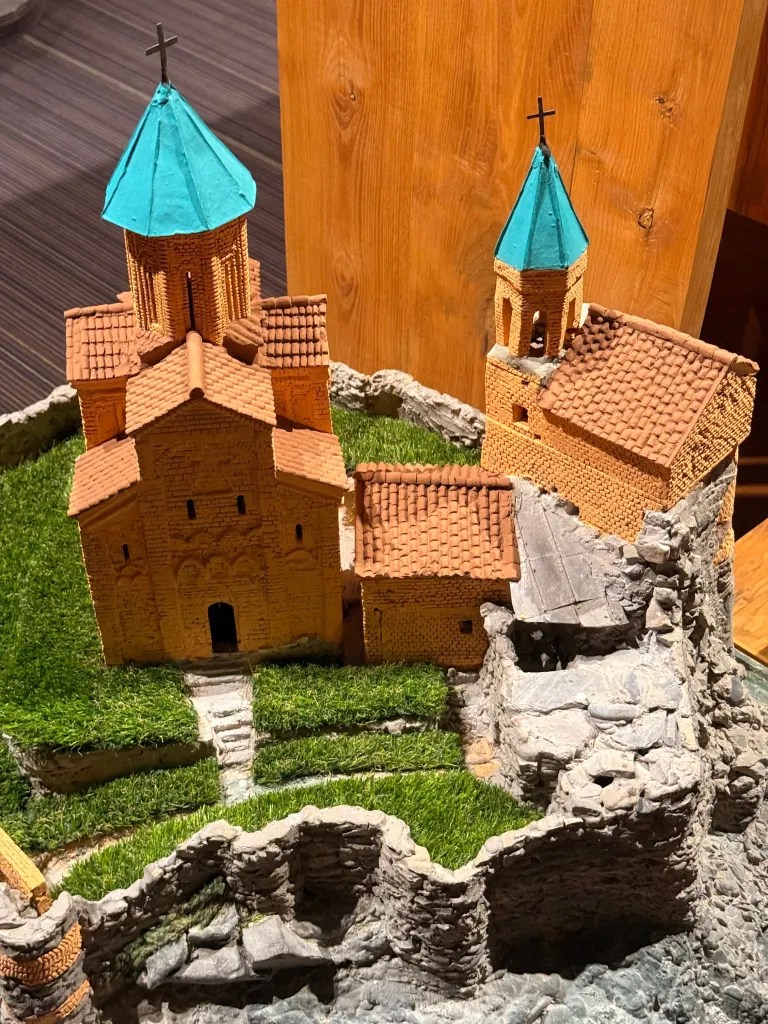
The last stop on our way to our hotel was the 16 the century Gremi Church of the Archangels. (Different stuff offered by vendors there in the parking lot.) Inside, we got to witness a baptism, but couldn’t stay for the wedding that happened next. However, I did get in some trouble for being late to the bus, having gone through the museum and up into the tower for the incredible view. The history and vistas are vast! Who is not going to do and see everything? Not I…! (Note the precious shots of religious indoctrination…)

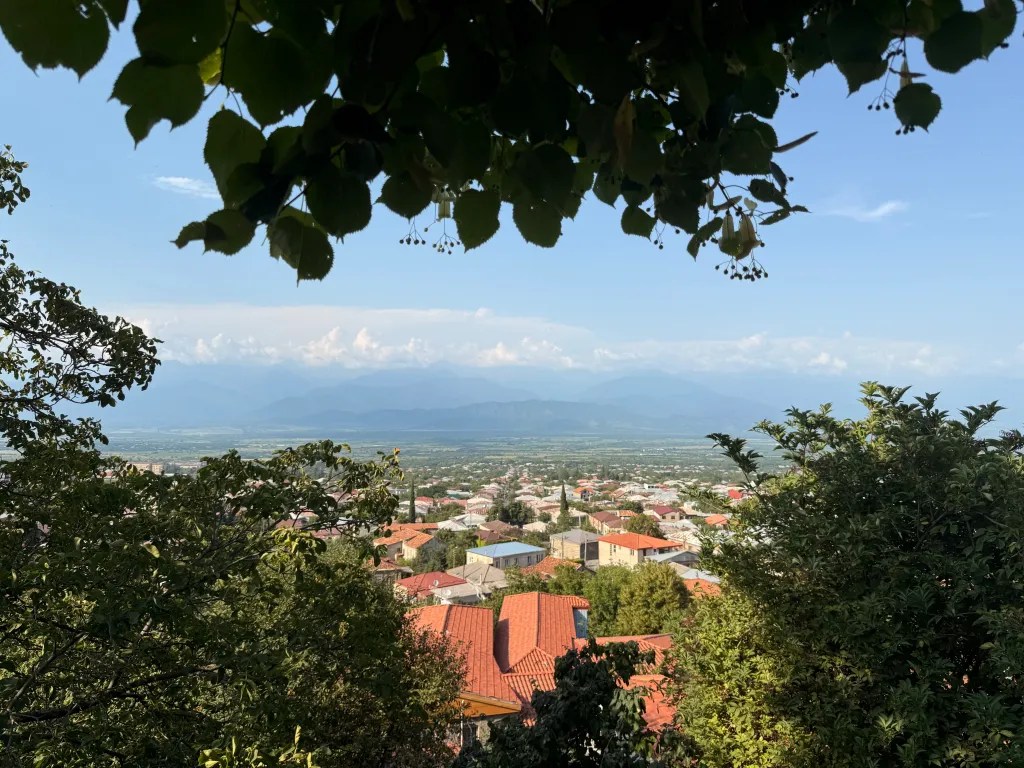
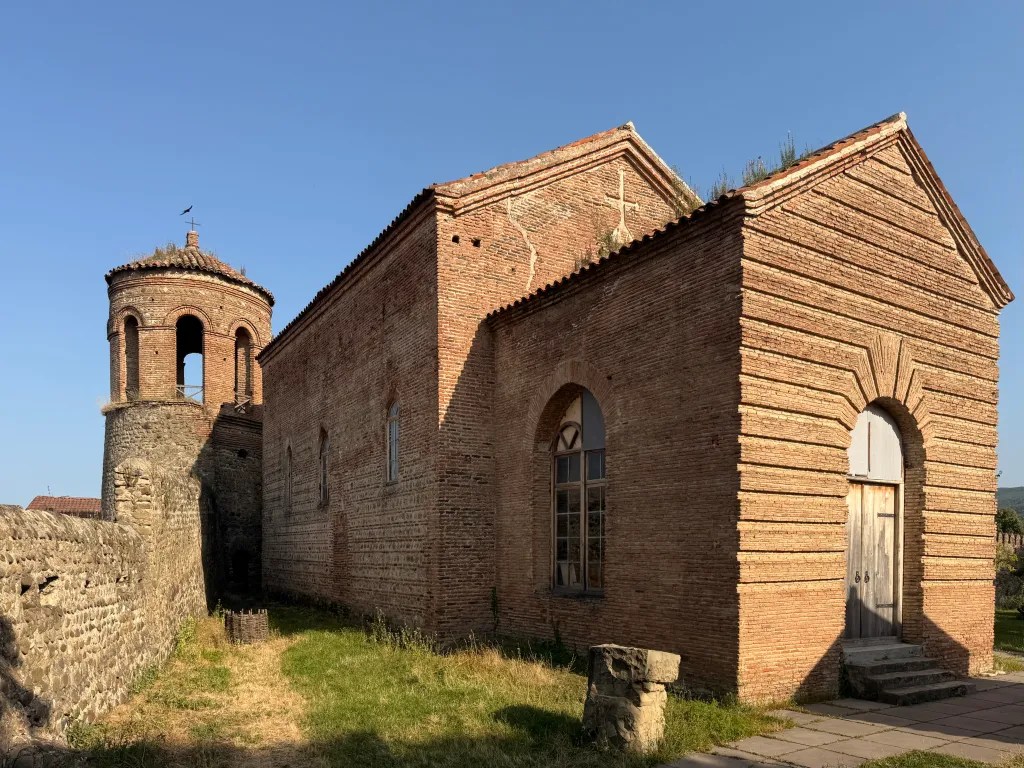
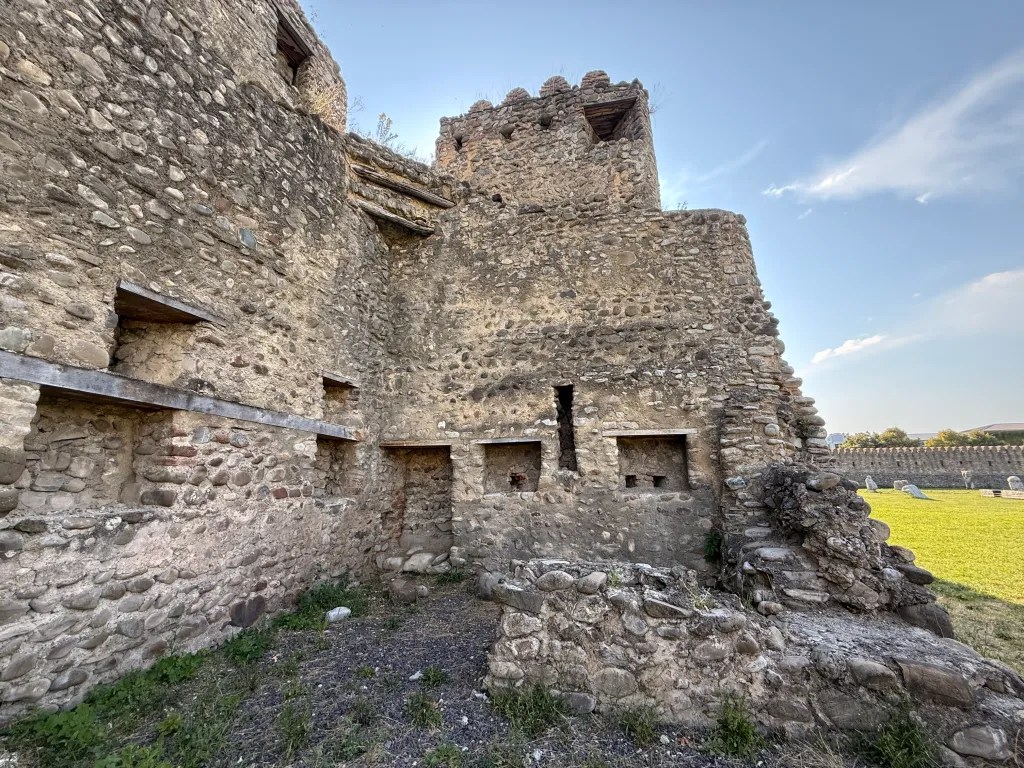
We arrived at our hotel and soon after took a walk around the town of Telavi. Only one other fellow traveler and I went to explore the fortress, palace, and museum. More than a little art – some of it quite unique. Afterwards, a couple of us had some dinner in town before retiring.

Wow! Did you really just check out that whole post? Thank you!

Today, we are off to Gudauri